


 ‘Buy now, pay later’ doesn’t feel like debt. For young people, that can be a big problem
  Google promotes ‘teacher approved’ apps for kids. Here’s what parents should know
  France to Release 10 Million Barrels of Diesel to Ease Fuel Prices
  Deere, CNH and AGCO Stocks Fall as FTC Launches Farm Equipment Probe
  Elon Musk Eyes Semiconductor Manufacturing Expansion With $15 Billion Terrafab Project
  Why have so few atrocities ever been recognised as genocide?
  Ledger Investigates Alleged $86 Million Crypto Wallet Theft
  Asian Currencies Steady as Dollar Eyes Fourth Weekly Gain
  Gold Prices Fall as Fed Signals Another Rate Hike
  How to support someone who is grieving: five research-backed strategies
  Zcash Plans Quantum-Resistant Security Upgrade for January
  Trump Secures Russian Diesel Deal as US Fuel Prices Surge
  Xiaomi Shares Surge 7.6% as SkyNomad EV Orders Hit 70,000
  Trump Calls for Zelenskyy Replacement Amid Russian Diesel Deal
  Apple Supplier Luxshare Sees Limited Impact From US Patent Probe
  Wall Street Falls as Fed Minutes Signal Another Rate Hike


 Add as a preferred source on Google
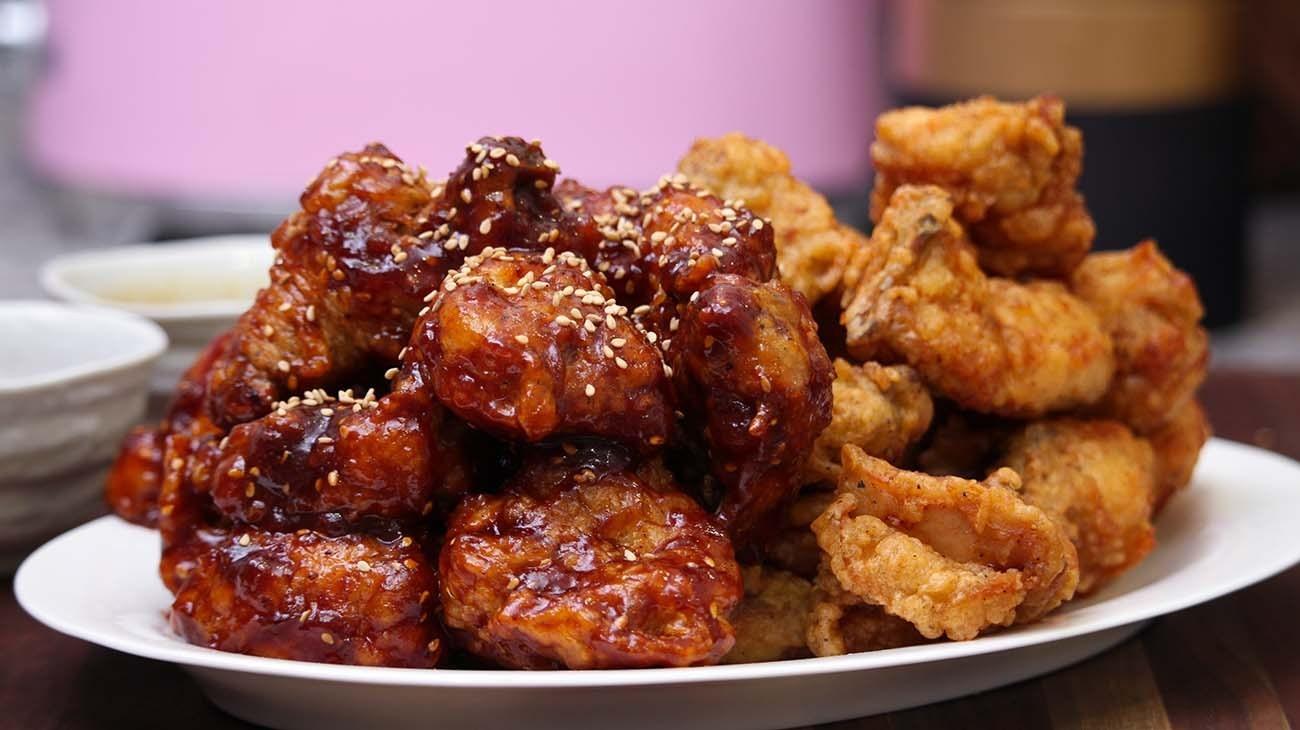
Thirty percent of 8,500 individuals from New York, Paris and 15 major cities asked about the Korean food they eat most answered Korean-style fried chicken.
In the survey conducted by the Ministry of Agriculture, Food and Rural Affairs and the Korean Food Promotion Institute, fried chicken was followed by kimchi with 27.7 percent, bibimbap with 27.2 percent, and tteokbokki with 18 percent.
The survey also revealed a high level of popularity of Korean food in Southeast Asia.
It was also found that the level of awareness about Korean food was the highest in Ho Chi Minh City, Vietnam with 83 percent, Jakarta, Indonesia with 80.8 percent, and Kuala Lumpur, Malaysia with 73.2 percent.
Rounding out the top five were Beijing, China with 74.4 percent, and Bangkok, Thailand with 68.2 percent.







