


 Asian Stocks Fall as Bond Yields Surge Ahead of Trump-Xi Summit
  Dollar Holds Near Two-Month High as Yen Approaches 160
  Oil Prices Fall on U.S.-Iran Hormuz Deal Hopes
  Gold Holds Near $4,275 as Rising Treasury Yields Fuel Fed Rate Hike Bets
  Oil Prices Ease as Iran Tensions Clash With Diplomacy Hopes
  U.S. Treasury Yields Surge as 30-Year Hits 22-Year High
  Japanese Bank Stocks Surge as Bond Yields Fuel Rate Hike Bets
  Japan Private-Sector Growth Slows as Domestic Demand Weakens
  US Comfortable With Canada Trade Standoff as Import Bans Loom
  Asian Stocks Fall as Surging Bond Yields Rattle Markets
  U.S. Dollar Hits Two-Month High as Oil, Treasury Yields Surge
  Oil Prices Jump 3% as Houthi Attack Revives Supply Fears
  European Stocks Fall as Bond Yields and Geopolitical Risks Weigh
  Asian Currencies Mixed as Dollar Holds Near Two-Month High
  US Stock Futures Fall as Treasury Yields Surge Ahead of Trump-Xi Summit
  Australia Unemployment Hits Five-Year High Despite Strong Jobs Growth
  Fed Unveils Stablecoin Rules Under GENIUS Act


 Add as a preferred source on Google
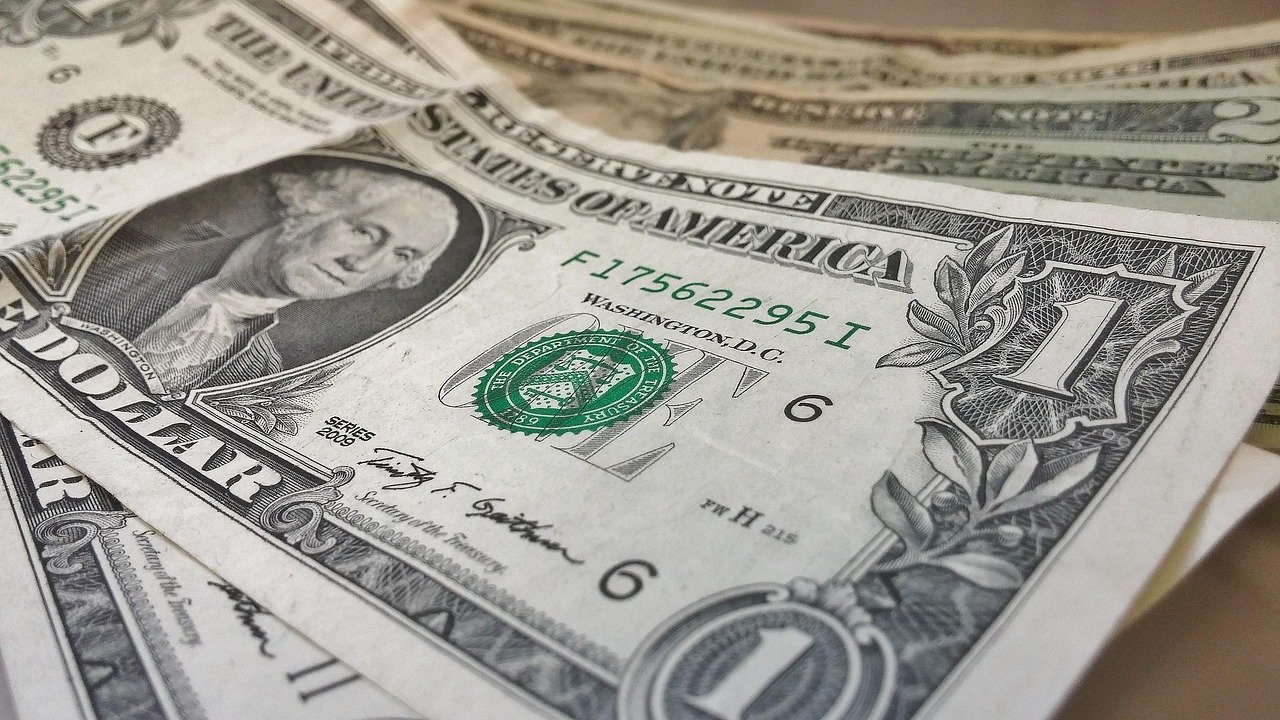
The U.S. dollar weakened for a third consecutive week on Friday, pressured by growing expectations of interest rate cuts next year after the Federal Reserve pushed back against more hawkish market assumptions. This shift in sentiment lifted major rival currencies, with the euro and British pound climbing to their highest levels since October as investors reassessed the outlook for U.S. monetary policy.
In early Asian trading, the euro held steady near $1.1741 after posting solid gains in the previous session, while the pound edged higher to around $1.3395. Both currencies are on track for a third straight weekly advance, reflecting sustained dollar softness. The greenback’s decline followed the Federal Reserve’s widely expected rate cut this week, alongside comments from Fed Chair Jerome Powell that were interpreted as less hawkish than markets had anticipated.
Market participants viewed the Fed’s messaging as reinforcing expectations that U.S. interest rates could fall further in the coming years. According to Ameriprise chief market strategist Anthony Saglimbene, the central bank’s effort to avoid unsettling investors may help support markets into year-end, even as uncertainty persists around inflation trends and labor market strength.
Traders are currently pricing in two U.S. rate cuts in 2026, a more dovish outlook than that suggested by policymakers, who foresee only one cut next year and another in 2027. Analysts at the Commonwealth Bank of Australia noted that concerns about the U.S. labor market could push the Federal Open Market Committee toward additional easing, with some forecasts calling for multiple cuts that would lower the federal funds rate into the 2.75%–3.0% range.
The U.S. dollar index slipped to around 98.34, extending its weekly decline to roughly 0.7% and leaving it down more than 9% for the year, its steepest annual drop since 2017. The Japanese yen also benefited from the softer dollar, while the Australian, New Zealand, and Swiss currencies gained modestly as global investors navigated diverging interest rate paths.







