


 RBI Uses $10 Billion Currency Swaps to Drain Excess Rupee Liquidity
  Wall Street Ends Flat as Oil, Treasury Yields and Fed Jitters Rattle Markets
  Dollar Holds Near Two-Month High as Yen Approaches 160
  Japan Private-Sector Growth Slows as Domestic Demand Weakens
  Trump, Xi Focus on Trade and AI at White House Summit
  Asian Currencies Mixed as Dollar Holds Near Two-Month High
  Mexico-US Trade Talks Delayed to October as Tariff Negotiations Continue
  Asian Stocks Fall as Surging Bond Yields Rattle Markets
  Gold Prices Fall as Treasury Yields Rise on Fed Rate Hike Bets
  U.S. Treasury Yields Surge as 30-Year Hits 22-Year High
  Fed Unveils Stablecoin Rules Under GENIUS Act
  Dollar Falls as Oil Eases, Yen Jumps on Intervention Signals
  Japanese Bank Stocks Surge as Bond Yields Fuel Rate Hike Bets
  Oil Prices Fall on U.S.-Iran Hormuz Deal Hopes
  Australia Unemployment Hits Five-Year High Despite Strong Jobs Growth


 Add as a preferred source on Google
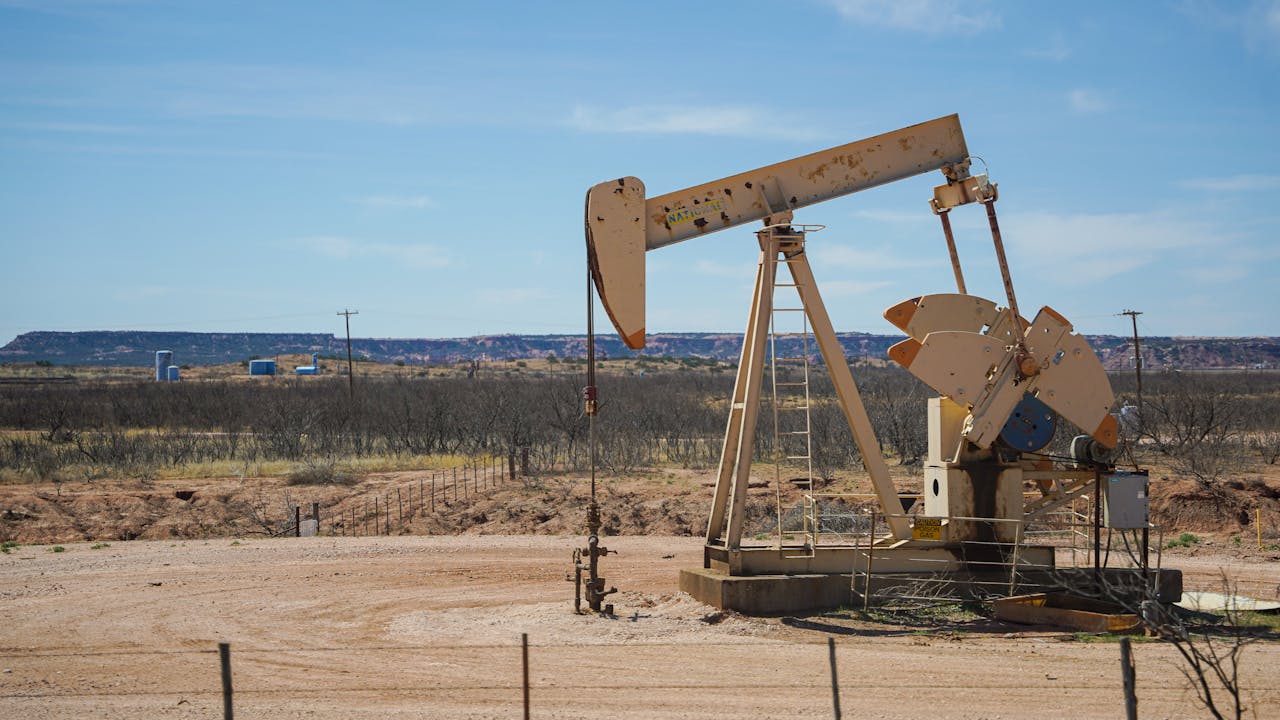
Oil prices edged higher during Asian trading on Friday, recovering some losses from the previous session as supply disruption concerns resurfaced. Crude markets were supported by reports that the United States is preparing to intercept additional tankers carrying Venezuelan oil, a move that could tighten global supply and add a risk premium to prices.
As of 20:50 ET (01:50 GMT), Brent crude futures for February delivery rose 0.5% to $61.61 per barrel, while West Texas Intermediate (WTI) crude futures gained 0.6% to $57.95 per barrel. Despite the rebound, both benchmarks remained under pressure after falling about 1.5% on Thursday, when prices touched more than a seven-week low. For the week, oil prices were still on track to post losses of over 3%.
The earlier decline was driven by a combination of easing geopolitical risk sentiment and U.S. inventory data. Markets reacted negatively to growing optimism around potential peace negotiations between Russia and Ukraine, which could eventually lead to changes in sanctions on Russian energy exports. At the same time, U.S. data showing rising gasoline and distillate inventories raised concerns about weakening fuel demand, further weighing on crude prices.
Friday’s modest recovery followed a Reuters report indicating that Washington is stepping up enforcement of sanctions on Venezuela. According to sources, U.S. authorities are preparing additional interdictions after the recent seizure of the tanker Skipper off Venezuela’s coast. The report suggested that several more sanctioned vessels have been placed on a target list, prompting shipowners to reconsider voyages linked to Venezuelan crude. This tougher stance has heightened fears of disruptions to already constrained sanctioned oil flows, lending short-term support to prices.
However, gains in oil markets remained capped as investors continued to monitor diplomatic developments in Eastern Europe. Any meaningful progress toward a negotiated settlement between Russia and Ukraine could reshape global energy supply expectations and influence future oil price trends. This ongoing uncertainty has left crude markets volatile and directionally constrained, balancing supply disruption risks against the possibility of geopolitical de-escalation.







