


 Australia Unemployment Hits Five-Year High Despite Strong Jobs Growth
  Asian Currencies Mixed as Dollar Holds Near Two-Month High
  Japanese Bank Stocks Surge as Bond Yields Fuel Rate Hike Bets
  European Stocks Fall as Bond Yields and Geopolitical Risks Weigh
  Asian Stocks Fall as Surging Bond Yields Rattle Markets
  Trump, Xi Focus on Trade and AI at White House Summit
  U.S. 10-Year Treasury Yield Hits 2007 High as Fed Rate Hike Bets Rise
  Japan Private-Sector Growth Slows as Domestic Demand Weakens
  Gold Holds Near $4,275 as Rising Treasury Yields Fuel Fed Rate Hike Bets
  Fed Unveils Stablecoin Rules Under GENIUS Act
  China’s ‘Lipstick King’ Says AI Won’t Replace Livestream Hosts
  Gold Prices Fall as Treasury Yields Rise on Fed Rate Hike Bets
  Dollar Holds Near Two-Month High as Yen Approaches 160
  U.S. Dollar Hits Two-Month High as Oil, Treasury Yields Surge
  RBI Uses $10 Billion Currency Swaps to Drain Excess Rupee Liquidity
  Oil Prices Ease as Iran Tensions Clash With Diplomacy Hopes
  Mexico-US Trade Talks Delayed to October as Tariff Negotiations Continue


 Add as a preferred source on Google
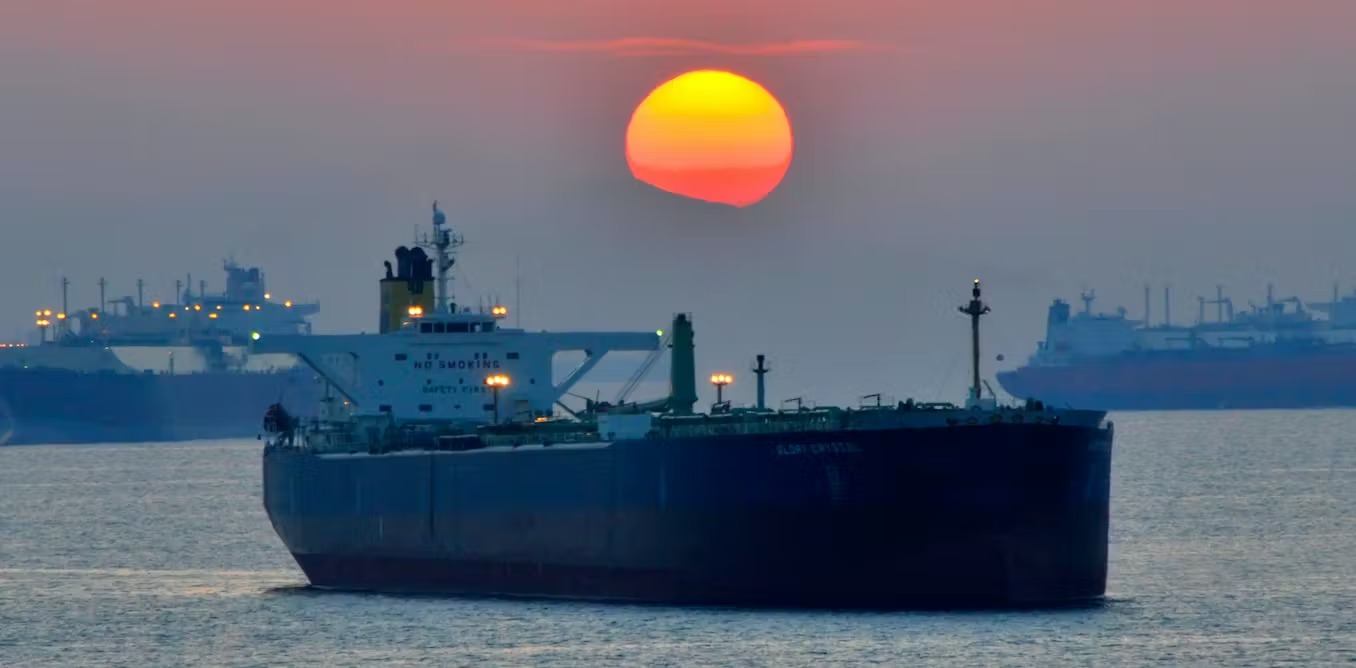
The ongoing U.S.-Israeli conflict with Iran has triggered an unprecedented global energy crisis, marked by the largest daily oil supply disruption in history. The closure of the Strait of Hormuz has significantly reduced oil output, with losses exceeding 12 million barrels per day—equivalent to roughly 11.5% of global demand. This масштаб surpasses previous disruptions such as the 1973 Arab oil embargo, the Iranian Revolution, and the 1991 Gulf War, making it a defining moment for global energy markets .
Unlike earlier crises that primarily affected crude oil, the current disruption is broader in scope. It has impacted natural gas, refined fuels, and even fertiliser supply chains, highlighting vulnerabilities in today’s interconnected global economy. The Middle East’s expanded role in supplying refined fuels has intensified the crisis, causing shortages of diesel and jet fuel across key regions, particularly in Asia and Africa.
The International Energy Agency has labeled this situation as the most severe energy crisis to date, especially when combined with lingering effects from the European gas shortage following Russia’s 2022 invasion of Ukraine. In response, the IEA has released a record 400 million barrels from strategic reserves in an effort to stabilize prices and ease supply constraints.
Although the current disruption has lasted just over 50 days, its cumulative impact is already estimated at more than 600 million barrels lost. Analysts warn that even if tensions ease, supply recovery could take months or longer, particularly in the natural gas sector. Compared to historical events, the total losses may eventually rival or exceed those of past crises.
This evolving energy shock underscores the fragility of global supply systems and the growing importance of energy security. As markets adjust, governments and industries are likely to reassess strategies to mitigate future disruptions and ensure long-term stability.







