


 Fed’s Hammack Says Bond Yield Surge Is Not Driven by Inflation Fears
  Gold Prices Fall as Treasury Yields Rise on Fed Rate Hike Bets
  Asian Currencies Mixed as Dollar Holds Near Two-Month High
  Japan Private-Sector Growth Slows as Domestic Demand Weakens
  RBI Uses $10 Billion Currency Swaps to Drain Excess Rupee Liquidity
  Fed Unveils Stablecoin Rules Under GENIUS Act
  Fed Unveils Stablecoin Rules Under GENIUS Act
  Oil Prices Ease as Iran Tensions Clash With Diplomacy Hopes
  Trump, Xi Focus on Trade and AI at White House Summit
  Dollar Falls as Oil Eases, Yen Jumps on Intervention Signals
  European Stocks Fall as Bond Yields and Geopolitical Risks Weigh
  China’s ‘Lipstick King’ Says AI Won’t Replace Livestream Hosts
  Canadian Dollar Faces Pressure as Fed-BoC Policy Gap Widens
  Soybean Futures Slip as Traders Await Trump-Xi Trade Signals
  Wall Street Ends Flat as Oil, Treasury Yields and Fed Jitters Rattle Markets
  U.S. Treasury Yields Surge as 30-Year Hits 22-Year High


 Add as a preferred source on Google
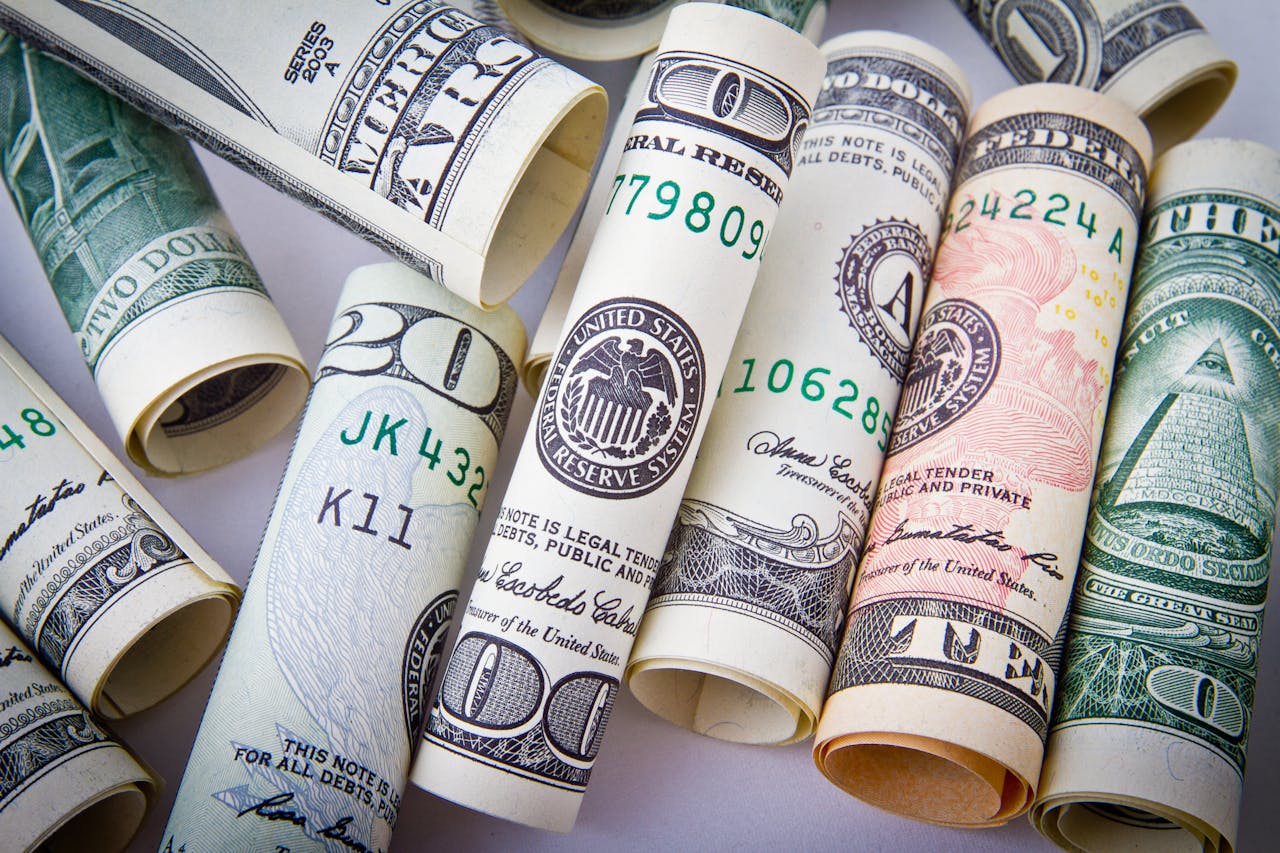
The U.S. dollar slipped on Thursday as thin holiday trading and growing expectations of U.S. rate cuts in the coming year weighed on the currency. Investors are increasingly pricing in a series of Federal Reserve rate reductions through 2026, prompting traders to reposition across major forex pairs.
The yen strengthened about 0.4% to 155.87 per dollar, while the euro edged above $1.16 in early trading. Meanwhile, the New Zealand dollar surged to a three-week high of $0.5714 after the Reserve Bank of New Zealand delivered a surprise message despite cutting rates. The central bank signaled that a rate hold had been on the table and suggested the easing cycle may be over, leading markets to price in a potential rate hike by December next year. Strong domestic data — including rising Q3 retail sales and the highest business confidence reading in a year — reinforced bullish sentiment, with analysts noting that “Kiwi green shoots” are multiplying.
The Australian dollar also gained momentum following hotter-than-expected inflation figures, which strengthened expectations that Australia’s rate-cut cycle has likely ended. With Australia’s 10-year yield at 4.48%, the highest among G10 nations, analysts say the Aussie dollar still appears undervalued. At $0.6526, it sits near the midpoint of an 18-month trading channel, though recent moves show the currency tracking China’s yuan more closely than domestic rates. The yuan held steady after China’s central bank maintained firm guidance via its daily fixing.
Sterling climbed to $1.3256, reaching its strongest level since late October, and is heading for its biggest weekly gain since August after the U.K. budget tempered concerns over national finances.
The U.S. dollar index hovered at 99.433, extending a retreat from a six-month high. Analysts, including Spectra Markets’ Brent Donnelly, note that sentiment for the dollar may remain pressured heading into 2026, especially if policymakers favor rate-cutting strategies.







