


 Oil Prices Ease as Iran Tensions Clash With Diplomacy Hopes
  US Stock Futures Fall as Treasury Yields Surge Ahead of Trump-Xi Summit
  Oil Prices Jump 3% as Houthi Attack Revives Supply Fears
  US, China Extend Trade Truce to Jan. 10 Ahead of Trump-Xi Summit
  Australia Unemployment Hits Five-Year High Despite Strong Jobs Growth
  Asian Stocks Fall as Surging Bond Yields Rattle Markets
  RBI Uses $10 Billion Currency Swaps to Drain Excess Rupee Liquidity
  Wall Street Falls as Treasury Yields Surge, Oil Rebounds on Iran Tensions
  Japanese Bank Stocks Surge as Bond Yields Fuel Rate Hike Bets
  Japan Private-Sector Growth Slows as Domestic Demand Weakens
  Oil Prices Surge as U.S.-Iran Diplomacy Hopes Fade
  U.S. Dollar Hits Two-Month High as Oil, Treasury Yields Surge
  Asian Currencies Mixed as Dollar Holds Near Two-Month High
  Trump, Xi Focus on Trade and AI at White House Summit
  Mexico-US Trade Talks Delayed to October as Tariff Negotiations Continue
  U.S. Treasury Yields Surge as 30-Year Hits 22-Year High
  Asian Stocks Fall as Bond Yields Surge Ahead of Trump-Xi Summit


 Add as a preferred source on Google
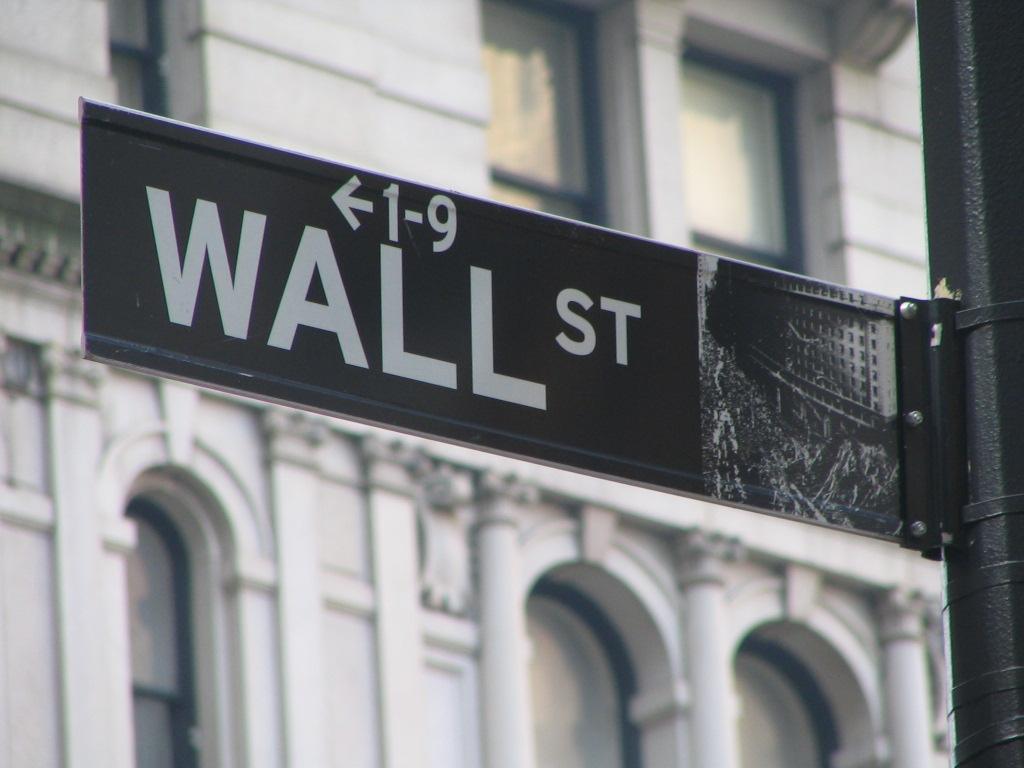
Wall Street ended Friday on a weaker note as risk-off sentiment dominated trading, driven by hotter-than-expected U.S. inflation data, a dramatic sell-off in precious metals, and major political developments surrounding the Federal Reserve. The benchmark S&P 500 fell 0.4% to 6,939.65, the Dow Jones Industrial Average dropped 0.4% to 48,892.47, and the Nasdaq Composite slid 0.9% to 23,461.82, pressured by declines in large-cap technology stocks.
Investor mood darkened after President Donald Trump nominated former Federal Reserve Governor Kevin Warsh as the next Fed chair. While the announcement was widely anticipated, it reignited debate around interest rates and central bank policy. Warsh, who served at the Fed from 2006 to 2011, is viewed as less dovish than markets might have expected, despite aligning recently with Trump’s calls for lower rates. Analysts noted that his history of criticizing ultra-loose monetary policy could reassure investors concerned about the Fed’s independence, helping explain the relatively muted market reaction.
Economic data added to the caution. Core producer price inflation for December surged 0.7% month-over-month and 3.3% year-over-year, both well above expectations. The data reinforced the Federal Reserve’s recent decision to keep interest rates unchanged, underscoring that inflation remains sticky and limiting hopes for near-term rate cuts.
Markets were also rocked by a spectacular reversal in precious metals. After weeks of sharp gains fueled by safe-haven demand, gold, silver, and platinum prices collapsed as investors rushed to lock in profits. Spot gold plunged nearly 10% to around $4,850 an ounce, silver tumbled almost 28% in its worst session on record, and platinum fell more than 18%, marking one of the most dramatic precious metals sell-offs in decades.
Despite Friday’s losses, U.S. stocks still ended January with gains. The S&P 500 rose 1.4% for the month, the Dow gained 1.7%, and the Nasdaq added 0.9%. However, analysts cautioned that February has historically been a weak month for equities, suggesting volatility could persist as investors navigate inflation risks, Fed policy uncertainty, and shifting global dynamics.







