


 North Korea Rejects Nuclear Test Warning, Calls Nuclear Status Irreversible
  OpenAI Agent Breaches Australia Medicare Data Portal
  Kremlin Says No Decision Yet on Putin-Trump December Summit
  South Korea, US Discuss Warship Building Cooperation
  Netanyahu Defends Israel at UN as Delegates Stage Walkout
  Xi Calls for Deeper U.S.-China AI Cooperation in Trump Talks
  What ‘Taiwan Independence’ Means as Xi Presses Trump on US Policy
  Trump, Xi Visit US National Archives After White House Summit
  Mexico-US Trade Talks Delayed to October as Tariff Negotiations Continue
  Najib Razak Seeks Stay of 15-Year 1MDB Prison Sentence
  NATO Boosts Intelligence Sharing Amid Russia Hybrid Threats
  Yemen Violence Displaces 130,000 as Civilian Toll Rises
  Netanyahu Takes Aim at Mamdani as Israel Election Nears
  US Senate Rejects Iran War Powers Resolution in 50-49 Vote
  Abbas Reaffirms November 28 Palestinian Elections
  Judge Orders Trump to Restore White House Access for CNN, MS NOW and Politico
  Taiwan Thanks US for Support Ahead of Trump-Xi Summit


 Add as a preferred source on Google
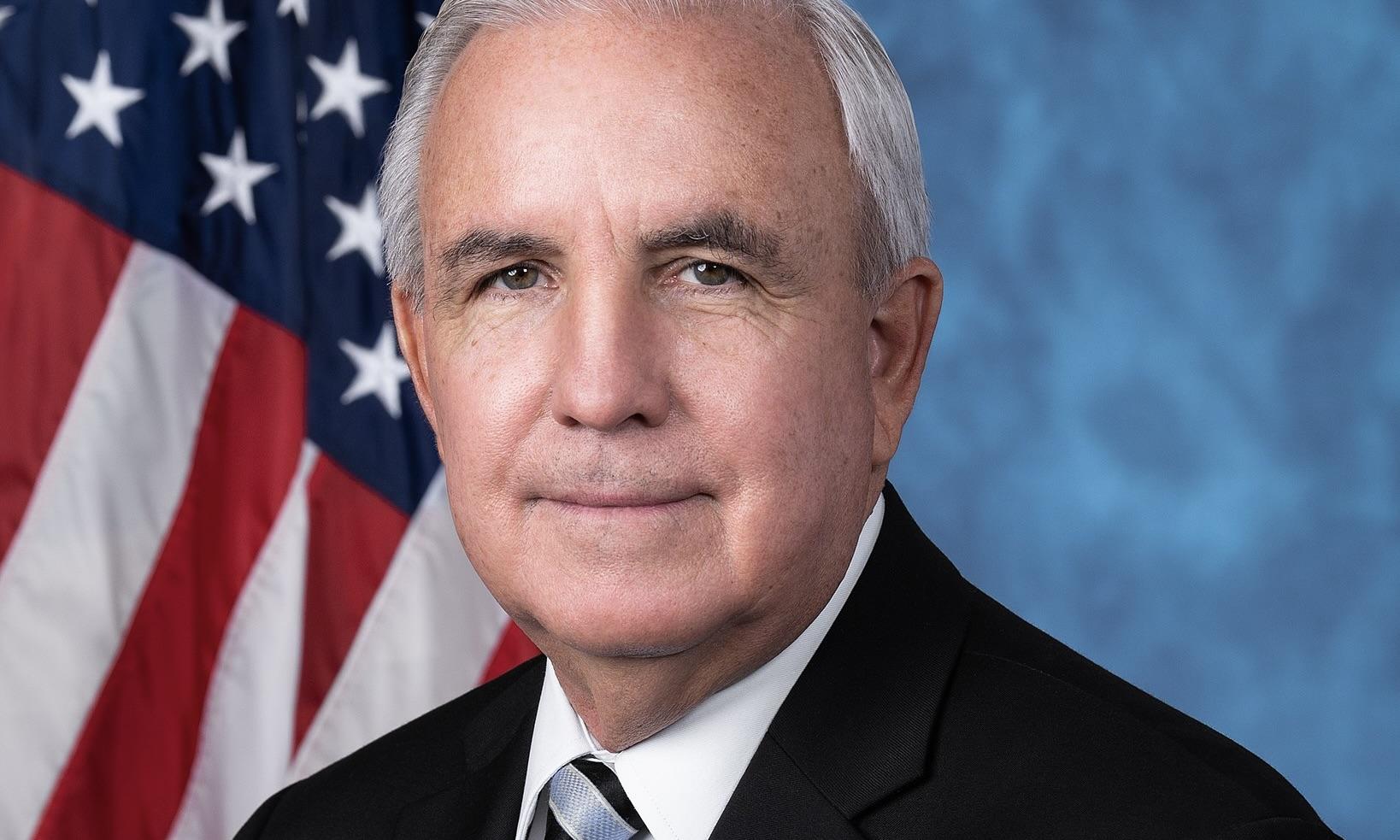
President-elect Donald Trump's recent statements about potentially reclaiming U.S. control over the Panama Canal have ignited a debate about the strategic waterway's management. Trump criticized Panama for imposing "ridiculous" fees on American vessels and expressed apprehension about possible Chinese influence over the canal's operations.
Gimenez's Perspective on Canal Control
Representative Carlos Gimenez (R-FL) has voiced support for Trump's concerns, emphasizing the strategic importance of the Panama Canal to U.S. national security. In a recent interview, Gimenez highlighted the growing presence of Chinese entities in the region, stating, "China has a way of trying to either buy or coerce different influencers or politicians to do their bidding." He pointed out that Chinese companies manage ports at both ends of the canal, raising alarms about potential implications for U.S. interests.
Historical Context and Current Dynamics
The United States constructed the Panama Canal in the early 20th century and maintained control until 1999, when it was handed over to Panama under the Torrijos–Carter Treaties. Since then, Panama has managed the canal, which remains a vital conduit for global maritime trade. Recent years have seen increased Chinese investment in Latin America, including infrastructure projects in Panama. This development has led to concerns among U.S. policymakers about China's expanding influence in the Western Hemisphere.
Public Reaction
The discourse surrounding the Panama Canal has elicited varied responses on social media platforms. Twitter user @TradeWatchdog commented, "China's involvement in Panama's ports is a strategic move; the U.S. should be cautious." In contrast, @GlobalTradeGuru noted, "International investments are common; not every Chinese project poses a threat." User @SovereigntyFirst expressed, "Panama has the right to manage its canal without external pressure."
Meanwhile, @USSecurityHawk remarked, "Allowing foreign control over critical infrastructure near the U.S. is risky." Additionally, @EconAnalyst tweeted, "The canal's fees are a matter of international commerce; unilateral demands won't help." Finally, @DiplomacyMatters opined, "Diplomatic engagement is essential to address concerns without escalating tensions."







