


 US Senate Rejects Iran War Powers Resolution in 50-49 Vote
  Trump, Xi Visit US National Archives After White House Summit
  Najib Razak Seeks Stay of 15-Year 1MDB Prison Sentence
  Yemen Violence Displaces 130,000 as Civilian Toll Rises
  Abbas Reaffirms November 28 Palestinian Elections
  Xi Calls for Deeper U.S.-China AI Cooperation in Trump Talks
  North Korea Rejects Nuclear Test Warning, Calls Nuclear Status Irreversible
  EU Defence Build-Up Too Slow for 2030 Russia Readiness Goal
  Saudi Arabia, Turkey and Pakistan Plan Urgent Defence Talks Over Houthi Attacks
  US Backs Musk in Fight Against EU’s €120 Million X Fine
  Mexico-US Trade Talks Delayed to October as Tariff Negotiations Continue
  Netanyahu Takes Aim at Mamdani as Israel Election Nears
  North Korea Warns South Korea Over US-Led Defense Role
  Ukrainian Drone Attacks Hit Russian Regions, Injuring at Least 12
  Pezeshkian Says US Must Choose When Iran War Ends
  Netanyahu Defends Israel at UN as Delegates Stage Walkout
  Trump Asks Supreme Court to Restore Third-Country Deportations


 Add as a preferred source on Google
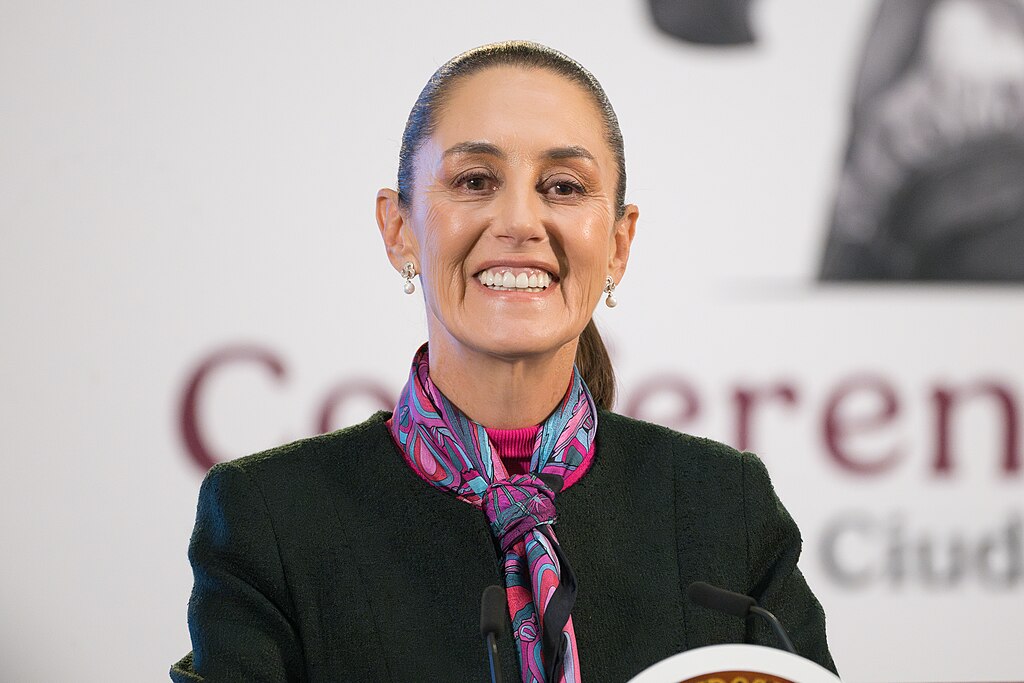
Mexican President Claudia Sheinbaum has refuted claims that U.S. President-elect Donald Trump proposed military intervention in Mexico to combat drug cartels. Sheinbaum clarified that while Trump has expressed intentions to designate Mexican cartels as terrorist organizations, he did not suggest any form of intervention during their discussions.
Clarifying Misconceptions
In a recent statement, Sheinbaum addressed the spread of misinformation regarding U.S. intentions toward Mexico's internal security matters. She emphasized that the narrative suggesting Trump proposed intervention is unfounded and constitutes "fake news." Sheinbaum reiterated Mexico's commitment to maintaining its sovereignty and stated that any collaboration with the United States would be based on mutual respect and non-intervention.
Focus on Bilateral Cooperation
Sheinbaum highlighted plans to enhance collaboration with the United States in key areas such as migration, security, and trade. She underscored the importance of addressing shared challenges through joint efforts, particularly in managing migration flows, combating organized crime, and strengthening economic ties. The President expressed optimism that through constructive dialogue, both nations can develop effective strategies that respect each country's sovereignty while promoting regional stability.
Public Reaction
The discourse surrounding U.S.-Mexico relations has elicited varied responses on social media platforms. Twitter user @BorderObserver commented, "It's crucial for both nations to work together without overstepping boundaries." In contrast, @SovereigntyGuard noted, "Mexico must remain vigilant against any form of foreign intervention." User @TradeAdvocate expressed, "Strengthening trade relations will benefit both economies; collaboration is key."
Meanwhile, @MigrationMatters remarked, "Addressing migration requires a humane and coordinated approach between the U.S. and Mexico." Additionally, @SecurityWatch tweeted, "Joint security efforts can curb organized crime, but must respect national sovereignty." Finally, @PolicyAnalyst opined, "Diplomatic engagement based on mutual respect will lead to sustainable solutions for both countries."







