


 Amazon Shares Fall as FTC Plans Ad Pricing Lawsuit
  Venezuela Nears Deal to Move $4 Billion in Gold to New York Fed
  Yen Sinks as BOJ Rate Hike Fails to Impress Markets
  Trump Threatens EU Tariffs Over Canada Membership Proposal
  Judge Blocks Trump Rule Limiting Foreign Student Visas
  Israeli Strikes Across Gaza Leave at Least Three Dead
  Mexico Pushes for US Trade Deal Before Midterms
  East Germany Narrows Economic Gap With West but Wealth Divide Persists
  Maduro Seeks Dismissal of US Drug Trafficking Charges
  ICE Agent Arrested in Minneapolis Over Venezuelan Man Shooting
  Synthetic data could ease people’s concerns about privacy breaches. But who gets to create it?
  US Judge Dismisses Imran Ahmed Deportation Lawsuit
  Bolivia Approves $1.9 Billion IMF Financing Deal
  Yemen Fighting Threatens Red Sea Oil Routes
  European Stocks Rally After Fed Hike, Iran Peace Hopes
  LVMH-Hermès Dispute Deepens Over Secret 2002 Share Deal
  Trump Administration Removes Confederate Memorial Criticism From Arlington Website


 Add as a preferred source on Google
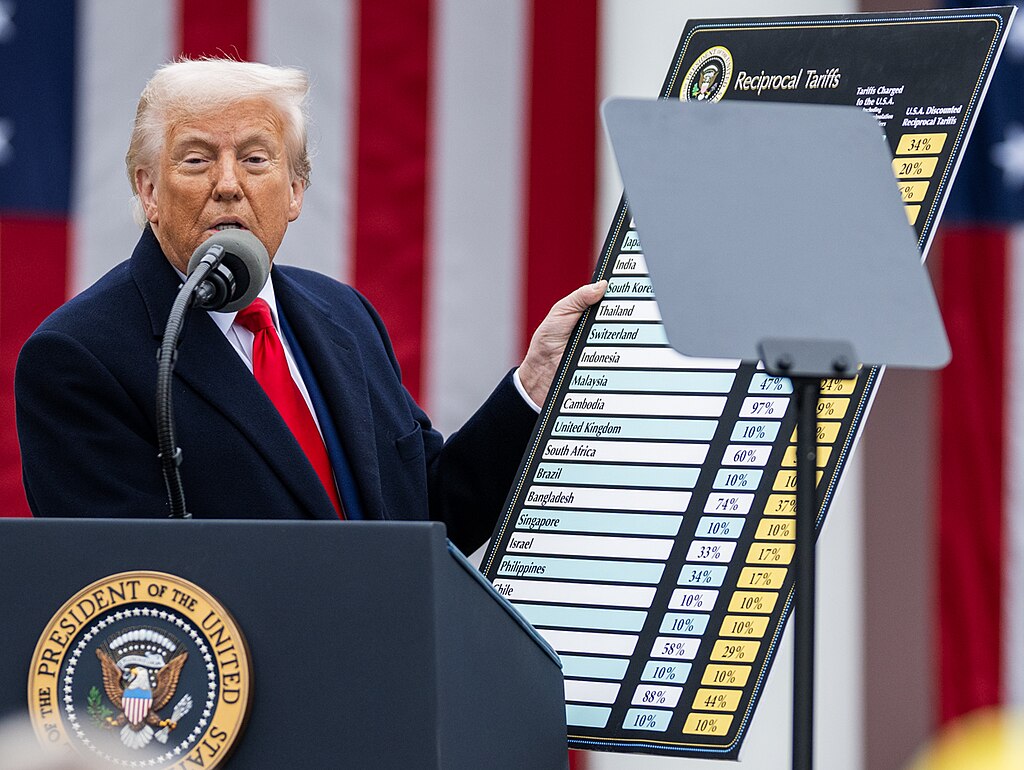
A coalition of 25 Democratic-led U.S. states has filed a lawsuit challenging President Donald Trump’s latest round of global tariffs, arguing that the administration exceeded its legal authority by imposing broad import taxes on goods from 60 trading partners. The case, filed Monday in the U.S. Court of International Trade in New York, marks the latest legal battle over Trump’s aggressive trade policy.
The lawsuit follows similar legal challenges from small U.S. businesses that sought to block the tariffs when they took effect last month. Previous court rulings have already struck down several of Trump’s sweeping tariffs during his second term, yet the administration has continued introducing new trade measures despite repeated legal setbacks.
The tariffs, announced on July 24, impose duties of 10% and 12.5% on imports from 60 trading partners, including the European Union. The Trump administration justified the move by claiming those countries had failed to adequately prevent exports linked to forced labor. The measures replaced an earlier 10% global tariff that had expired.
States including Oregon and New York, all led by Democratic attorneys general or governors, argue the administration is misusing Section 301 of the Trade Act of 1974. While Section 301 has been used by previous presidents to address unfair trade practices, the plaintiffs contend it has historically targeted specific countries or industries—not nearly all U.S. imports.
Oregon Attorney General Dan Rayfield criticized the policy, saying the administration continues to create uncertainty for businesses and consumers despite multiple court defeats. The White House defended the tariffs, arguing they are a lawful response to unfair trade practices and necessary to protect American workers from goods produced with forced labor.
The lawsuit also claims the administration is using forced labor concerns as a legal pretext to revive tariffs that courts previously ruled unlawful under different authorities, including the International Emergency Economic Powers Act (IEEPA). According to the states, broad tariffs affecting more than 99% of U.S. imports are unlikely to address global forced labor issues and instead impose higher costs on American businesses and consumers while creating additional legal uncertainty over U.S. trade policy.







