


 US 10-Year Treasury Yield at 6% Emerges as New Market Risk Threshold
  Dollar Holds Near Two-Month High as Yen Approaches 160
  Oil Prices Fall on U.S.-Iran Hormuz Deal Hopes
  Trump, Xi Focus on Trade and AI at White House Summit
  UK PM Burnham to Unveil Economic Vision at Labour Conference
  Fed Unveils Stablecoin Rules Under GENIUS Act
  Canadian Dollar Faces Pressure as Fed-BoC Policy Gap Widens
  Wall Street Ends Flat as Oil, Treasury Yields and Fed Jitters Rattle Markets
  European Stocks Fall as Bond Yields and Geopolitical Risks Weigh
  China Agrees to Buy 20 Million Tons of U.S. Coal
  Japanese Bank Stocks Surge as Bond Yields Fuel Rate Hike Bets
  Japanese Yen Rebounds as Trump Flags Currency Weakness
  Dollar Falls as Oil Eases, Yen Jumps on Intervention Signals
  Fed’s Hammack Says Bond Yield Surge Is Not Driven by Inflation Fears
  Soybean Futures Slip as Traders Await Trump-Xi Trade Signals
  Mexico-US Trade Talks Delayed to October as Tariff Negotiations Continue
  Australia Unemployment Hits Five-Year High Despite Strong Jobs Growth


 Add as a preferred source on Google
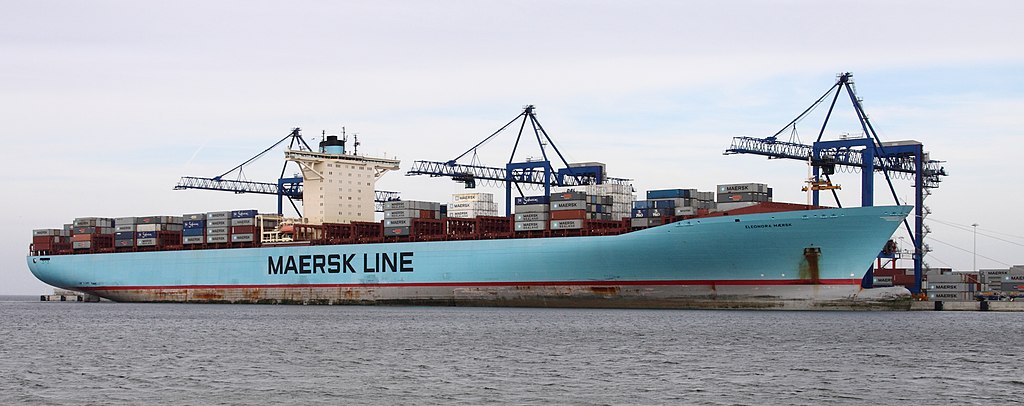
Germany’s trade surplus with the U.S. soared to a record €70 billion ($72 billion) in 2024, up from €63.3 billion in 2023, raising concerns amid rising trade tensions. The increase comes as U.S. President Donald Trump enforces 25% tariffs on steel and aluminum imports, fueling uncertainty over potential new duties on German goods.
German exports to the U.S. rose 2.2% to €161.3 billion, led by automobiles and pharmaceuticals, reinforcing the U.S. as Germany’s top export market. Meanwhile, imports from the U.S. dropped 3.4% to €91.4 billion, further widening the trade gap. Experts warn that new tariffs on German imports could disrupt bilateral trade and economic stability, especially as Germany grapples with a two-year economic contraction, making it the only G7 country to do so.
Holger Goerg from the Kiel Institute for the World Economy (IfW) emphasized that the U.S. trade deficit stems from weak global competitiveness, not unfair trade practices. He noted that imposing tariffs would likely hurt U.S. exports, rather than boost domestic manufacturing. Meanwhile, German Chancellor Olaf Scholz stated the EU is prepared to retaliate if new tariffs are imposed.
Trade specialist Damon V. Pike highlighted Trump’s frustration with Germany’s export-heavy economy, suggesting the president could impose tariffs on EU imports as early as next week. While Germany enjoys a strong goods trade surplus, the U.S. dominates in services exports, an important factor often overlooked in trade disputes.
As tensions rise, economists warn that an escalating U.S.-EU trade conflict could have far-reaching consequences for global markets, impacting investment, supply chains, and economic growth.







