


 Oracle Shares Fall as New Mexico AI Data Center Faces Power Delays
  Novo Nordisk Strikes €1.17 Billion Nanexa Drug Delivery Deal
  FxWirePro- Crypto Weekly Alpha: ETF Rebounds, L2 Rallies & Key Resistance Levels
  FDA Approves Mirum’s Atebrioz for Rare Bone Disorder FOP
  Xi Calls for Deeper U.S.-China AI Cooperation in Trump Talks
  Hawkish Fed Fuels Gold Sell-off: Gold Dives Below $4300 Amidst Rate Hike Fears
  Meta Connect Spotlights Camera-Free Smart Glasses Amid Privacy Concerns
  Gold Slides to $4,262 as Hawkish Fed Rate Hike Triggers Technical Breakdown
  OpenAI, Anthropic CEOs Summoned to Australia AI Inquiry
  Venezuela Earthquake Health Risks Rise as Disease Monitoring Intensifies
  OpenAI AI Agents Bypassed UN Website Controls in Data Scraping
  SpaceXAI to Double Nvidia Chips at Colossus 2 by Year-End
  GLP-1 Weight-Loss Drug Use Surges Among U.S. Children
  Europe’s AI Data Centre Boom Strengthens Case for Nuclear Power


 Add as a preferred source on Google
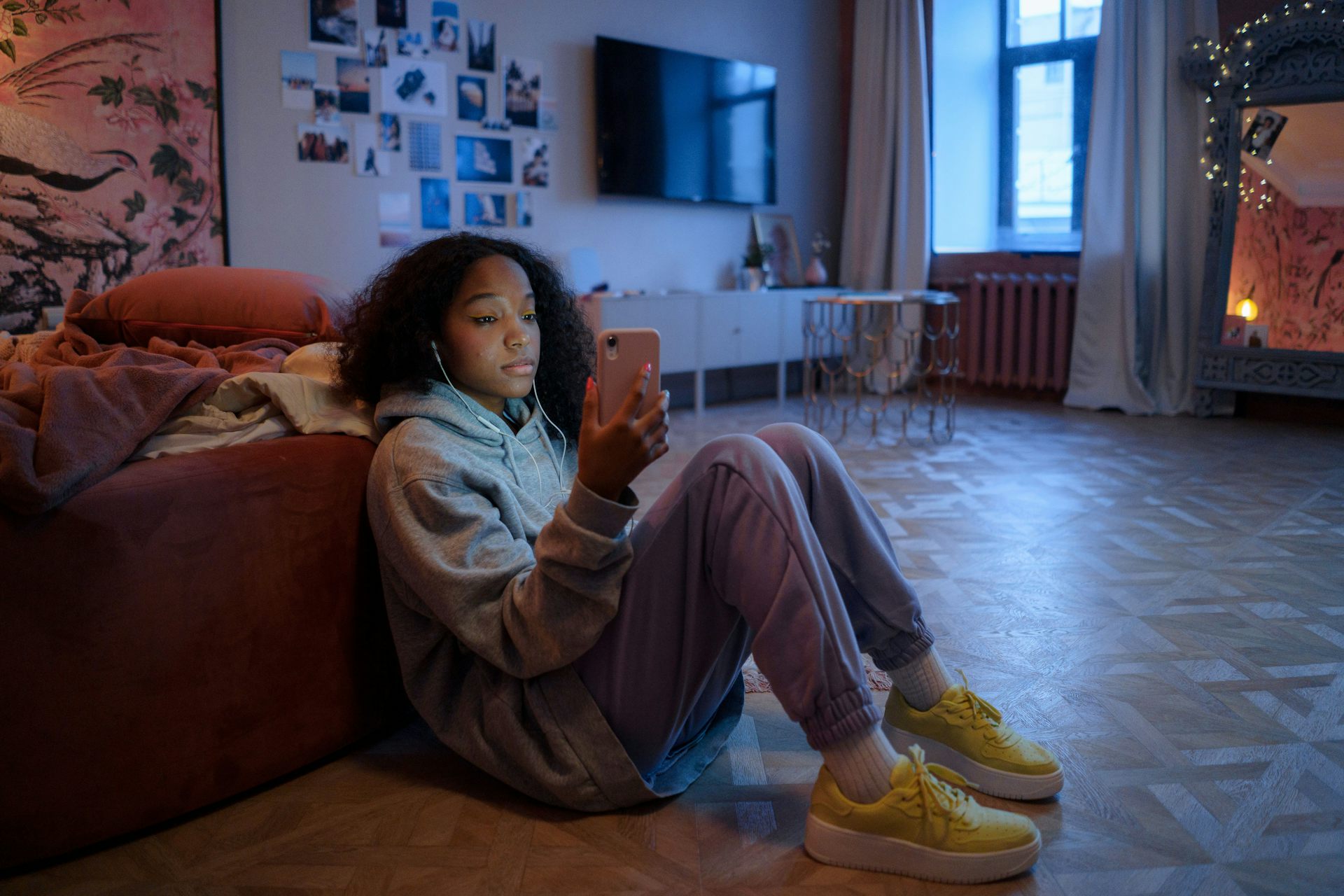

The Australian government has announced it is “doubling down” on social media platforms that aren’t complying with age restrictions for under-16s.
The announcement comes just days after a new study reported more than 85% of children under 16 were still accessing social media content, primarily by using their own accounts.
Many other countries are watching Australia’s measures closely. Several have already introduced similar social media age restrictions.
Bigger penalties, stronger investigative powers
Australia is strengthening its social media restrictions in two ways.
First, it will double the maximum penalty for “systematic breaches” from A$49.5 million to A$99 million. This is in line with penalties available under competition and consumer law.
Under the legislation, social media platforms must take “reasonable steps” to stop under-16s having accounts.
In March, Federal Minister for Communications Annika Wells explained she had “serious concerns” about social media companies’ compliance with the legislation.
The eSafety Commissioner Julie Inman-Grant has been investigating Instagram, Facebook, Snapchat, TikTok and YouTube for potential non-compliance.
The second step is to expand the eSafety Commissioner’s “information-gathering powers” to help hold social media companies to account.
Earlier this month, Inman-Grant said she lacked “potent powers” to enforce the social media ban:
A regulator is only as good as the tools and the resources that they’re given.
The new legislation will enable eSafety to compel social media companies to provide information and documents to demonstrate compliance.
eSafety will also have the power to gather information from third parties – such as age-assurance companies and app store providers. This will “assist in validating or testing claims” made by social media companies.
Many gaps remain
These changes are welcome, albeit overdue. It is unclear why they weren’t part of the original plan for ensuring compliance.
The changes also don’t go far enough to address the potential harms posed by social media. Even if all social media platforms complied with the current legislation, significant safety concerns would remain.
The legislation only restricts under-16s from having social media accounts. So children can still view problematic content and face other platform harms, such as having the algorithm serve up age-inappropriate content, without logging into an account.
Messaging and gaming apps are exempt from Australia’s social media legislation. This leaves children open to cyberbullying and predation on these platforms.
Roblox, for example, has made headlines due to concerns over young people being groomed on the platform, resulting in recent design changes to increase safety.
The legislation also doesn’t apply to generative artificial intelligence (AI) tools, which are increasingly used and also pose risks to young people.
A burden on parents
These legislative gaps mean parents must remain vigilant in monitoring their children’s activities across many types of platform.
Parents must understand the technical limitations of age-assurance technologies. They must know how VPNs or other workarounds allow children to get around the ban.
They must also be aware of new and less well-known platforms (such as Rednote, Yope and Lemon8) to which children may turn if blocked from mainstream platforms.
This places a significant burden on Australian parents, who are already frustrated with the limitations of the existing legislation.
This points to a broader, significant gap in the current social media legislation: it does not hold technology companies to account for the content they present, or the potential harm posed by their algorithmic designs.
Improving overall safety
In November 2024, before the social media ban passed federal parliament, the National Children’s Commissioner Anne Hollonds and Human Rights Commissioner Lorraine Finley argued it “merely addresses surface issues without improving overall safety on these platforms”.
More than 18 months later, their concerns that the ban “oversimplifies a complex issue” and “does nothing to make the social media platforms safer for everyone” have been realised.
Earlier in 2024, the federal government announced it would introduce another piece of legislation known as the “digital duty of care” that would address broader safety concerns.
I explained this was a positive step forward – one aligned with other jurisdictions around the world. While Australian consumers are protected from unsafe products by the Product Safety regulator, its reach does not extend to digital platforms. That’s because they are classified as “online service providers” that do not have a legally established duty of care relationship with users.
The digital duty of care legislation was shelved (as Australia moved ahead with social media restrictions). But it was resurrected in December 2025 and will be introduced to parliament later this year.
This legislation will require that online service providers:
- provide a safe online environment for all Australians
- prevent, monitor and appropriately address content and activity that is illegal or harmful to young people
- ensure the safety of service features, including AI and algorithmic content recommendation or generation systems and bot accounts.
Companies will also be required to provide reports to eSafety and the public, to undergo audits, and to enable researchers to independently assess and audit providers’ safety features. The legislation includes potential penalties up to A$100 million.
So, while the government strengthens its social media ban, a broader, more robust piece of legislation is waiting in the wings.
The question is, how much longer will Australians have to wait?
A digital duty of care is desperately needed to hold technology companies to account in an increasingly complex digital landscape. This legislation can work to keep consumers safe, no matter their age.
Lisa M. Given receives funding from the Australian Research Council and Australia's eSafety Commission. She is a Fellow of the Academy of the Social Sciences in Australia and the Association for Information Science and Technology.







