


 Dollar Holds Near Two-Month High as Yen Approaches 160
  Fed Unveils Stablecoin Rules Under GENIUS Act
  Fed’s Hammack Says Bond Yield Surge Is Not Driven by Inflation Fears
  RBI Uses $10 Billion Currency Swaps to Drain Excess Rupee Liquidity
  Oil Prices Fall on U.S.-Iran Hormuz Deal Hopes
  Wall Street Ends Flat as Oil, Treasury Yields and Fed Jitters Rattle Markets
  U.S. Treasury Yields Surge as 30-Year Hits 22-Year High
  European Stocks Fall as Bond Yields and Geopolitical Risks Weigh
  Australia Unemployment Hits Five-Year High Despite Strong Jobs Growth
  Oil Prices Jump 3% as Houthi Attack Revives Supply Fears
  Mexico-US Trade Talks Delayed to October as Tariff Negotiations Continue
  China Agrees to Buy 20 Million Tons of U.S. Coal
  US Stock Futures Fall as Treasury Yields Surge Ahead of Trump-Xi Summit
  Asian Currencies Mixed as Dollar Holds Near Two-Month High
  Asian Stocks Fall as Surging Bond Yields Rattle Markets


 Add as a preferred source on Google
Germany’s private-sector momentum swung back into positive territory in June, signaling the first uptick since April and fueling hopes that Europe’s largest economy can dodge a third consecutive year of contraction. The flash HCOB composite Purchasing Managers’ Index (PMI) from S&P Global climbed to 50.4, up sharply from May’s 48.5 and beating the Reuters consensus of 49.0. Crossing the 50-point threshold marks a return to growth for German business activity.
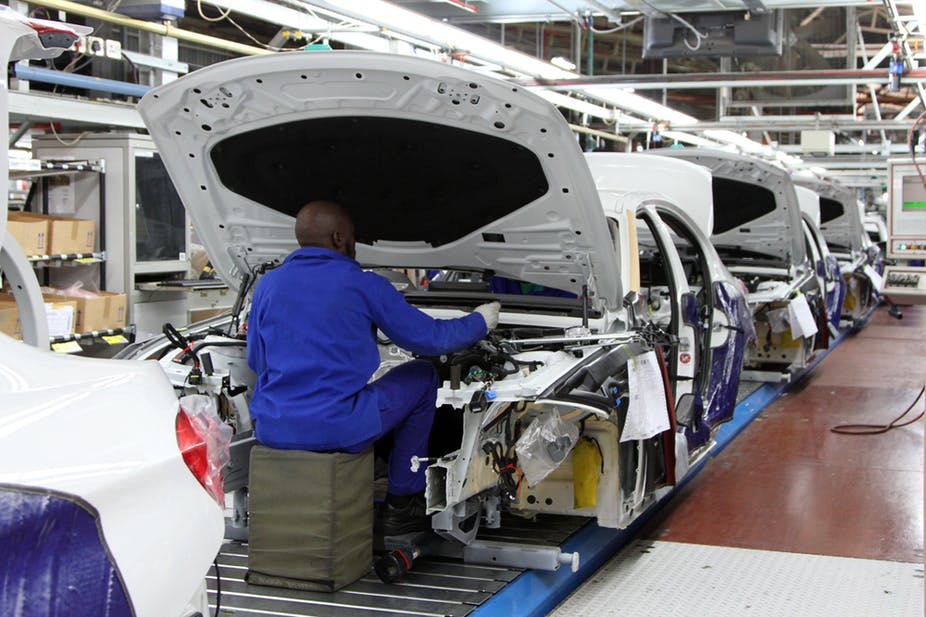
Factories powered the revival. The manufacturing PMI rose to 49.0 from 48.3, the highest reading since early 2023, as new orders posted their strongest expansion in more than three years. Hamburg Commercial Bank chief economist Cyrus de la Rubia noted the data “suggest Germany’s industrial engine is finally restarting,” offering a welcome boost after two straight annual GDP declines.
The services sector, while still below break-even, delivered an encouraging improvement: its index jumped to 49.4 from 47.1, comfortably ahead of forecasts for 47.5. Together, the manufacturing and services industries account for over two-thirds of German output, so even modest gains can ripple through the broader euro-zone economy.
Survey responses collected between 12 and 19 June follow recent upgrades by four leading German economic institutes, which now predict growth in 2025. Challenges such as elevated energy costs and fragile global demand persist, yet June’s PMI figures hint that Germany may be turning the corner sooner than feared.
Whether these green shoots translate into hard-data GDP growth will become clearer with upcoming official estimates, but today’s numbers offer businesses, investors, and policymakers a cautiously optimistic signal heading into the second half of 2025.







