


 Judge Orders Trump to Restore White House Access for CNN, MS NOW and Politico
  Japanese Bank Stocks Surge as Bond Yields Fuel Rate Hike Bets
  Ghana Says Western Support Growing for Slave Trade Reparations
  Oil Prices Ease as Iran Tensions Clash With Diplomacy Hopes
  Gold Holds Near $4,275 as Rising Treasury Yields Fuel Fed Rate Hike Bets
  US Senate Rejects Iran War Powers Resolution in 50-49 Vote
  Ukrainian Drone Attacks Hit Russian Regions, Injuring at Least 12
  Wall Street Ends Flat as Oil, Treasury Yields and Fed Jitters Rattle Markets
  Fed Unveils Stablecoin Rules Under GENIUS Act
  Kremlin Says No Decision Yet on Putin-Trump December Summit
  Asian Stocks Fall as Bond Yields Surge Ahead of Trump-Xi Summit
  Netanyahu’s Brief US Trip Highlights Strains With Trump
  South Korea, US Discuss Warship Building Cooperation
  Trump, Xi Visit US National Archives After White House Summit
  Najib Razak Seeks Stay of 15-Year 1MDB Prison Sentence
  Fed Unveils Stablecoin Rules Under GENIUS Act
  Yemen Violence Displaces 130,000 as Civilian Toll Rises


 Add as a preferred source on Google
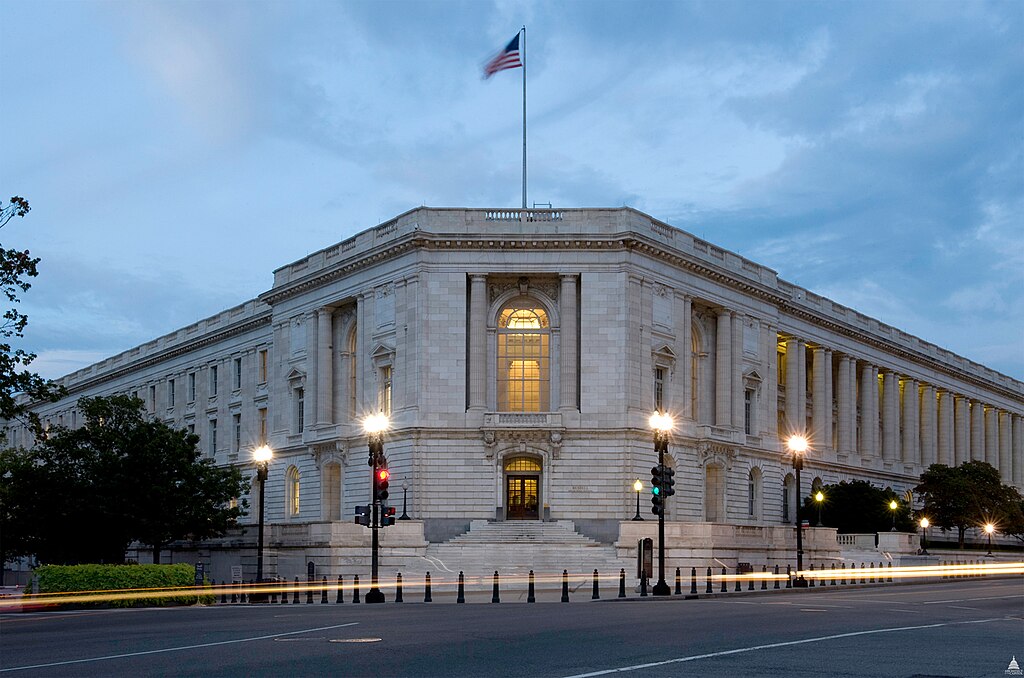
U.S. Senate Republicans are scrambling to pass President Donald Trump’s sweeping $3.3 trillion tax-cut and spending bill, despite deep internal divisions over its impact on the nation’s $36.2 trillion debt. In a high-stakes “vote-a-rama,” lawmakers debated amendments well into Monday night, aiming to bypass the usual 60-vote threshold using budget reconciliation rules.
The bill—extending 2017 tax cuts, increasing military and border spending, and slashing Medicaid and clean energy funding—faces strong opposition from Democrats and fiscal conservatives. The Congressional Budget Office estimates the Senate version adds $800 billion more in debt than the House-passed bill, triggering warnings from global bond investors.
Republican leaders, including Senate Majority Leader John Thune, argue the bill boosts small businesses and economic growth. However, GOP Senators Rand Paul and Thom Tillis oppose the measure, citing unsustainable spending and social program cuts. The bill includes a controversial $5 trillion debt ceiling hike, $1 trillion higher than the House version.
Democrats slammed the bill’s Medicaid cuts and restrictions on reproductive and gender-related healthcare. All proposed Democratic amendments have so far been rejected. Senator Chuck Schumer accused Republicans of favoring billionaires over working families, while Elon Musk criticized the bill’s hypocrisy and hinted at forming a new political party.
If passed, the bill could lead to 11.8 million more uninsured Americans, according to the CBO. The legislation now faces uncertainty in the House, where members are also split over its cost and policy priorities. Despite criticisms, the U.S. Chamber of Commerce supports the bill, while small business advocates warn benefits are skewed toward the top 5%.
Senate Republicans are using an alternative budget calculation method that omits key cost extensions, which outside experts say is misleading.







