


 Oil Prices Surge as U.S.-Iran Diplomacy Hopes Fade
  Japan Private-Sector Growth Slows as Domestic Demand Weakens
  Gold Holds Near $4,275 as Rising Treasury Yields Fuel Fed Rate Hike Bets
  US Stock Futures Fall as Treasury Yields Surge Ahead of Trump-Xi Summit
  Mexico-US Trade Talks Delayed to October as Tariff Negotiations Continue
  US, China Extend Trade Truce to Jan. 10 Ahead of Trump-Xi Summit
  Russian Envoy Dmitriev Heads to US for Ukraine Talks
  Wall Street Falls as Treasury Yields Surge, Oil Rebounds on Iran Tensions
  Fed Unveils Stablecoin Rules Under GENIUS Act
  US 10-Year Treasury Yield at 6% Emerges as New Market Risk Threshold
  Oil Prices Ease as Iran Tensions Clash With Diplomacy Hopes
  Japanese Bank Stocks Surge as Bond Yields Fuel Rate Hike Bets
  Soybean Futures Slip as Traders Await Trump-Xi Trade Signals
  Asian Stocks Fall as Bond Yields Surge Ahead of Trump-Xi Summit
  Wall Street Ends Flat as Oil, Treasury Yields and Fed Jitters Rattle Markets
  Dollar Holds Near Two-Month High as Yen Approaches 160


 Add as a preferred source on Google
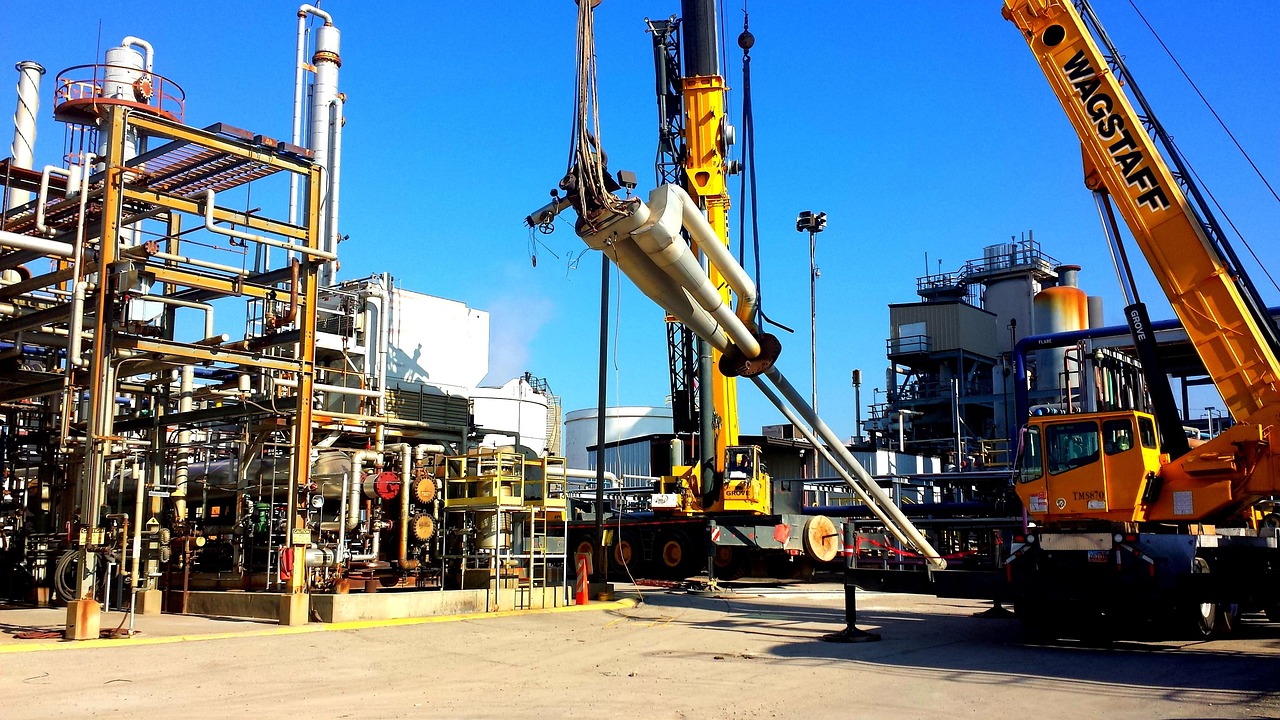
Oil prices declined during Asian trading on Friday, putting both major benchmarks on course for a weekly loss of more than 4%, as signs of diplomatic progress between the United States and Iran reduced the geopolitical risk premium that had been propping up markets.
Brent crude futures for May delivery dropped 0.7% to $107.80 per barrel, while West Texas Intermediate fell 0.8% to $93.72 per barrel as of early Friday morning. The pullback reflects growing investor confidence that a full-scale energy supply disruption may be avoided, at least in the near term.
Markets responded positively after U.S. President Donald Trump announced a 10-day pause on potential strikes targeting Iran's energy infrastructure, citing ongoing negotiations at Tehran's request. Trump described the diplomatic talks as progressing well, fueling optimism around a possible breakthrough. Iranian officials, however, struck a more measured tone, keeping traders cautious about reading too much into early-stage discussions.
A key concern driving recent crude oil volatility has been the Strait of Hormuz, a critical shipping chokepoint responsible for a significant share of global oil transit. Any disruption to this corridor could trigger sharp supply shocks, which explains why escalating U.S.-Iran-Israel tensions sent prices surging in prior weeks.
Despite the latest decline, crude oil prices remain considerably higher than pre-conflict levels, reflecting ongoing uncertainty in the region. Traders continue to weigh the possibility of renewed hostilities against diplomatic signals that suggest de-escalation may be underway.
With global energy markets remaining sensitive to geopolitical developments, oil price movements will likely continue to be driven by the pace of Iran nuclear negotiations, Middle East ceasefire prospects, and any shifts in U.S. foreign policy. Investors and analysts are watching closely for updates that could either stabilize or once again jolt crude markets in the days ahead.







