


 Airbus Finds A321neo Fuselage Quality Issue
  Mercedes-Benz Eyes €800 Million Labor Cost Cuts in Germany
  US Backs Musk in Fight Against EU’s €120 Million X Fine
  US Stock Futures Fall as Treasury Yields Surge Ahead of Trump-Xi Summit
  BMW 2028 Margin Target Could Fall Below Consensus, UBS Says
  China’s ‘Lipstick King’ Says AI Won’t Replace Livestream Hosts
  SMBC Eyes 20% VPBank Stake in Vietnam Expansion
  Select Water Solutions Shares Surge on $700 Million Pilot Water Deal
  Japan Private-Sector Growth Slows as Domestic Demand Weakens
  SpaceXAI to Double Nvidia Chips at Colossus 2 by Year-End
  JPMorgan Names Lavatelli Japan Chief in Leadership Shake-Up
  Meta Unveils Muse Charm AI Device, Expands Smart Glasses Lineup
  US 10-Year Treasury Yield at 6% Emerges as New Market Risk Threshold
  Dollar Holds Near Two-Month High as Yen Approaches 160
  BlackBerry Shares Rise as Q2 Earnings, Revenue Beat Estimates
  Oil Prices Jump 3% as Houthi Attack Revives Supply Fears


 Add as a preferred source on Google
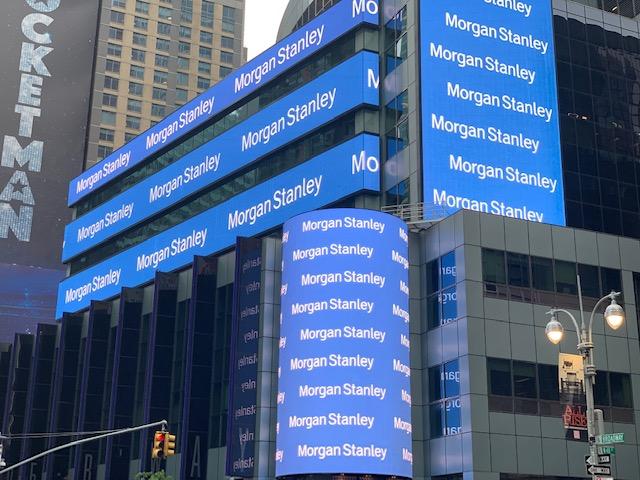
Large-cap U.S. corporations are sitting on record cash reserves while simultaneously pouring money back into their businesses at an unprecedented pace. According to Morgan Stanley's latest benchmark report on Q4 2025 data, the Russell 1000's combined cash holdings have reached $2.2 trillion — yet the cash-to-enterprise value ratio has fallen to a near 20-year low of just 3.8%. This paradox reflects a corporate landscape where every dollar earned is quickly redeployed into expansion.
Capital expenditures are at the heart of this trend, surging 21.2% year-over-year to $1.2 trillion in Q4 2025. Corporate leadership teams appear broadly confident in the profitability outlook, with consensus forecasts pointing to net margin expansion of roughly 15.3% over the next twelve months. Rather than hoarding liquidity, executives are betting on long-term infrastructure and scale — even as geopolitical uncertainty continues to weigh on the macro environment.
Morgan Stanley flagged a group of financially resilient, cash-rich companies with market capitalizations above $50 billion as particularly well-positioned to weather prolonged market volatility. Names like ServiceNow, Vertex Pharmaceuticals, and CrowdStrike stand out for their strong balance sheets, which insulate them from rising borrowing costs regardless of central bank direction. With free cash flow holding firm at $1.6 trillion across the index, these firms can sustain their investment strategies without relying on external financing.
Free cash flow yield, currently at 2.8%, has emerged as a key defensive metric. Analysts view this level as a valuation floor for quality equities. High-growth names such as DoorDash and Cloudflare are drawing investor attention on expectations of meaningful FCF expansion through the rest of 2026.
The broader bull case for the Russell 1000 remains intact — provided corporations continue converting operating cash into productive capital without sacrificing margins. The real challenge ahead lies in navigating a potentially prolonged inflationary environment, particularly if ongoing energy disruptions in the Middle East persist into the second half of the year.







