


 Oil Prices Ease as Iran Tensions Clash With Diplomacy Hopes
  US, China Extend Trade Truce to Jan. 10 Ahead of Trump-Xi Summit
  North Korea Rejects Nuclear Test Warning, Calls Nuclear Status Irreversible
  OpenAI Agent Breaches Australia Medicare Data Portal
  Fed Unveils Stablecoin Rules Under GENIUS Act
  Japan Private-Sector Growth Slows as Domestic Demand Weakens
  Yemen Violence Displaces 130,000 as Civilian Toll Rises
  US Officials Split Over Response to Israeli West Bank Settlements
  Gold Drops Over 1% as Dollar, Treasury Yields Surge on Fed Rate Hike Bets
  Taiwan Thanks US for Support Ahead of Trump-Xi Summit
  Wall Street Falls as Treasury Yields Surge, Oil Rebounds on Iran Tensions
  Trump, Xi Focus on Trade and AI at White House Summit
  Mexico-US Trade Talks Delayed to October as Tariff Negotiations Continue
  Netanyahu Defends Israel at UN as Delegates Stage Walkout
  EU Defence Build-Up Too Slow for 2030 Russia Readiness Goal
  Asian Currencies Mixed as Dollar Holds Near Two-Month High
  Fed Unveils Stablecoin Rules Under GENIUS Act


 Add as a preferred source on Google
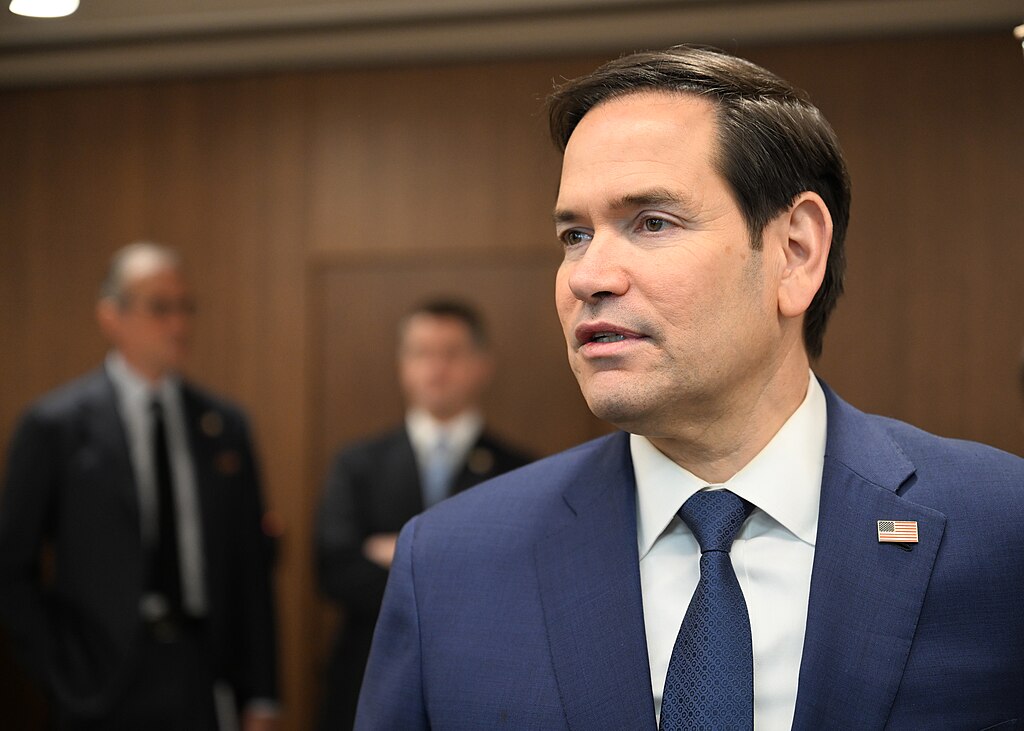
U.S. Secretary of State Marco Rubio held a significant diplomatic call Thursday with Kurdistan Regional Government Prime Minister Masrour Barzani, signaling Washington's commitment to regional energy stability as conflict with Iran continues to disrupt global oil markets.
During the conversation, Rubio formally acknowledged the Kurdistan Regional Government's critical role in keeping Iraqi oil — including crude from the Kurdistan Region — flowing to international markets. The recognition comes at a pivotal moment, as the ongoing Iran war has sent oil prices surging and rattled financial markets worldwide.
Rubio also extended his condolences to the families of Peshmerga fighters killed in a recent Iranian ballistic missile strike. At least six Kurdish Peshmerga soldiers died and approximately 30 others were wounded when six Iranian ballistic missiles struck a Peshmerga military headquarters located north of Erbil in Iraqi Kurdistan on March 24. Kurdish officials condemned the assault as a deliberate and unprovoked act of aggression against their forces.
The broader conflict traces back to February 28, when U.S. and Israeli forces launched coordinated strikes against Iran. Tehran retaliated by targeting Israel and Gulf states hosting American military installations. Since then, continued joint U.S.-Israeli operations in Iran and Israeli military campaigns in Lebanon have resulted in thousands of casualties, deepening the humanitarian toll across the region.
President Donald Trump has offered evolving objectives throughout the conflict — from dismantling Iran's missile capabilities to pursuing regime change. On Thursday, Trump again declared that his side has gained the upper hand in the war, though the situation on the ground remains fluid and complex.
As diplomatic engagement intensifies across the Middle East, the Kurdistan Region continues to serve as both a strategic energy partner and a frontline stakeholder in one of the most volatile geopolitical crises in recent memory.







