


 Taiwan Thanks US for Support Ahead of Trump-Xi Summit
  Europe Warns Russia Is Escalating Hybrid Attacks Across NATO
  US Backs Musk in Fight Against EU’s €120 Million X Fine
  Gaza Faces Evacuation Crisis as War-Damaged Buildings Risk Collapse
  Kremlin Says No Decision Yet on Putin-Trump December Summit
  Russian Missile and Drone Attack on Kyiv Kills Two, Damages Maternity Hospital
  NATO Boosts Intelligence Sharing Amid Russia Hybrid Threats
  North Korea Warns South Korea Over US-Led Defense Role
  Trump Asks Supreme Court to Restore Third-Country Deportations
  Trump, Xi Focus on Trade and AI at White House Summit
  South Korea, US Discuss Warship Building Cooperation
  Abbas Reaffirms November 28 Palestinian Elections
  Sudan Rejects US Legitimacy Remarks, Defends Sovereignty
  EU Defence Build-Up Too Slow for 2030 Russia Readiness Goal
  North Korea Rejects Nuclear Test Warning, Calls Nuclear Status Irreversible
  US Invites Putin to Miami G20, Opening Door to Trump Summit
  Judge Orders Trump to Restore White House Access for CNN, MS NOW and Politico


 Add as a preferred source on Google
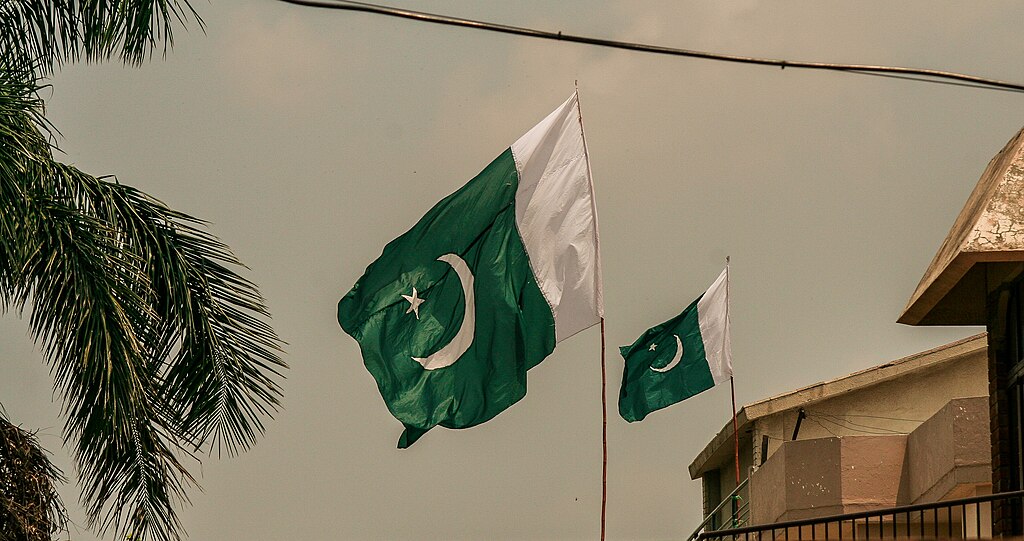
Pakistan has undergone a remarkable foreign policy transformation, shifting from regional isolation to becoming one of the most consequential diplomatic players in the Middle East. Under the joint leadership of Prime Minister Shehbaz Sharif and Army Chief General Asim Munir, Islamabad is now positioning itself as the key intermediary between Washington and Tehran — a role that has earned praise from President Trump himself.
This diplomatic breakthrough represents a significant warming of U.S.-Pakistan relations. Central to this realignment is a cryptocurrency agreement between a firm connected to U.S. Middle East envoy Steve Witkoff and the Pakistani government — a deal that signaled deeper economic and strategic trust between both nations. Pakistan and the U.S. are also expanding collaboration in critical minerals and counterterrorism, giving Islamabad the leverage and credibility needed to deliver Washington's 15-point peace framework directly to Iranian leadership.
The stakes could not be higher. With the Strait of Hormuz largely blocked to commercial shipping following the death of Iran's Supreme Leader, global energy markets remain volatile. Pakistan faces unique internal pressures as well, including the concerns of its sizable Shia population and existing defense commitments to Saudi Arabia. By stepping into the mediator role, Islamabad hopes to contain a conflict that directly threatens its border stability and energy supply chains.
Early signs are cautiously encouraging. Tehran agreed to permit 20 Pakistani-flagged vessels through the Strait of Hormuz as a goodwill gesture. Despite Iran's preference for its own five-point alternative to the U.S. plan, a multilateral summit in Islamabad is expected to take place soon.
Investors and analysts worldwide are watching closely. A successful peace framework could stabilize oil prices, reduce maritime insurance costs, and redefine Pakistan's strategic value on the global stage.







