


 China Automakers Accelerate Global Expansion as Domestic Car Sales Slump
  J.P. Morgan Upgrades SanDisk, Sets $2,250 Price Target on AI NAND Growth
  Ferrari Luce EV Sells for Record $40 Million at Charity Auction
  Synlait Milk Denies Fonterra, a2 Milk Takeover Talks
  Nvidia’s $500 Billion AI Infrastructure Push Wins Morgan Stanley Support
  Australia’s Corporate Leaders Face Parliament Over KPMG Client Data Scandal
  Sun Pharma Wins U.S. Appeal in Pfizer Lipitor Antitrust Case
  BofA Sees Micron EPS Topping $230 by 2030, Backs Major Stock Upside
  LG, Nvidia Expand AI Partnership With Humanoid Robots, AI Factories
  Alphabet Shifts AI Strategy Toward Commercial Growth, Goldman Sachs Says
  Anthropic Revenue Run Rate Hits $65 Billion as IPO Plans Accelerate
  Nvidia Eyes $3 Billion Investment in SoftBank-Backed AI Data Center
  Lockheed Martin Secures $153.5 Million in U.S. Defense Contracts
  Bernstein Picks BYD and Xiaomi as Top China EV Stocks Despite Weaker Demand
  Stripe, Advent Reportedly Pursue $53 Billion PayPal Takeover
  Paramount Skydance Clears Regulatory Hurdles for Warner Bros. Discovery Deal
  Google to Buy Spirit Airlines Business Data for $10 Million to Train AI


 Add as a preferred source on Google
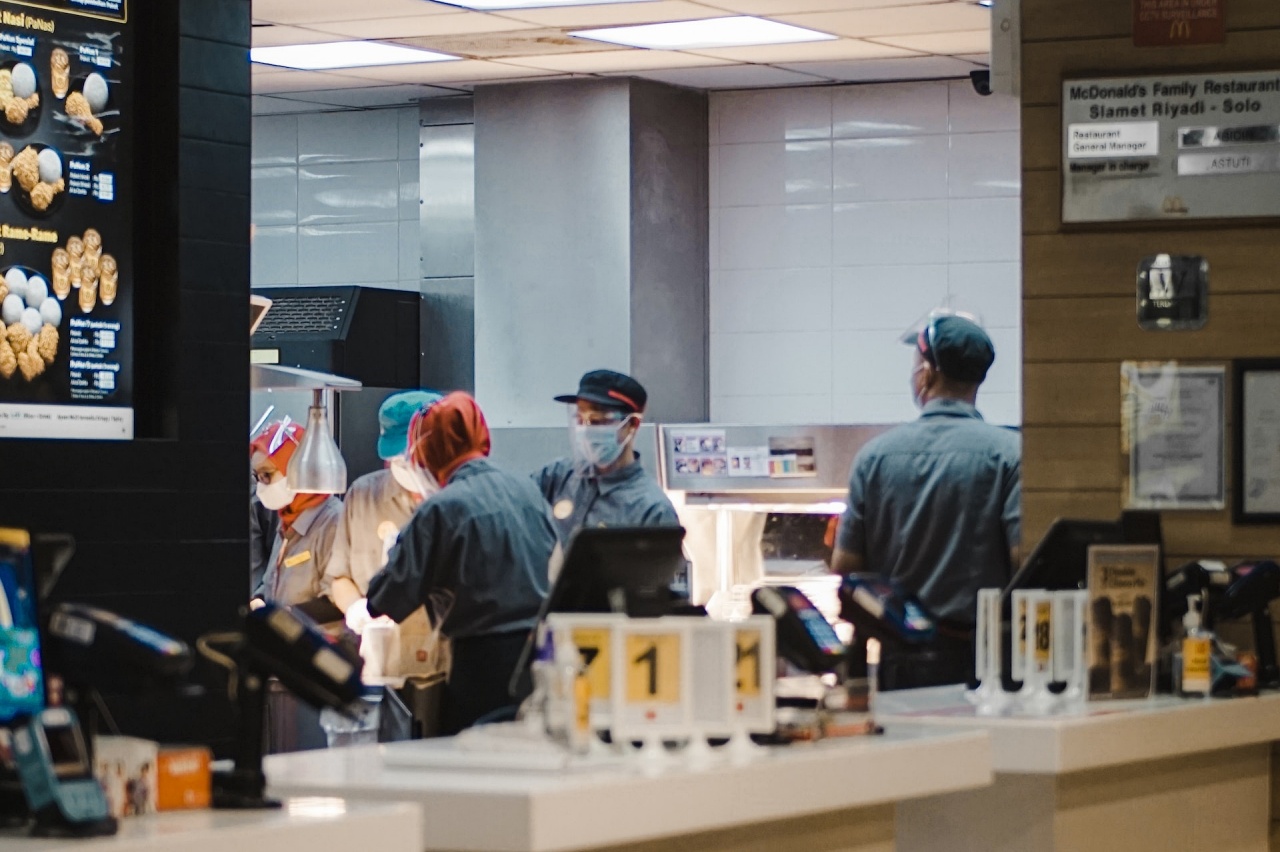
Global fast-food leaders McDonald's Corporation (NYSE: MCD) and Restaurant Brands International (NYSE: QSR) are confronting a challenging business landscape as the ongoing Iran war disrupts supply chains and dampens consumer confidence worldwide. A recent Bernstein research note highlights how both companies are feeling the ripple effects, even as direct U.S. supply chain disruptions remain modest for now.
Rising energy and commodity prices are emerging as a key concern, squeezing franchisee profit margins at a time when high-frequency consumer spending data from early March already points to softening demand. The pressure is especially acute among low-income consumers, who allocate a significantly larger share of their budgets to fuel costs. As gas prices climb, discretionary spending on restaurant meals becomes one of the first casualties — a worrying sign for value-driven fast-food chains that depend on this demographic.
Historically considered recession-resistant investments, McDonald's and QSR are now being tested by the magnitude of the current energy shock. International markets are bearing the brunt, with operations in Asia particularly affected by inconsistent supply chains and elevated logistics expenses. Restaurant Brands International, which oversees Burger King, Popeyes, and Tim Hortons, faces the added challenge of sustaining its value-focused messaging while local franchisees struggle with rising overhead costs.
McDonald's has employed strategic commodity and energy hedging to buffer corporate-owned and franchise locations from immediate volatility. However, Bernstein analysts caution that prolonged elevated energy prices through late 2026 could erode those protections once hedges expire and reset at higher market rates. This scenario could slow critical investments in store upgrades and digital initiatives.
While Wall Street remains optimistic about the long-term unit growth trajectory for both brands, near-term earnings guidance is expected to reflect a cautious outlook, particularly regarding global comparable store sales performance.







