


 Netanyahu’s Brief US Trip Highlights Strains With Trump
  Trump Administration Plans Faster FDA Reviews for Smoke-Free Nicotine Products
  DOJ Will Investigate AI-Related Crimes, Attorney General Blanche Says
  Taiwan Thanks US for Support Ahead of Trump-Xi Summit
  Najib Razak Seeks Stay of 15-Year 1MDB Prison Sentence
  NATO Boosts Intelligence Sharing Amid Russia Hybrid Threats
  Appeals Court Rejects Trump Third-Country Deportation Policy
  Mexico-US Trade Talks Delayed to October as Tariff Negotiations Continue
  Judge Orders Trump to Restore White House Access for CNN, MS NOW and Politico
  Netanyahu Takes Aim at Mamdani as Israel Election Nears
  Ghana Says Western Support Growing for Slave Trade Reparations
  OpenAI Agent Breaches Australia Medicare Data Portal
  US Northeast Airports Resume Operations After Telecom Outage Disrupts Thousands of Flights
  Abbas Reaffirms November 28 Palestinian Elections
  US Backs Musk in Fight Against EU’s €120 Million X Fine
  China Reviews Broadcom Switch Use in State Data Centres


 Add as a preferred source on Google
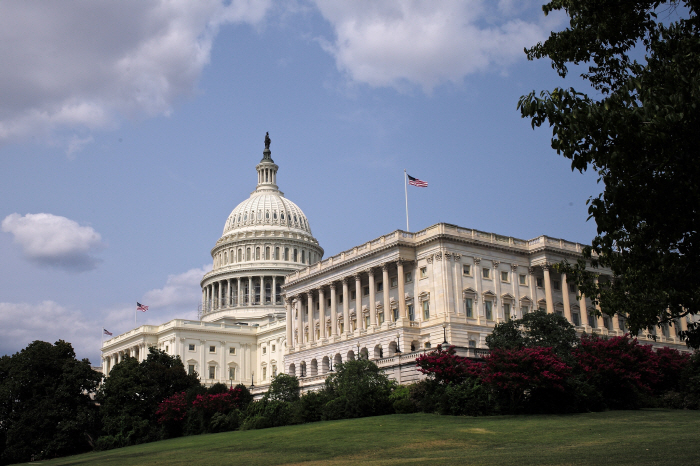
Republican leaders and a group of moderate GOP lawmakers from high-tax states have reached a tentative agreement to raise the cap on state and local tax (SALT) deductions, according to a report by Politico. The deal aims to address long-standing concerns from lawmakers in states like New York, New Jersey, and California, where residents face steep local tax burdens.
The SALT deduction cap, originally set at $10,000 under the 2017 Tax Cuts and Jobs Act, has been a contentious issue, particularly for Republicans representing high-cost-of-living districts. These lawmakers have pushed for relief, arguing that the cap unfairly penalizes their constituents.
Although a breakthrough has been made, the proposal still requires broader party consensus. Some Republicans continue to oppose any increase to the deduction cap, citing concerns about budget impacts and favoring a more uniform tax code. Their approval is crucial as party leaders work to finalize a broader tax reform package.
Negotiations are ongoing, and the final terms of the agreement could change. However, the tentative deal marks a significant step toward resolving a key sticking point in tax policy discussions. If approved, the revised SALT deduction cap could be included in the upcoming tax bill expected to be introduced later this year.
This development reflects the GOP’s effort to balance national tax policy with regional economic pressures, particularly ahead of a critical election year. It also highlights the influence moderate Republicans continue to wield in shaping legislation that directly impacts their districts. As talks progress, the potential increase in the SALT cap is being closely watched by taxpayers, lawmakers, and fiscal analysts across the country.







