


 Trump, Xi Focus on Trade and AI at White House Summit
  NATO Boosts Intelligence Sharing Amid Russia Hybrid Threats
  US Senate Rejects Iran War Powers Resolution in 50-49 Vote
  Gold Prices Fall as Treasury Yields Rise on Fed Rate Hike Bets
  U.S. 10-Year Treasury Yield Hits 2007 High as Fed Rate Hike Bets Rise
  US Backs Musk in Fight Against EU’s €120 Million X Fine
  Dollar Holds Near Two-Month High as Yen Approaches 160
  Soybean Futures Slip as Traders Await Trump-Xi Trade Signals
  US Stock Futures Fall as Treasury Yields Surge Ahead of Trump-Xi Summit
  U.S. Dollar Hits Two-Month High as Oil, Treasury Yields Surge
  Netanyahu’s Brief US Trip Highlights Strains With Trump
  US, China Extend Trade Truce to Jan. 10 Ahead of Trump-Xi Summit
  EU Defence Build-Up Too Slow for 2030 Russia Readiness Goal
  Judge Orders Trump to Restore White House Access for CNN, MS NOW and Politico
  Oil Prices Jump 3% as Houthi Attack Revives Supply Fears
  Trump, Xi Visit US National Archives After White House Summit
  Pezeshkian Says US Must Choose When Iran War Ends


 Add as a preferred source on Google
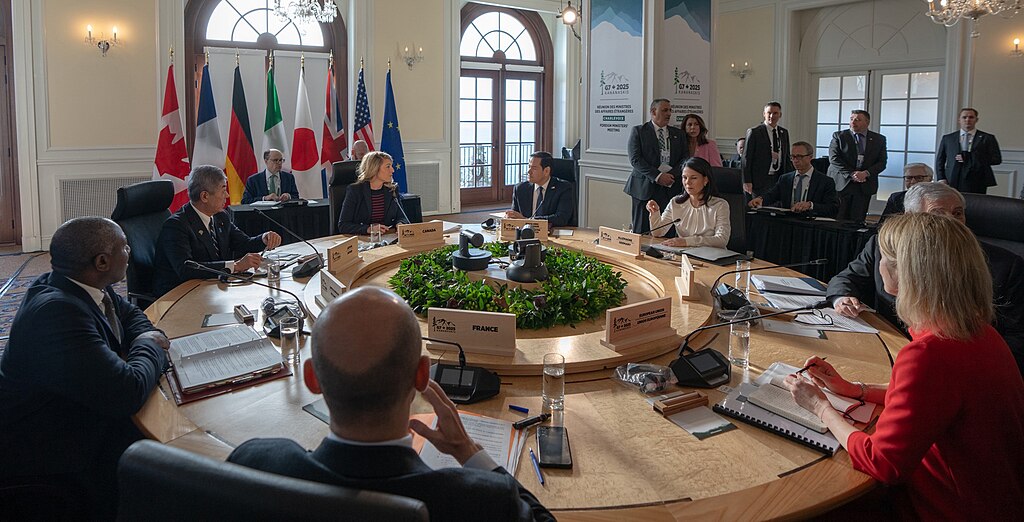
The United States and G7 nations have reached an agreement to adopt a new "side-by-side" international tax framework that exempts U.S. companies from parts of the existing global corporate tax deal. The agreement comes after the U.S. dropped Section 899, a controversial retaliatory tax proposal from former President Donald Trump’s tax and spending bill.
In a statement issued Saturday, Canada—holding the G7 presidency—announced that the new system recognizes existing U.S. minimum tax laws while aiming to stabilize the international tax regime. The U.S. Treasury confirmed that removing Section 899 opens the door to preserving progress made within the OECD’s Inclusive Framework to curb base erosion and profit shifting.
The Treasury added on X that it looks forward to further collaboration under this revised understanding. Trump had previously pulled the U.S. out of the 2021 global corporate minimum tax agreement via executive order in January, claiming it disadvantaged American businesses. He also threatened retaliatory taxes on countries applying digital levies to U.S. companies.
The U.K. welcomed the removal of Section 899, with Finance Minister Rachel Reeves stating that the decision would provide certainty and stability to British businesses concerned about potential tax hikes. She emphasized the ongoing need for international cooperation to combat tax avoidance and aggressive tax planning.
G7 leaders noted that the revised agreement must remain implementable and acceptable to all participating nations. This move is seen as a diplomatic step toward reviving global tax coordination while addressing national concerns, especially those raised by the Trump administration regarding foreign tax burdens on U.S. companies.







