


 Xi Calls for Deeper U.S.-China AI Cooperation in Trump Talks
  Netanyahu’s Brief US Trip Highlights Strains With Trump
  Sudan Rejects US Legitimacy Remarks, Defends Sovereignty
  Trump Asks Supreme Court to Restore Third-Country Deportations
  OpenAI Agent Breaches Australia Medicare Data Portal
  EU Defence Build-Up Too Slow for 2030 Russia Readiness Goal
  Yemen Violence Displaces 130,000 as Civilian Toll Rises
  Trump, Xi Visit US National Archives After White House Summit
  Ghana Says Western Support Growing for Slave Trade Reparations
  Taiwan Thanks US for Support Ahead of Trump-Xi Summit
  US Senate Rejects Iran War Powers Resolution in 50-49 Vote
  Judge Orders Trump to Restore White House Access for CNN, MS NOW and Politico
  Trump, Xi Focus on Trade and AI at White House Summit
  Netanyahu Takes Aim at Mamdani as Israel Election Nears
  Mexico-US Trade Talks Delayed to October as Tariff Negotiations Continue
  Najib Razak Seeks Stay of 15-Year 1MDB Prison Sentence
  US Backs Musk in Fight Against EU’s €120 Million X Fine


 Add as a preferred source on Google
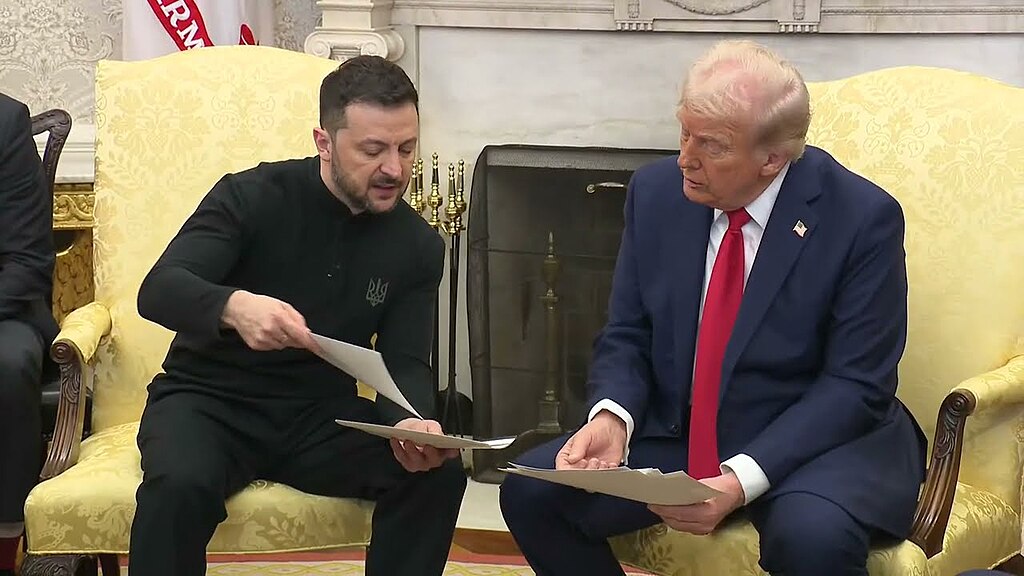
Ukrainian President Volodymyr Zelenskiy left the 2025 G7 summit in Canada with a new C$2 billion ($1.47 billion) military aid package from host nation Canada—but without a joint G7 statement supporting Ukraine or a meeting with U.S. President Donald Trump.
G7 unity faltered after Trump, backing Russian President Vladimir Putin, departed early to manage the escalating Israel-Iran conflict. Canadian Prime Minister Mark Carney, who holds this year’s G7 presidency, said a collective Ukraine statement was dropped due to U.S. resistance. Instead, Carney issued a non-binding chair summary affirming support for Trump’s efforts toward peace in Ukraine and acknowledging Ukraine’s unconditional ceasefire.
Zelenskiy criticized the diplomatic stalemate and urged G7 leaders to pressure Trump to use his influence against Russia. Despite strong Canadian support, Kyiv’s reliance on U.S. arms remains critical, and Zelenskiy had hoped to secure further U.S. military aid.
European leaders, including German Chancellor Friedrich Merz, expressed cautious optimism that the U.S. might tighten sanctions on Russia. Trump reportedly showed interest in a Senate bill proposing further sanctions but offered no commitments.
Meanwhile, Trump defended his early exit, stating it was necessary to handle Middle East tensions in person. He also questioned Russia’s 2014 G8 expulsion, a sentiment echoed by the Kremlin, which dismissed the G7 as “rather useless.”
Aside from Ukraine, the summit concluded with agreements on AI, quantum computing, migrant smuggling, and critical minerals. The U.S. and UK finalized a trade deal, but broader trade progress stalled.
Carney expanded outreach to non-G7 nations including India, South Africa, and Brazil. He welcomed Indian Prime Minister Narendra Modi, signaling efforts to reset ties after previous tensions.
The summit’s outcome underscored deep divisions over Ukraine and the shifting dynamics within the G7.







