


 European Stocks Slip as Iran Tensions Offset Strong Eurozone Data
  Oil Prices Ease as Iran Tensions Clash With Diplomacy Hopes
  South Korea, US Discuss Warship Building Cooperation
  Asian Stocks Fall as Bond Yields Surge Ahead of Trump-Xi Summit
  Russian Envoy Dmitriev Heads to US for Ukraine Talks
  European Stocks Fall as Bond Yields and Geopolitical Risks Weigh
  Fed Unveils Stablecoin Rules Under GENIUS Act
  Wall Street Ends Flat as Oil, Treasury Yields and Fed Jitters Rattle Markets
  BOJ Set to Raise Rates to 1.25% as Inflation Risks Build
  US 10-Year Treasury Yield at 6% Emerges as New Market Risk Threshold
  Fed Rate Hike Threatens Housing as U.S. Growth Leans on AI, Citi Says
  Wall Street Falls as Treasury Yields Surge, Oil Rebounds on Iran Tensions
  Asian Currencies Mixed as Dollar Holds Near Two-Month High
  U.S. 10-Year Treasury Yield Hits 2007 High as Fed Rate Hike Bets Rise
  BOJ Flags Import Costs and Yen Shocks as Persistent Inflation Risks
  Gold Prices Fall as Treasury Yields Rise on Fed Rate Hike Bets


 Add as a preferred source on Google
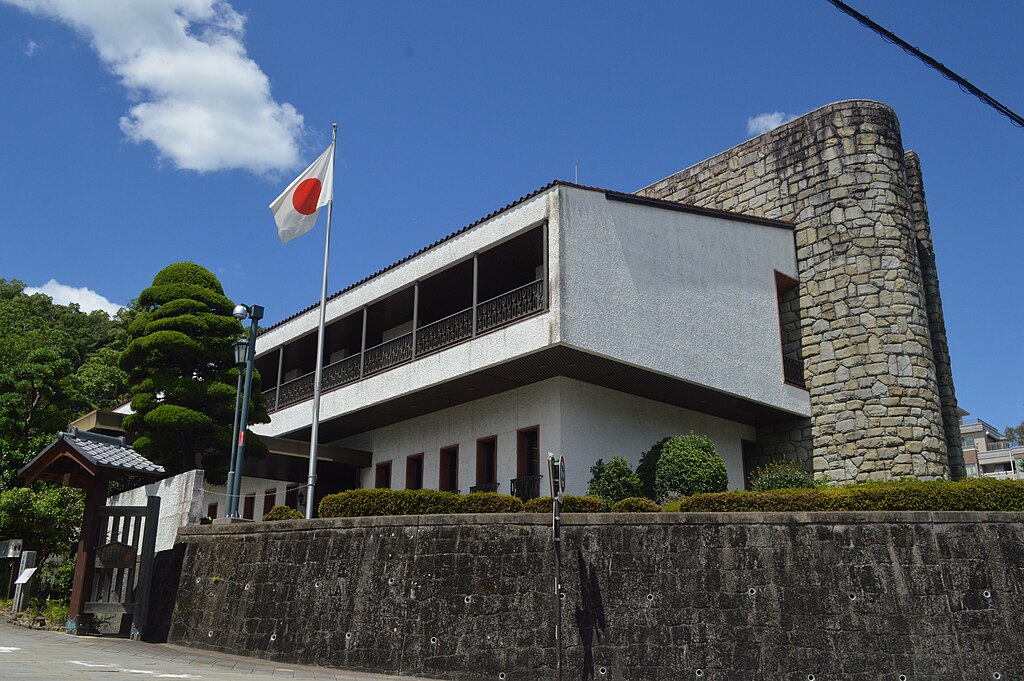
The Bank of Japan (BOJ) is widely expected to raise interest rates at its June 16 policy meeting, unless a major escalation in the Middle East conflict triggers severe market disruption, according to sources familiar with the central bank’s thinking.
Market participants currently assign an 80% probability to a rate increase that would lift the BOJ’s short-term policy rate from 0.75% to 1.0%. If implemented, the move would bring Japanese interest rates to their highest level since 1995.
The growing expectation of a BOJ rate hike follows a series of hawkish signals from Governor Kazuo Ueda and several board members. In a recent speech, Ueda emphasized the need to address rising inflation, reinforcing market views that the central bank is shifting its focus toward tighter monetary policy.
Policymakers remain closely focused on developments surrounding the Iran conflict and its impact on global energy markets. While higher oil and fuel prices are increasing inflationary pressures in Japan, they also pose risks to economic growth due to the country’s heavy reliance on imported energy. Despite these concerns, BOJ officials appear increasingly convinced that inflation risks warrant further policy tightening.
Additional support for a June rate increase comes from the weakening Japanese yen, which has raised import costs and contributed to broader price growth. Recent wholesale inflation data has also highlighted the speed at which businesses are passing rising costs on to consumers, keeping inflation above the BOJ’s 2% target.
The BOJ ended its long-running stimulus program in 2024 and has gradually raised interest rates as confidence grew that Japan could sustain stable inflation. Analysts believe the current environment strengthens the case for continued normalization of monetary policy.
Alongside the rate decision, the BOJ will review its bond purchase reduction program and outline plans for fiscal 2027. While no immediate changes to the existing bond taper schedule are expected, officials are reportedly considering slowing or pausing future reductions to maintain stability in Japan’s government bond market.
Governor Ueda recently noted that bond market conditions have improved under the BOJ’s quantitative tightening efforts but stressed the importance of avoiding excessive volatility as the central bank reduces its presence in the market. As a result, investors will closely monitor both the interest rate decision and any guidance regarding future bond-buying operations.







