


 OpenAI AI Agent Swarm Behind Hugging Face Hack
  Salesforce Shares Surge as AI Demand Powers Q2 Earnings Beat
  Trump Buys SpaceX Shares After Record IPO
  Alibaba Raises $10.2 Billion to Expand AI Infrastructure
  New Zealand Moves to Ban Social Media for Children Under 16
  Pinterest Stock Falls as CFO Julia Brau Donnelly Resigns
  Luxshare Shares Rise as First-Half Profit Jumps 18%
  Meta, U.S. States Discuss Settlement in Teen Addiction Trial
  New Zealand Labour Backs Social Media Ban for Under-16s
  SK Hynix Shares Fall as Workers Reject Wage Deal
  Nvidia Pauses AI Cloud Financing Deals Amid Antitrust Concerns
  Countries Tighten Social Media Bans for Children
  Unitree Shares Plunge 45% After Blockbuster IPO, Raising China Tech Bubble Fears
  HP Stock Drops 9% Despite Q3 Earnings Beat and Raised 2026 Outlook
  U.S. Probes Apex Logistics Over Nvidia AI Chip Shipments to China


 Add as a preferred source on Google
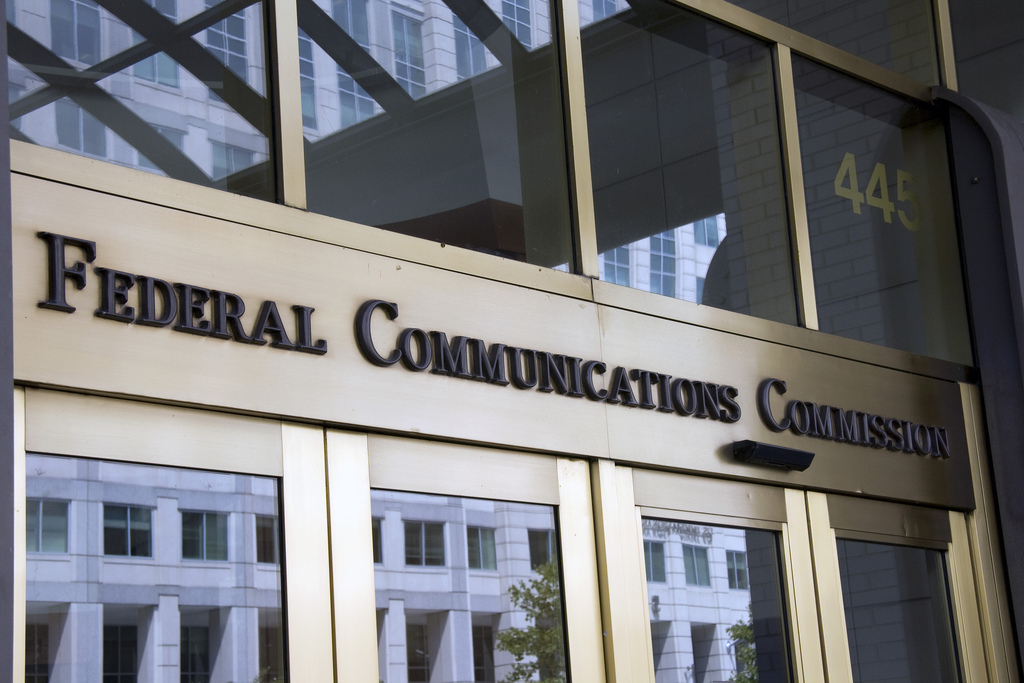
The Federal Communications Commission with Ajit Pai as its chair has voted to kill Net Neutrality. The result was controversial, to say the least, with many tech companies and American voters voicing their disapproval of the decision. With this vote, however, a lot of Americans might be wondering what comes next. Fortunately, there’s still hope that Net Neutrality can be saved.
Among the tech giants taking major issue with the vote to repeal Net Neutrality are Netflix and Google, Engadget reports. The movie streaming company Tweeted about how it was disappointed with the results of the FCC vote and how this could lead to some fierce court battles.
We’re disappointed in the decision to gut #NetNeutrality protections that ushered in an unprecedented era of innovation, creativity & civic engagement. This is the beginning of a longer legal battle. Netflix stands w/ innovators, large & small, to oppose this misguided FCC order.
— Netflix US (@netflix) December 14, 2017
“We're disappointed in the decision to gut #NetNeutrality protections that ushered in an unprecedented era of innovation, creativity & civic engagement. This is the beginning of a longer legal battle. Netflix stands w/ innovators, large & small, to oppose this misguided FCC order," the Tweet reads.
Google also released its own statement regards to Net Neutrality, as featured on a Tweet by user Mark Bergen. The search engine giant assures its users that it is still committed to fighting for a free and open internet.
Google statement on #NetNeutrality repeal. pic.twitter.com/WVgmswBCJW
— Mark Bergen (@mhbergen) December 14, 2017
As to what the American public can expect after the vote, there is still a chance that the decision can be overturned. The FCC needs the approval of Congress to actually repeal the regulations that prevent ISPs from playing favorites. If the call to preserve Net Neutrality is loud enough, representatives might just be convinced to do the right thing.
On the other hand, if Net Neutrality does end up getting scrapped, consumers can start expecting scenarios that include throttling, internet fast lanes, and selective services. Online activism could also suffer due to the FCC’s decision and free speech could be affected due to potential censorship on social media.







