


 Qualcomm Nears $4 Billion Acquisition of AI Chip Startup Modular
  U.S. Eases Iran Team Travel Restrictions Ahead of Seattle World Cup Match
  US House Approves $70 Billion Immigration Enforcement Funding Bill, Ending Congressional Deadlock
  Trump Forced Labour Tariff Plan Faces Criticism as Experts Question Effectiveness
  Los Angeles World Cup Security Plans: No ICE Immigration Enforcement at FIFA 2026 Matches, Officials Say
  Apollo Debt Solutions Limits Redemptions as Withdrawal Requests Surge
  Crimea Power Outage After Ukrainian Drone Attack, Russian Authorities Say
  SpaceX Stock Plunges 16% as KeyBanc Warns Valuation May Be Overstretched
  WiseTech Global Denies Knowledge of Investigation Into Founder Richard White
  Marco Rubio Says U.S. Will Block IRGC-Linked Individuals From Iran World Cup Delegation
  Samsung Electronics Stock Surges on Report of Massive $59 Billion Share Buyback Plan
  Cait Conley Wins Democratic Nomination, Sets Up Key House Battle Against Mike Lawler in New York
  100+ Global Companies Push Governments to Prioritize Electrification for Economic Growth
  Micron Stock Surges on Strong AI Demand, Record Revenue, and Bullish Q4 Forecast
  Marco Rubio Seeks Gulf Support for U.S.-Iran Peace Deal Amid Regional Concerns
  Trump Orders DOJ Investigation Into Exxon, Chevron Over High Gas Prices
  Alan Greenspan: 7 Fascinating Facts About the Former Fed Chairman


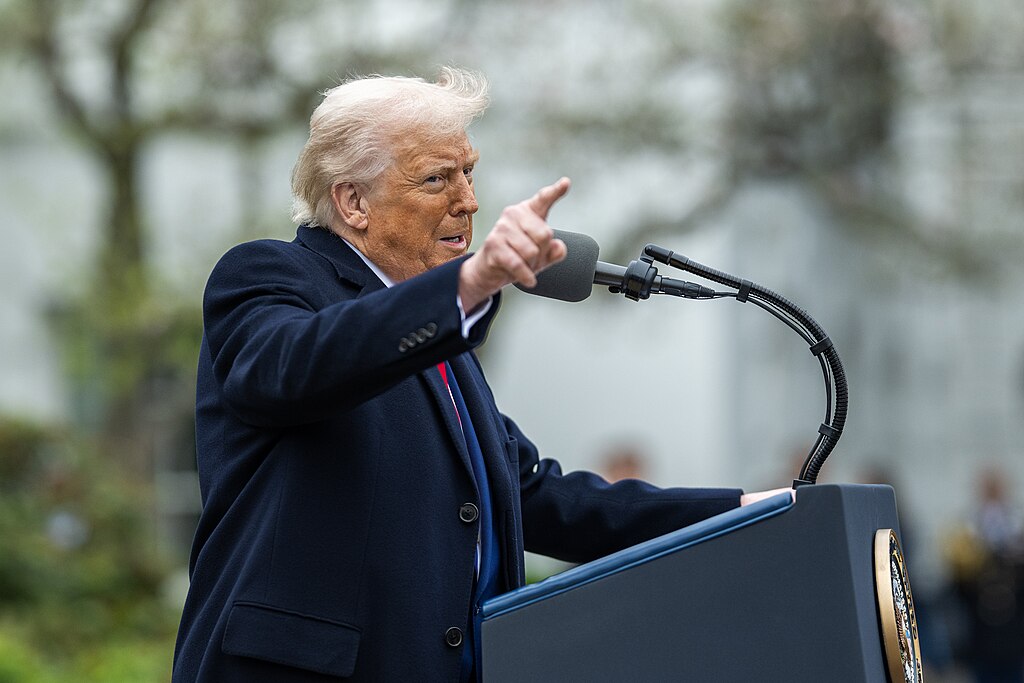
U.S. President Donald Trump sharply criticized the European Union’s recent decision to impose a €120 million ($140 million) fine on Elon Musk’s social media platform X, calling the move “a nasty one” and questioning how EU regulators could justify it. Speaking to reporters at a White House event, Trump warned that “Europe is going in some bad directions” and said he expected a full briefing on the issue. He emphasized that Musk had not contacted him for support but added that the EU “has to be very careful” with actions targeting major American tech companies.
The European Commission levied the fine after determining that X breached several obligations under the Digital Services Act (DSA), including failing to offer researchers adequate access to public data, maintaining an incomplete advertising repository, and using deceptive design elements tied to its blue checkmark verification system. EU tech chief Henna Virkkunen defended the penalty as proportionate, stressing that the DSA “has nothing to do with censorship” and applies equally to all platforms regardless of nationality. Regulators argue the measures are essential to protecting democratic processes and maintaining transparency in the digital ecosystem.
Musk dismissed the ruling outright, responding “Bullshit” to the Commission’s announcement and amplifying posts criticizing the fine. He reiterated that “freedom of speech is the bedrock of democracy,” claiming such regulations undermine open dialogue. Senior U.S. officials, including Secretary of State Marco Rubio and FCC Chairman Brendan Carr, also condemned the EU’s action, characterizing it as an attack on American companies and digital free expression.
In contrast, TikTok—which faced similar concerns in May for failing to maintain a complete public ad repository—avoided penalties after promising improvements to its ad library. The platform urged EU regulators to apply rules consistently across all major tech companies, highlighting the growing global debate over transparency, platform accountability, and the balance between regulation and free speech in the digital age.







