


 U.S. Reviewing Potential F-35 Fighter Jet Sale to Turkey Amid S-400 Dispute
  NATO Chief Tries to Ease Trump Alliance Dispute
  Republican Lawmaker Introduces AI Incident Reporting Bill to Strengthen U.S. AI Safety
  White House Seeks $87.6 Billion Emergency Funding for Iran War, Farmers, and Ebola Response
  US Urges States and Businesses to Strengthen Taiwan Ties Amid China Pressure
  Marco Rubio Reassures Gulf Allies Over U.S.-Iran Peace Deal
  US Seeks Gulf Support for Iran Peace Deal Amid Regional Tensions
  Japan Signals Preference for Low Interest Rates as BOJ Policy Debate Intensifies
  US Approves $250 Million Fighter Jet Training Sale to Australia
  Trump Requests $11 Billion More in Farm Aid as Rising Costs Pressure U.S. Farmers
  Johns Hopkins University Lays Off 110 Employees as Federal Research Funding Declines
  ICC Judges Sue Trump Administration Over Sanctions, Calling Measures Unlawful
  US Strikes Iran After Strait of Hormuz Attack as Ceasefire Tensions Escalate
  Israel Heritage Bill Sparks Annexation Concerns in West Bank
  Iran Attack in Strait of Hormuz Pushes Oil Prices Higher
  Trump Administration Rejects Claims of Rift Between JD Vance and Marco Rubio on Iran Policy
  NATO Strengthens Arctic Defense as Russia Expands Military Presence


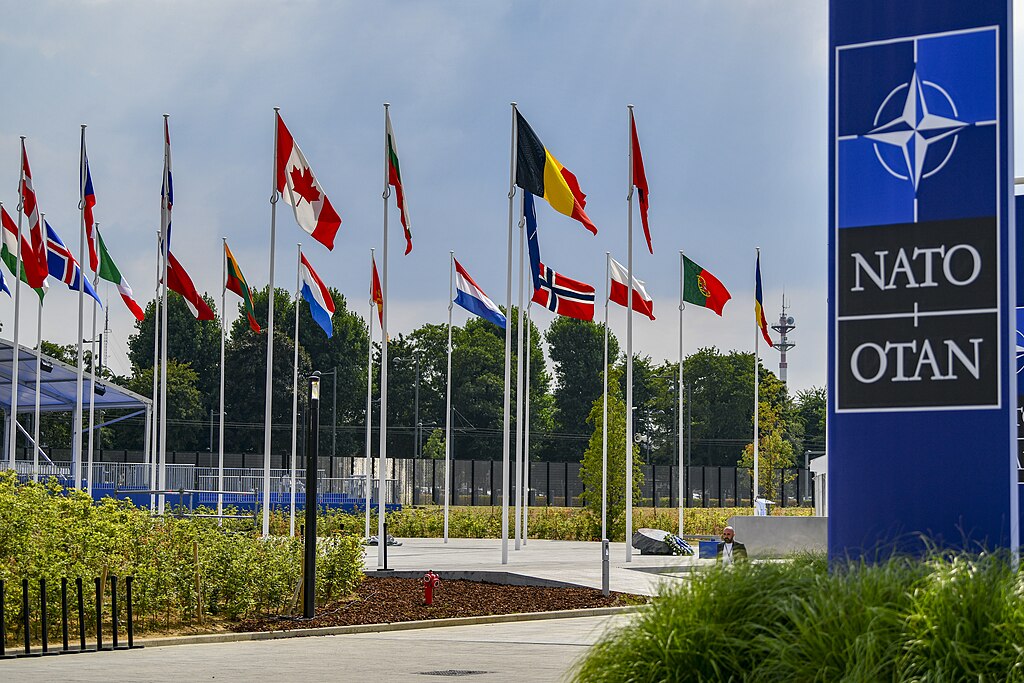
Europe’s top military powers are quietly crafting plans to assume greater responsibility for the continent’s defense, aiming to ease reliance on the United States amid concerns over a potential Trump return to the White House, according to the Financial Times.
The United Kingdom, France, Germany, and Nordic nations are reportedly leading informal but coordinated discussions about a gradual five to ten-year transition toward European-led defense initiatives. The talks are said to include the possibility of a structured proposal to the U.S. that outlines how Europe could increasingly manage its own security.
The move reflects growing anxiety across Europe about future transatlantic relations, especially in light of President Donald Trump’s recent comments questioning the U.S. commitment to NATO. During a campaign rally, Trump suggested he might not defend NATO members failing to meet defense spending targets, raising alarm across the alliance.
European officials involved in the discussions believe that reducing dependence on the U.S. military is not just strategic but necessary for long-term stability. The proposed shift would aim to build more autonomous European defense capabilities while maintaining NATO unity.
While still in early stages, these talks mark a significant pivot in Europe’s security posture. The effort also highlights a broader trend toward European strategic autonomy, particularly as global security dynamics shift and traditional alliances are tested.
The discussions underscore Europe’s urgent need to prepare for an uncertain future, with stronger defense integration and increased military spending now viewed as essential steps toward greater self-reliance.
By planning a gradual, managed transition, European powers hope to avoid disruption while signaling to Washington—and to voters on both sides of the Atlantic—that they are ready to take a larger role in securing the region.







