


 Trump, Xi Visit US National Archives After White House Summit
  China Agrees to Buy 20 Million Tons of U.S. Coal
  Pope Leo Warns UN, Multilateral Groups Face Crisis
  Trump Asks Supreme Court to Restore Third-Country Deportations
  US Comfortable With Canada Trade Standoff as Import Bans Loom
  Asian Currencies Mixed as Dollar Holds Near Two-Month High
  Netanyahu’s Brief US Trip Highlights Strains With Trump
  US Stock Futures Fall as Treasury Yields Surge Ahead of Trump-Xi Summit
  EU Agrees €6.6 Billion Military Aid Funding for Ukraine
  Gold Prices Fall as Treasury Yields Rise on Fed Rate Hike Bets
  U.S. Dollar Hits Two-Month High as Oil, Treasury Yields Surge
  Saudi Arabia Seeks Military Support as Houthi Attacks Escalate
  Colombia Extradites FARC Dissident Leader ‘Spider’ to US
  UK PM Burnham to Unveil Economic Vision at Labour Conference
  Evan Gershkovich Says FSB Set Trap for 2023 Russia Arrest
  North Korea Warns South Korea Over US-Led Defense Role
  Japanese Bank Stocks Surge as Bond Yields Fuel Rate Hike Bets


 Add as a preferred source on Google
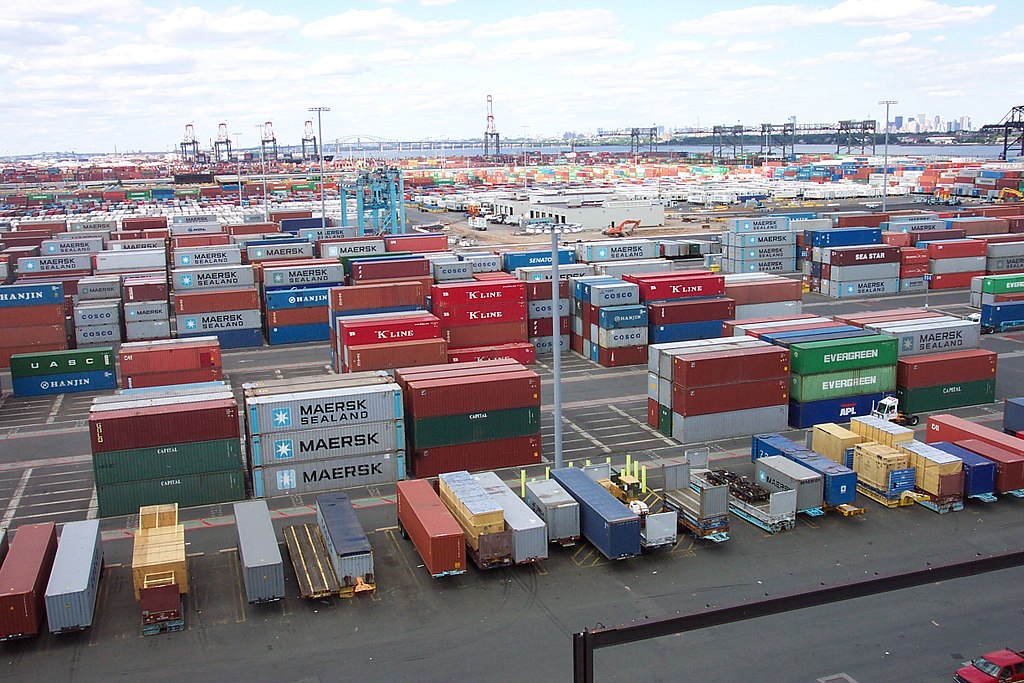
U.S. President Donald Trump announced a 30% tariff on goods imported from the European Union and Mexico, effective August 1, sparking immediate backlash from global leaders and economists.
EU Council President Antonio Costa criticized the tariffs as harmful to growth and inflationary. European Commission President Ursula von der Leyen emphasized the EU’s preference for negotiation but warned of “proportionate countermeasures” if no deal is reached. Spain’s Prime Minister Pedro Sanchez called the tariffs “unjustified,” and Dutch Prime Minister Dick Schoof labeled them “concerning,” reiterating full support for the EU Commission’s response strategy.
From Germany, VDA President Hildegard Mueller said unresolved car import tariffs and the new measures are costing companies billions. BDI’s Wolfgang Niedermark warned that the move threatens jobs and undermines transatlantic cooperation. Italian Prime Minister Giorgia Meloni’s office urged all sides to avoid polarization and stay focused on talks.
U.S. Senator Amy Klobuchar criticized the policy as a “$2,000+ Trump tariff tax” on American families. Ireland’s Trade Minister Simon Harris and economist Dan O’Brien both cautioned against escalation, highlighting the rising risk of a broader EU-U.S. economic conflict. Cyrus de la Rubia from Hamburg Commercial Bank argued that tariffs would ultimately hurt the U.S. more, triggering inflation and weaker growth. José Carlos Díez, professor at the University of Alcalá, said a 30% tariff would severely damage European exports, particularly industrial goods, and warned that such aggressive trade policy hasn't been seen since 1945.
As global markets brace for potential retaliation, pressure mounts on both sides to reach a resolution before the August deadline. The escalating U.S.-EU trade tensions could significantly impact global supply chains, inflation, and investor confidence.







