


 US Northeast Airports Resume Operations After Telecom Outage Disrupts Thousands of Flights
  Gold Prices Slip as Strong Dollar and Hawkish Fed Pressure Bullion
  Mexico Pushes for US Trade Deal Before Midterms
  Trump Administration Prepares Sanctions Against Entire ICC
  US, Japan and South Korea Back Taiwan Ahead of Trump-Xi Summit
  Gold Prices Rise as Oil Slump Eases Fed Rate Hike Fears
  UK Home Asking Prices Rise for First Time Since May
  Vietnam, US Trade Deal Could Be Signed Soon, To Lam Says
  Diana’s Brother Backs Security for Harry and Meghan
  Strait of Hormuz Oil Shipments Hit Six-Month High as U.S. Clears Mines
  France Debt-to-GDP Ratio Seen Hitting Record 119.3% in 2026
  Bolivia Approves $1.9 Billion IMF Financing Deal
  Trump Plans Military Complex Inside Washington Triumphal Arch
  Canada Unveils Bill to Fast-Track Major Resource Projects
  North Korea Fires Two Ballistic Missiles From Wonsan
  Australia Defends Social Media Algorithm Law Amid US Concerns
  Bessent, He Lifeng to Discuss AI Security and Trade in New York


 Add as a preferred source on Google
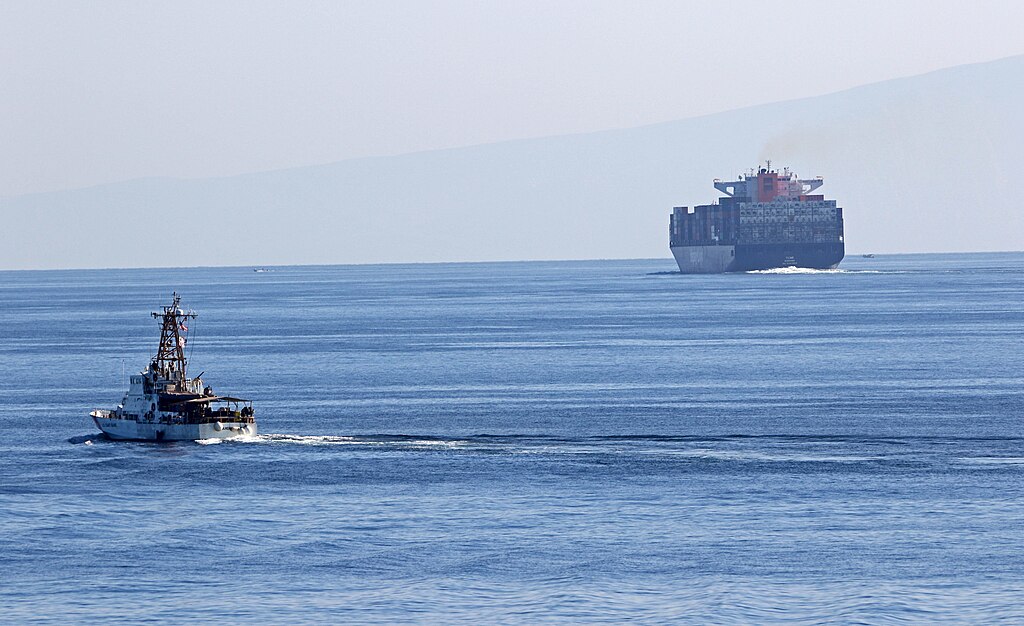
Shipping activity through the Strait of Hormuz has notably increased in recent days, appearing to validate statements made by U.S. President Donald Trump that Iran permitted a number of oil tankers to pass through the critical waterway as part of ongoing diplomatic talks.
At a Cabinet meeting, Trump revealed that Tehran allowed 10 oil tankers to transit the strait as a goodwill gesture during negotiations. "They said, to show you the fact that we're real and solid… we're going to let you have eight boats of oil… It ended up being 10 boats," Trump stated, calling the move a "present" from Iran amid active discussions.
Supporting data from Morgan Stanley aligns with this claim. The investment bank recorded three outbound tankers passing through the Strait on March 26 and revised its March 25 estimate upward to two vessels. Altogether, Morgan Stanley estimates approximately 12 vessels transited the Strait between March 23 and March 26 — a sharp contrast to just three vessels recorded during the previous four-day period from March 19 to 22.
This uptick follows a period of severe disruption driven by escalating tensions with Iran. Barclays commodity strategist Amarpreet Singh described the situation as producing "the largest geopolitical shock to energy markets since the 1990 Gulf War." The Strait of Hormuz, a vital chokepoint for global oil supply, handles a substantial portion of the world's daily crude shipments, meaning even modest traffic shifts carry significant weight in energy markets.
Singh further warned that a prolonged blockage could result in a loss of 13 to 14 million barrels per day, a scenario made more alarming given that global oil inventories were already tighter than they were before Russia's 2022 invasion of Ukraine.
While traffic levels remain below normal, the shift in direction is being closely watched as a potential early signal of de-escalation between the U.S. and Iran.







