


 Iran Vows ‘Crushing’ Response as US Talks Continue
  Russian Envoy Dmitriev Heads to US for Ukraine Talks
  Venezuela Promises Elections as Delcy Rodriguez Pledges Democratic Transition
  Sudan Rejects US Legitimacy Remarks, Defends Sovereignty
  Trump Administration Plans Faster FDA Reviews for Smoke-Free Nicotine Products
  Canada Unveils Bill to Fast-Track Major Resource Projects
  Lula and Flavio Bolsonaro Tied in Brazil Runoff Poll
  China Tightens Fentanyl Rules Ahead of Trump-Xi Summit
  Trump to Press Xi on Release of US Nuclear Expert Held in China
  US Officials Split Over Response to Israeli West Bank Settlements
  Burnham Eyes UK Leadership Role in AI Ahead of Trump Meeting
  Europe Warns Russia Is Escalating Hybrid Attacks Across NATO
  Russian Strikes Kill Eight Across Ukraine as Energy Sites Hit
  Ghana Says Western Support Growing for Slave Trade Reparations
  Macron Challenges Trump’s Gaza Peace Claims at UN
  Marco Rubio to Meet Russia’s Lavrov in New York
  Taiwan Vows to Advance US Arms Sales Ahead of Trump-Xi Meeting


 Add as a preferred source on Google
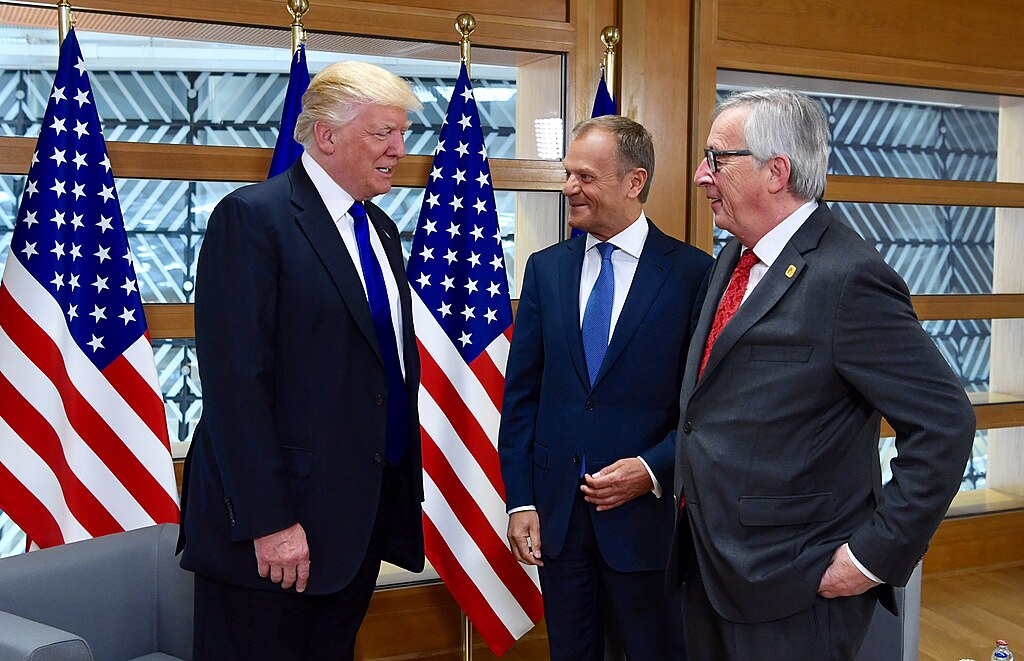
Former President Donald Trump is set to introduce sweeping changes to student loan policies in 2025, stirring significant debate among borrowers and policymakers alike. The proposed reforms, outlined as part of his broader education agenda, aim to overhaul repayment structures and shift the financial burden from taxpayers to individual borrowers.
Proposed Changes and Implications
Trump’s policy changes reportedly include the elimination of certain income-driven repayment plans, stricter enforcement of loan repayment timelines, and potentially ending federal forgiveness programs like Public Service Loan Forgiveness (PSLF). These changes could significantly alter the landscape for millions of borrowers who rely on such programs to manage their student debt.
One of the more controversial aspects of the proposed policies is the introduction of a fixed repayment cap based on a borrower's income but with stricter penalties for late payments. Critics argue this would disproportionately affect lower-income individuals who are already struggling to make ends meet. Supporters of the plan, however, view it as a long-overdue step toward addressing the nation’s $1.8 trillion student loan debt crisis.
According to Trump’s transition team, the changes are intended to “streamline the student loan process” and “ensure fairness for all taxpayers.” However, details on how these reforms will be implemented remain sparse, leaving borrowers and financial experts with unanswered questions.
Reactions and Controversy
The policy announcement has sparked fierce backlash, with many arguing that it prioritizes financial institutions over struggling students. Critics claim that these measures could exacerbate financial inequality and disproportionately harm those in public service professions who rely on PSLF.
Advocates of the changes argue that federal forgiveness programs have incentivized reckless borrowing and that the reforms are necessary to restore balance to the system. Trump’s campaign has also framed the policies as a push for personal accountability, urging students to "think critically" about the debt they accrue for higher education.
Netizens React
Social media has been flooded with reactions, both supportive and critical, reflecting the deeply polarizing nature of the issue:
- @DebtFreeDreams: "This will ruin lives. Some of us depend on PSLF to make our careers sustainable."
- @FairTaxGuy: "Finally! Why should taxpayers foot the bill for someone else’s college degree?"
- @StudentLoanHell: "Trump’s policies will just push more people into financial despair. It’s not a solution."
- @HardworkingMom: "I paid my loans without forgiveness. Everyone else should too. This isn’t charity!"
- @EduEquality2025: "This policy is a disaster waiting to happen. Students deserve better than this."
- @FiscalReformer: "Trump is addressing the real issue—unsustainable borrowing. Colleges need to lower tuition costs."
The Bigger Picture
As the details of Trump’s student loan policies emerge, the debate underscores the growing tension between financial accountability and support for struggling borrowers. While proponents argue the changes are a step toward fiscal responsibility, critics warn of dire consequences for millions of Americans carrying student debt.
With these sweeping changes slated for 2025, many borrowers are left wondering how they will navigate an increasingly uncertain financial future. Advocates and opponents alike await further clarification on Trump’s plans, but one thing is clear: the controversy surrounding student loans is far from over.







