


 Trump Board of Peace Unveils $2.45 Billion Gaza Recovery Plan
  US Plans Two New Military Bases in Greenland Under Arctic Deal
  China Tightens Fentanyl Rules Ahead of Trump-Xi Summit
  Venezuela Promises Elections as Delcy Rodriguez Pledges Democratic Transition
  Macron Challenges Trump’s Gaza Peace Claims at UN
  Carney Condemns Belleville Synagogue Shooting That Wounded Police Officer
  Russian Strikes Kill Eight Across Ukraine as Energy Sites Hit
  Burnham Eyes UK Leadership Role in AI Ahead of Trump Meeting
  Trump Scales Back Endangered Species Act Protections
  Scott Bessent Eyed as Trump’s New AI Czar
  Trump Says ‘Freedom’ Is Coming to Cuba
  UK, Mauritius Seek Diego Garcia Base Deal
  US, Japan and South Korea Back Taiwan Ahead of Trump-Xi Summit
  Trump Says U.S.-Iran Peace Deal Near After UN Talks
  Trump Administration Plans Faster FDA Reviews for Smoke-Free Nicotine Products
  US, China Extend Trade Truce to Jan. 10 Ahead of Trump-Xi Summit
  Macron, Trump Discuss Ukraine-Russia Energy Strike Moratorium


 Add as a preferred source on Google
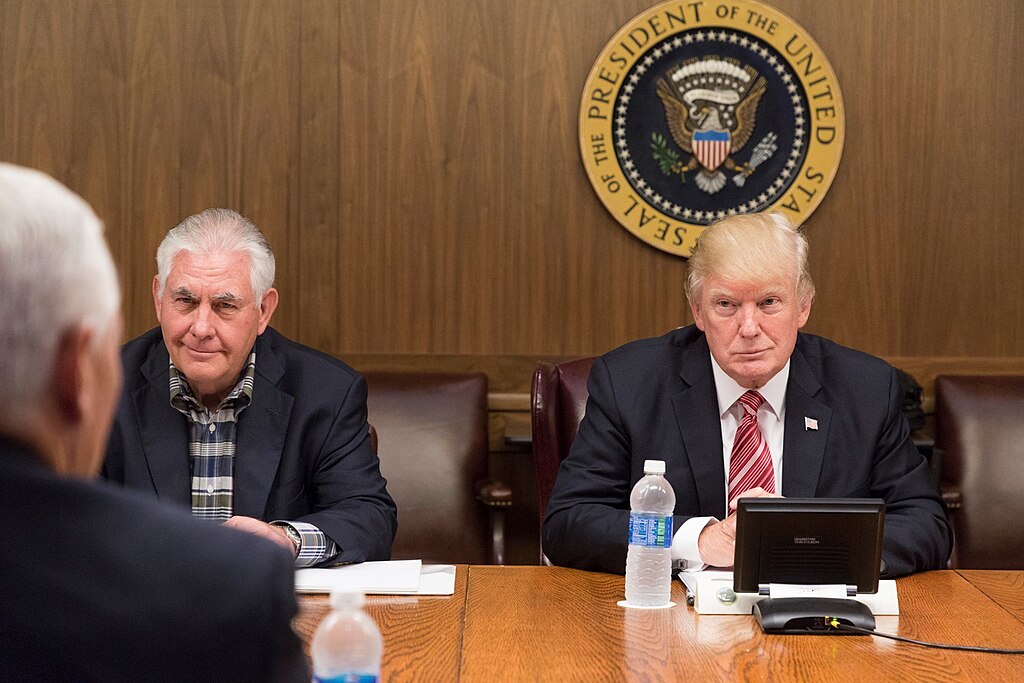
President Donald Trump’s anti-corruption measures in 2025 have reignited fierce debates, with sweeping initiatives aimed at increasing government transparency and rooting out fraud. However, critics have raised concerns about selective enforcement and potential political motivations behind some of the measures.
Sweeping Anti-Corruption Agenda Targets Government Waste
In his second term, Trump has prioritized a robust anti-corruption platform, citing a need to restore public trust in government. One of the flagship measures includes the creation of the Federal Integrity Task Force, tasked with investigating misuse of taxpayer funds, fraudulent contracting, and lobbying violations.
The administration also announced stricter disclosure requirements for federal employees and contractors, along with a zero-tolerance policy for ethical violations. Trump described the initiatives as critical to “cleaning up Washington” and eliminating what he calls “decades of unchecked corruption.”
“Americans deserve a government that works for them, not for itself,” Trump said during a press briefing. His administration claims that these measures will save billions annually and increase accountability in federal agencies.
Critics Raise Concerns Over Selective Enforcement
While the measures have drawn praise from Trump’s supporters, opponents argue that the policies target political rivals and deflect scrutiny from potential issues within Trump’s administration. Democrats, watchdog groups, and legal experts have accused the president of leveraging anti-corruption rhetoric to silence critics and consolidate power.
“The administration’s actions seem more about political optics than genuine reform,” said Jennifer Bryant, a spokesperson for the nonpartisan Citizens for Ethics in Government. She highlighted a lack of transparency regarding potential conflicts of interest within Trump’s own businesses.
In addition, some critics point to the uneven application of these policies, claiming that allies of the administration appear to receive leniency. The Federal Integrity Task Force has faced allegations of partisan bias in its investigations.
Public Reaction: A Nation Divided
As Trump’s anti-corruption policies take center stage, public opinion remains sharply divided. Social media platforms are abuzz with reactions from supporters and skeptics alike:
- @MAGA2025Patriot: “Finally, a president who puts the people first! It’s about time someone tackled corruption head-on.”
- @JusticeNowUSA: “Selective enforcement much? This administration’s hypocrisy is breathtaking.”
- @DrainTheSwamp4Good: “Accountability starts at the top. I hope Trump is holding his team to the same standards.”
- @ResistCorruption: “These measures sound great, but where’s the transparency? Why aren’t they investigating their own?”
- @TruthSeeker98: “Another distraction. This is about silencing opposition, not cleaning up government.”
- @RealAmericanVoice: “If you’re complaining, maybe you’re part of the swamp Trump is trying to drain!”
The Road Ahead for Anti-Corruption Reform
Despite the controversy, the Trump administration plans to expand its anti-corruption measures to include stricter campaign finance rules and enhanced whistleblower protections. However, analysts warn that without bipartisan cooperation, the initiatives risk being perceived as politically motivated.
Whether these measures will lead to meaningful reform or deepen partisan divisions remains uncertain. For now, Trump’s anti-corruption agenda continues to dominate headlines, sparking debate about the future of ethical governance in Washington.







