


 Diana’s Brother Backs Security for Harry and Meghan
  Michelle Bachelet Withdraws From UN Secretary-General Race
  Trump, Iran Trade Threats as Middle East Tensions Escalate
  US, Japan and South Korea Back Taiwan Ahead of Trump-Xi Summit
  Trump Sets High-Stakes UN Meetings With Zelenskiy, Gulf Leaders
  Trump Plans Military Complex Inside Washington Triumphal Arch
  Zelenskiy Meets CIA Chief John Ratcliffe at Ireland’s Shannon Airport
  Carney Condemns Belleville Synagogue Shooting That Wounded Police Officer
  Trump Open to Pezeshkian Meeting as Iran Tensions Escalate
  Trump Scales Back Endangered Species Act Protections
  Canada Unveils Bill to Fast-Track Major Resource Projects
  CNN, MS NOW and Politico Sue Trump Over White House Media Ban
  US Plans Two New Military Bases in Greenland Under Arctic Deal
  Macron, Trump Discuss Ukraine-Russia Energy Strike Moratorium
  North Korea Fires Two Ballistic Missiles From Wonsan
  AfD Wins German State Election as Merz’s CDU Hits Historic Low
  South Korea to Brief Lawmakers on $350 Billion US Investment Package


 Add as a preferred source on Google
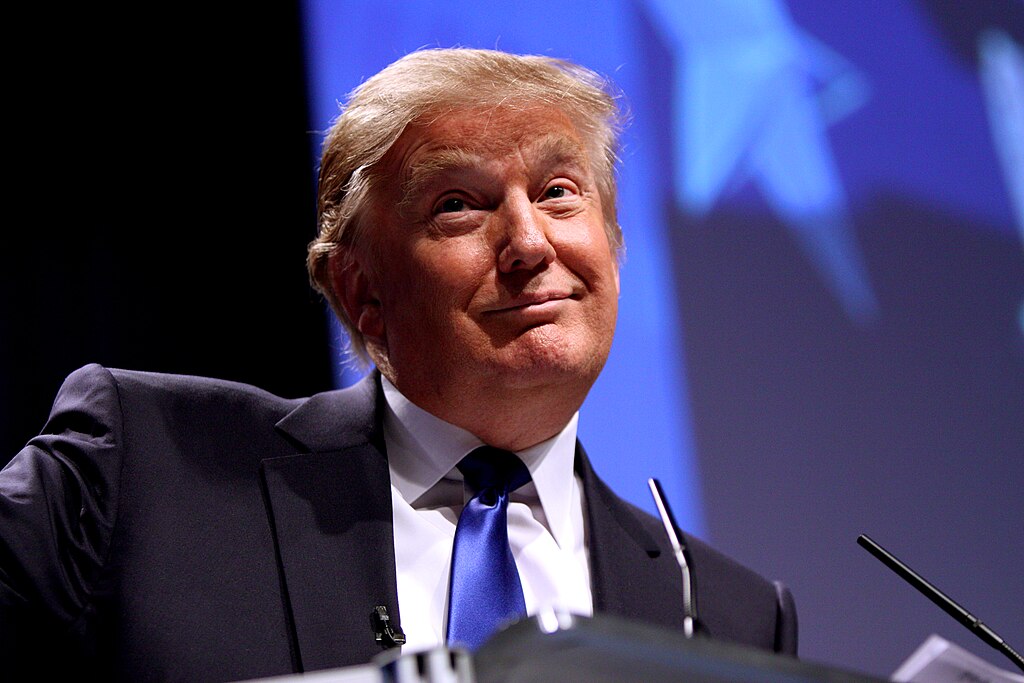
As President Donald Trump returns to the White House in 2025, his administration is rapidly moving to reshape voting rights in the United States. With a focus on election security and reform, the administration has introduced controversial measures that have ignited debates across political aisles, raising concerns about their impact on voter access and democratic principles.
A Push for Strict Election Reforms
Trump’s voting rights agenda prioritizes what he calls “election integrity,” advocating for nationwide voter ID laws, stricter regulations on mail-in ballots, and an end to same-day voter registration. These policies, according to the administration, aim to restore public trust in the electoral process following years of contentious debates over alleged voter fraud.
“We need to ensure that every vote cast is legal and verifiable,” Trump said during a recent rally. “Americans deserve elections they can trust.”
The administration has already proposed a sweeping federal bill that would mandate state compliance with its reforms. Critics argue the move encroaches on states' rights, while supporters praise it as a step toward uniform election standards.
Criticism Over Voter Access
Civil rights organizations and Democratic leaders have decried Trump’s measures, claiming they disproportionately affect marginalized communities, including low-income voters and people of color. Critics warn that the proposed restrictions could lead to widespread disenfranchisement, particularly in states that rely heavily on mail-in voting.
Stacey Abrams, a leading voice on voting rights, described the proposals as “a blatant attack on the democratic process.” Advocacy groups like the ACLU and NAACP have also vowed to challenge the administration’s actions in court.
“Instead of strengthening democracy, these policies threaten to weaken it by silencing vulnerable voters,” said Derrick Johnson, NAACP president.
Public Reaction Fuels Heated Debate
Trump’s voting rights stance has ignited fierce debates on social media, with opinions ranging from staunch support to vehement opposition. Netizens were quick to weigh in on the administration’s controversial approach:
-
@Patriot2025: “Finally, a leader who takes election security seriously! Trump’s reforms are exactly what America needs to prevent fraud.”
-
@VoteFairNow: “These laws are a thinly veiled attempt to suppress votes. Everyone deserves access to the ballot box!”
-
@ElectionWatcher: “Uniform voting standards make sense. But why does it feel like certain groups are being targeted?”
-
@Democracy4All: “Trump’s moves are a disgrace. Voting should be easier, not harder!”
-
@RedStateRules: “Liberals hate this because they know their system thrives on loopholes. Election integrity matters more than convenience.”
-
@RightsMatter2025: “This is the start of a slippery slope. What’s next, literacy tests?”
Legal Battles and Uncertain Outcomes
As Trump’s proposals gain traction, legal challenges are expected to delay their implementation. Several states, particularly those with Democratic leadership, have vowed to resist federal overreach on voting regulations. Experts predict prolonged court battles that could shape the future of American elections.
Despite mounting criticism, Trump remains steadfast, framing his reforms as essential to preserving democracy. However, the impact of these measures on voter participation and public confidence remains a contentious issue that will likely dominate political discourse in the coming months.







