


 Gérald Darmanin Backs Édouard Philippe for 2027 French Presidential Election
  Philippines Confident in U.S. Defense Commitment Despite Middle East Redeployment
  Gaza Zoo Struggles to Save Animals Amid War
  Trump Says Iran Should Surrender as Nuclear Deal Talks Stall
  Trump Administration Allocates $206 Million for Gaza Peacekeeping Force
  Pentagon Weighs Permanent U.S. Military Drawdown in Persian Gulf
  Trump Eyes 15% Tariff on Canadian Auto Imports in New Trade Deal
  Israel, Syria Discuss Turkey’s Military Presence Before Airstrike
  Trump Says Iran Talks Halted as Strait of Hormuz Dispute Fuels Oil Concerns
  US, South Korea Cut Joint Military Drills as Trump Seeks North Korea Talks
  Trump Says Kim Jong Un Responded to Outreach After US Scales Back South Korea Military Drills
  Trump Approval Rating Hits Presidency Low as Iran War Concerns Grow
  Prince Harry and Meghan Markle Reportedly Plan UK Move With Children
  Ukraine Names Yevhenii Khmara Defence Minister Amid Election Row
  Trump Pauses 50% Canada Tariffs for Three Days as U.S. Trade Deal Takes Shape
  US, South Korea Cut Joint Military Drills After Trump Orders Reduced Role


 Add as a preferred source on Google
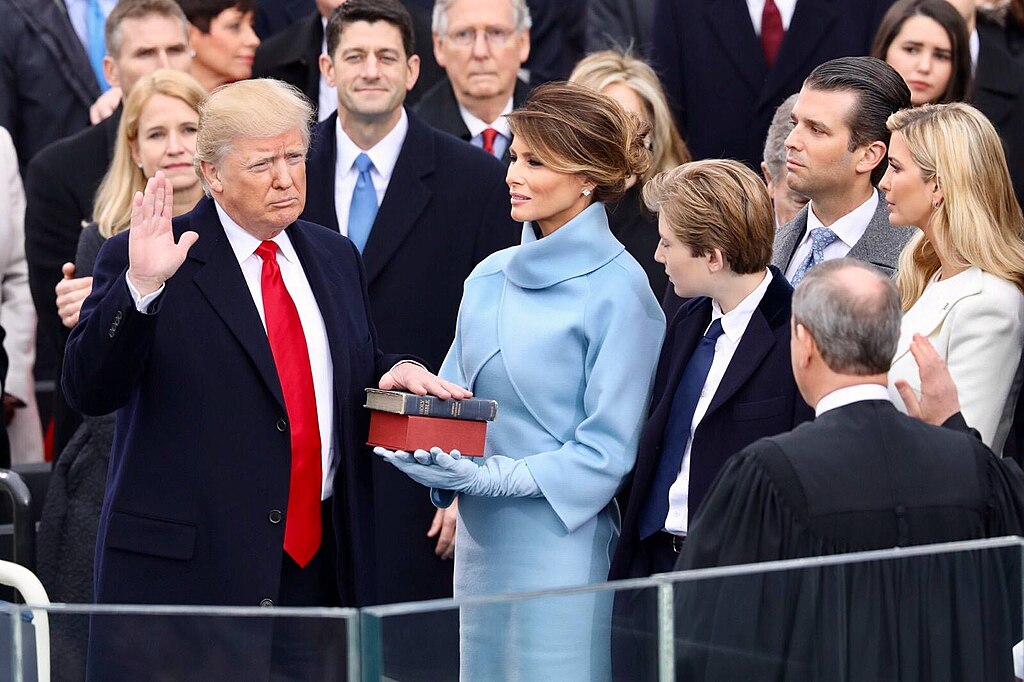
President-elect Donald Trump’s recent announcement of a 25% tariff on goods from Mexico has ignited fierce debate across political and economic circles. The controversial move, aimed at curbing illegal drug trafficking and migration, has drawn sharp criticism and prompted a direct response from Mexican President Claudia Sheinbaum Pardo. However, claims circulating on social media that Sheinbaum pledged to halt migrant caravans have been debunked, raising questions about the narrative surrounding the tariff threats.
Mexico Pushes Back Against Tariff Claims
In a detailed letter addressed to Trump, Sheinbaum outlined Mexico’s ongoing efforts to manage migration and combat drug trafficking, emphasizing that her administration has already reduced border crossings significantly. She cited U.S. Customs and Border Protection (CBP) data indicating a 75% decrease in encounters at the U.S.-Mexico border from December 2023 to November 2024. Additionally, she highlighted the success of the CBP One program, through which half of the migrants crossing the border now arrive via legally scheduled appointments.
Contrary to claims made by conservative commentators, Sheinbaum’s letter does not include any new commitments to block caravans. Instead, it underscores the existing policies and challenges Trump’s rhetoric about Mexico’s role in migration and drug-related issues.
“Migrant caravans no longer arrive at the border,” Sheinbaum stated, attributing the decline to comprehensive policies already in place. The letter also called for a collaborative approach to address the root causes of migration and drug trafficking, warning that tariffs would strain economic ties between the two nations.
Debunking the Claims
Conservative voices, including Turning Point USA’s Charlie Kirk and news director Eric Daugherty, took to social media to claim that Sheinbaum had capitulated to Trump’s tariff threats. However, their assertions misrepresented the content of Sheinbaum’s letter. Fact-checkers, including Newsweek, confirmed that Sheinbaum’s statements were a continuation of Mexico’s established policies rather than a reaction to Trump’s announcement.
Sheinbaum also used the letter to highlight other pressing concerns, including the trafficking of firearms from the U.S. into Mexico and the need for international cooperation to combat the fentanyl crisis. She argued that tariffs would jeopardize economic stability and urged dialogue over threats as the path forward.
Netizens React to the Controversy
Social media erupted with reactions to the claims, with users weighing in on both sides of the debate:
-
@BorderWatcher2024: “Sheinbaum isn’t playing games. Trump’s tariffs are just political theater. Mexico’s policies were already working.”
-
@TruePatriotTX: “This is the Trump effect! Mexico knows they can’t mess with us anymore. America first!”
-
@FactCheckFan: “Why spread lies when the facts are clear? Sheinbaum’s letter didn’t promise anything new. Stop the spin.”
-
@TradeExpert101: “Tariffs are a lose-lose. Mexico is right—this will hurt jobs and trade for both countries.”
-
@MigrationMatters: “Finally, someone is addressing the root causes of migration instead of resorting to empty threats.”
-
@NewsJunkie: “Both sides need to sit down and hash this out. Tariffs won’t solve the real issues.”
Economic and Political Implications
As the U.S. prepares for Trump’s presidency, the debate over tariffs and migration policies underscores the complex relationship between the two nations. Sheinbaum’s letter, while forceful, reflects the challenges of balancing domestic pressures with international diplomacy.







