


 Vietnam, US Trade Deal Could Be Signed Soon, To Lam Says
  Trump Sets High-Stakes UN Meetings With Zelenskiy, Gulf Leaders
  Trump Scales Back Endangered Species Act Protections
  Trump-Xi Summit Puts Trade Truce and Taiwan in Focus
  United Russia Leads Russia Election as Ukraine Drones Hit Moscow
  Denmark Says Greenland Sovereignty Protected in US Military Deal
  Canada Unveils Bill to Fast-Track Major Resource Projects
  Zelenskiy Meets CIA Chief John Ratcliffe at Ireland’s Shannon Airport
  Diana’s Brother Backs Security for Harry and Meghan
  Michelle Bachelet Withdraws From UN Secretary-General Race
  US, Denmark and Greenland Set to Sign Arctic Security Deal
  UK, Mauritius Seek Diego Garcia Base Deal
  Burnham Eyes UK Leadership Role in AI Ahead of Trump Meeting
  South Korea to Brief Lawmakers on $350 Billion US Investment Package
  Paramount-Warner Bros $110 Billion Deal Draws Antitrust Backlash
  Trump Administration Prepares Sanctions Against Entire ICC
  Carney Condemns Belleville Synagogue Shooting That Wounded Police Officer


 Add as a preferred source on Google
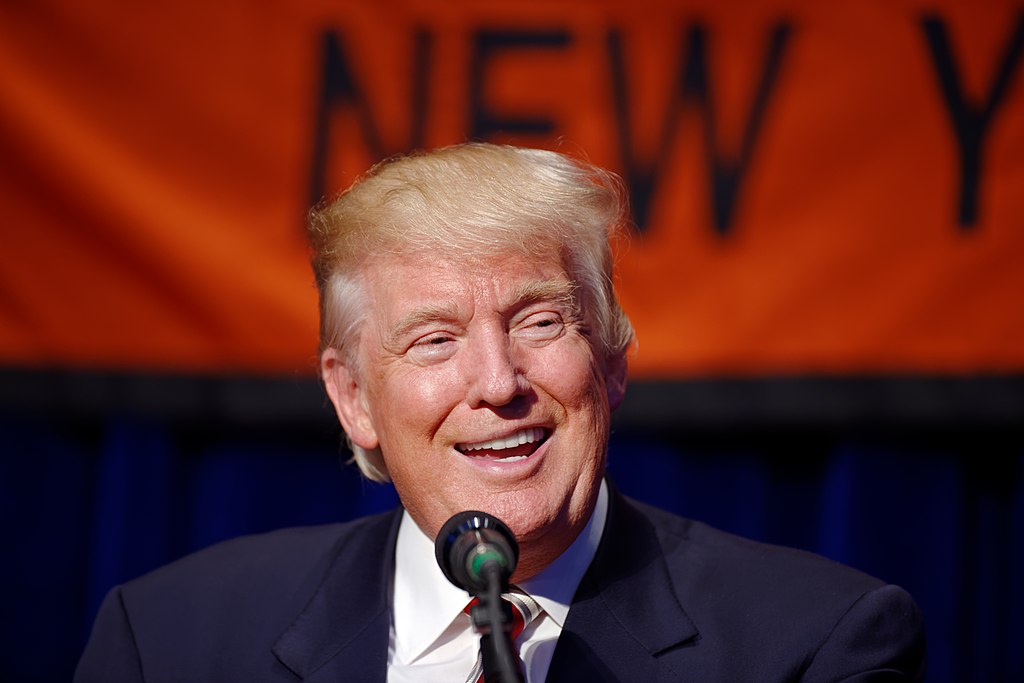
In a bold economic pledge, Donald Trump has vowed to impose a 100% tariff on any country that abandons the U.S. dollar as its primary currency in international trade, a move that could significantly escalate global trade tensions if implemented. The former president’s proposal, made during a recent campaign rally, is part of his broader strategy to protect the U.S. economy and assert American dominance in global financial markets as he ramps up his 2024 presidential campaign.
Trump’s vow comes at a time when several nations have expressed interest in reducing their reliance on the U.S. dollar in favor of other currencies, such as the Chinese yuan or the euro. Countries like China and Russia have taken steps to establish alternative payment systems and shift trade agreements away from the dollar in recent years, leading to growing concern among U.S. policymakers about the long-term stability of the dollar’s role as the world’s reserve currency.
Trump’s proposal to enact a 100% tariff on such countries represents an aggressive stance that would likely disrupt global trade relationships and further complicate diplomatic ties. While intended to safeguard U.S. economic interests, the policy has already drawn criticism from economists and international trade experts, who warn that it could lead to retaliatory measures and harm American businesses that rely on global supply chains.
The U.S. dollar’s status as the world’s reserve currency has long been a cornerstone of American economic power, allowing the U.S. to maintain lower interest rates and a dominant position in international finance. However, recent moves by countries like Brazil, India, and South Africa to explore alternatives to the dollar have sparked concerns about potential shifts in the global financial landscape.
Trump’s proposed tariff aims to discourage such moves, leveraging the U.S. market’s size and economic influence to punish countries that challenge the dollar’s supremacy. The former president’s message is clear: any nation that seeks to distance itself from the U.S. dollar will face significant economic consequences if he returns to the White House.
Critics of Trump’s approach argue that imposing blanket tariffs could backfire, leading to increased costs for American consumers and businesses. They point to the impact of Trump’s previous tariffs on China during his first term, which contributed to rising prices on goods ranging from electronics to agricultural products. Additionally, some warn that isolating the U.S. from key trading partners could weaken its position in global markets, particularly as other countries look to strengthen regional economic alliances.
Despite these concerns, Trump’s supporters view the tariff proposal as a necessary step to protect American interests in an increasingly competitive global economy. They argue that maintaining the U.S. dollar’s dominance is critical to national security and that strong measures are required to deter foreign nations from undermining its position.
As the 2024 election approaches, Trump’s stance on economic protectionism is expected to be a central theme of his campaign. Whether his proposed 100% tariff will resonate with voters or raise fears of trade wars and global economic instability remains to be seen.







