


 US Stock Futures Rise as Meta Muse Fuels AI Rally
  Soybean Futures Slip as Traders Await Trump-Xi Trade Signals
  Asian Stocks Fall as Bond Yields Surge Ahead of Trump-Xi Summit
  US, China Extend Trade Truce to Jan. 10 Ahead of Trump-Xi Summit
  Asian Currencies Mixed as Dollar Holds Near Two-Month High
  Russian Envoy Dmitriev Heads to US for Ukraine Talks
  Oil Prices Jump 3% as Houthi Attack Revives Supply Fears
  European Stocks Fall as Bond Yields and Geopolitical Risks Weigh
  US Stock Futures Fall as Treasury Yields Surge Ahead of Trump-Xi Summit
  Asian Stocks Mixed Ahead of Trump-Xi Meeting
  Oil Prices Surge as U.S.-Iran Diplomacy Hopes Fade
  Fed Unveils Stablecoin Rules Under GENIUS Act
  Oil Prices Ease as Iran Tensions Clash With Diplomacy Hopes
  Japan Private-Sector Growth Slows as Domestic Demand Weakens
  Dollar Hits Two-Month High as Fed Rate Hike Bets Rise
  Gold Prices Fall as Treasury Yields Rise on Fed Rate Hike Bets
  US Dollar Hits Two-Month High as Fed Rate Hike Bets Rise


 Add as a preferred source on Google
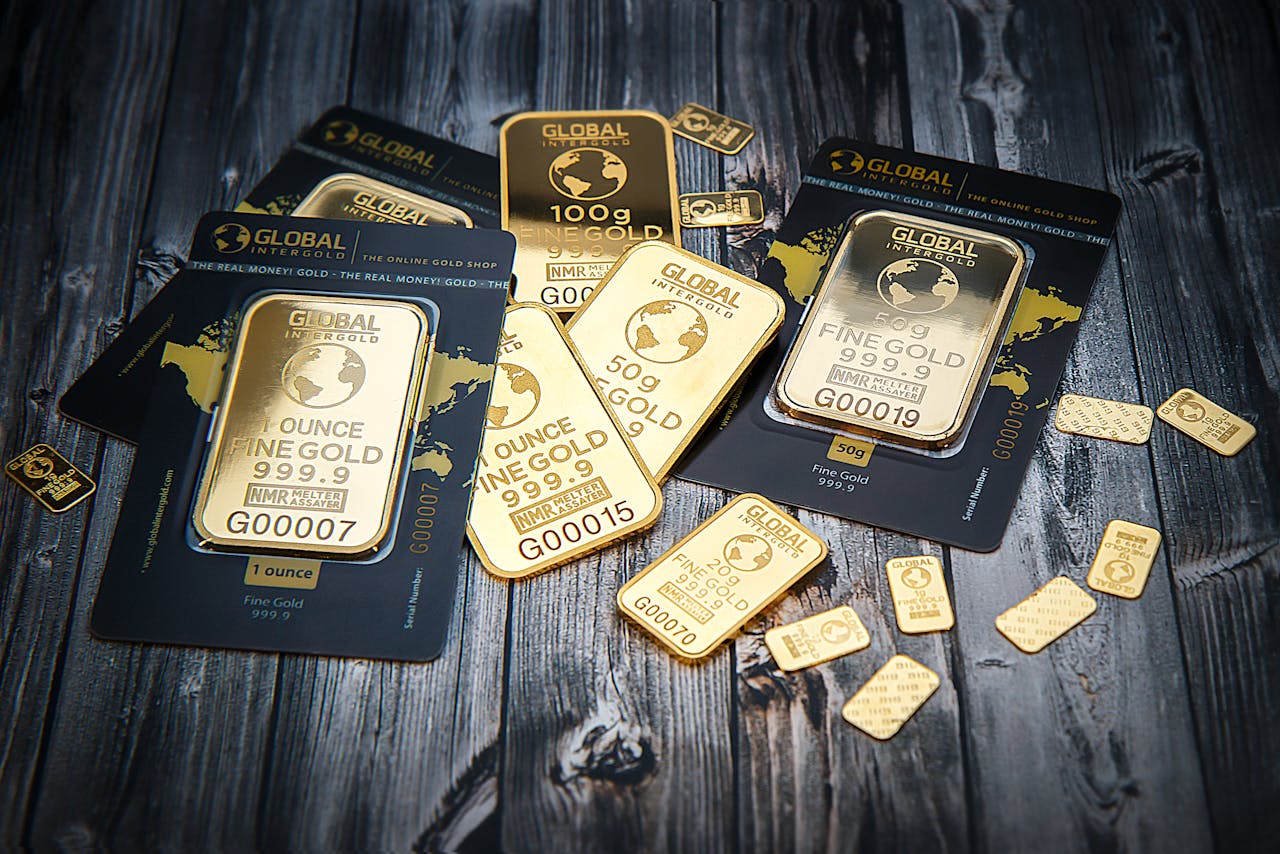
Gold prices rallied sharply on Friday, putting the precious metal on track for its strongest weekly performance since late January as a weaker U.S. dollar, lower oil prices and softer Federal Reserve rate hike expectations boosted demand.
Spot gold climbed 2.4% to $4,343.46 per ounce, while U.S. gold futures gained a similar 2.4% to $4,402.67 per ounce. Both were trading at their highest levels since early June and were set to finish the week more than 7% higher.
The latest gold price rally accelerated after U.S. employment data raised concerns about the strength of the labor market. Nonfarm payrolls declined by 23,000 in July, sharply missing expectations for an increase of 85,000. May and June employment figures were also revised down by a combined 103,000 jobs. The unemployment rate, however, edged lower to 4.1% from 4.2%.
Weak payroll figures prompted traders to reduce expectations that the Federal Reserve will raise interest rates at its September meeting. CME FedWatch data showed the probability of a 25-basis-point Fed rate hike falling to 44% from 55% a day earlier.
The report complicates the Fed's policy outlook. Persistent inflation, partly driven by volatile energy markets and Middle East tensions, could support tighter monetary policy. At the same time, signs of weakening employment may encourage policymakers to keep rates unchanged. Upcoming U.S. CPI inflation data could therefore play a major role in determining the Fed's next move.
Lower interest rate expectations generally support gold because bullion does not pay interest. A weaker dollar can also increase gold demand by making the metal cheaper for buyers using other currencies.
Investors are also closely monitoring developments in the Middle East. Reports indicated progress toward a potential agreement involving Iran, Oman and the United States to reopen the Strait of Hormuz. However, continued regional attacks have kept uncertainty elevated.
Brent crude prices remained volatile as traders assessed the possibility of renewed shipping flows through the strategic waterway. Any prolonged disruption could push energy prices and inflation higher, potentially influencing both Federal Reserve policy and the outlook for gold prices.







