


 Trump Administration Prepares Sanctions Against Entire ICC
  Trump to Press Xi on Release of US Nuclear Expert Held in China
  US, Japan and South Korea Back Taiwan Ahead of Trump-Xi Summit
  Zelenskiy Meets CIA Chief John Ratcliffe at Ireland’s Shannon Airport
  Marco Rubio to Meet Russia’s Lavrov in New York
  Taiwan Vows to Advance US Arms Sales Ahead of Trump-Xi Meeting
  Burnham Eyes UK Leadership Role in AI Ahead of Trump Meeting
  CNN, MS NOW and Politico Sue Trump Over White House Media Ban
  UK, Mauritius Seek Diego Garcia Base Deal
  Russian Strikes Kill Eight Across Ukraine as Energy Sites Hit
  US, Denmark and Greenland Set to Sign Arctic Security Deal
  Canada Unveils Bill to Fast-Track Major Resource Projects
  South Korea to Brief Lawmakers on $350 Billion US Investment Package
  Trump Says U.S.-Iran Peace Deal Near After UN Talks
  Scott Bessent Eyed as Trump’s New AI Czar
  Trump Scales Back Endangered Species Act Protections
  Trump-Xi Summit Puts Trade Truce and Taiwan in Focus


 Add as a preferred source on Google
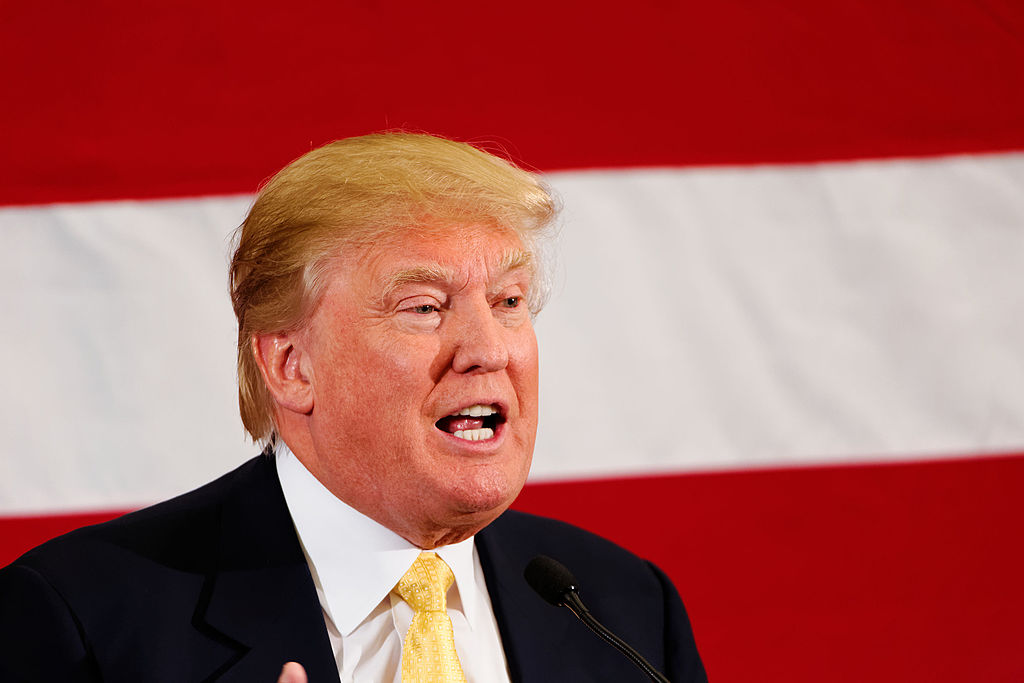
Donald Trump has made a sweeping promise to his base, pledging that if re-elected in 2024, his first order of business will be to pardon what he calls "political prisoners" who have been targeted by the Biden-Harris administration. This announcement marks a dramatic escalation in Trump's rhetoric, further positioning himself as the defender of those he claims have been unjustly persecuted by the current government.
The former president’s promise, which has quickly become a rallying cry among his supporters, is aimed at individuals who Trump argues have been wrongfully targeted by the Department of Justice and federal authorities during President Joe Biden's tenure. Although Trump did not specify the individuals he considers "political prisoners," the message is widely interpreted to refer to those charged in connection with the January 6 Capitol riots, as well as other high-profile cases involving conservative activists and figures.
Trump’s framing of his potential return to the White House as a fight against political persecution plays directly into his broader campaign narrative of being the champion of the so-called “forgotten” Americans. By casting those facing charges as victims of a biased justice system, Trump seeks to galvanize his base with the idea that his administration will stand up against what he views as overreach by the Biden-Harris government.
The promise of mass pardons underscores the former president's continued grip on the GOP and his strategy to position himself as the protector of his supporters. It also signals a stark contrast between Trump and Biden’s administration, which has taken a firm stance on prosecuting individuals involved in the January 6 insurrection and others accused of violence or threats against federal officials. Trump’s declaration not only targets legal actions taken during Biden’s presidency but also directly challenges the legitimacy of the current administration’s law enforcement efforts.
Critics have been quick to condemn Trump’s vow, arguing that it represents a dangerous move to politicize the justice system and undermine the rule of law. Legal experts have warned that such a blanket pardon would set a troubling precedent, potentially shielding individuals who committed serious crimes under the guise of political persecution. The move has also raised concerns about further deepening divisions in the country, as it taps into already heightened political polarization.
Despite the controversy, Trump’s pledge resonates strongly with his core supporters, many of whom see his fight against the so-called "deep state" as central to his political identity. His commitment to issuing pardons on day one of a second term plays into the belief that the justice system has been weaponized against conservatives, a narrative that has gained traction among a significant portion of the Republican base.
As Trump continues his campaign for the GOP nomination in 2024, his promise to pardon “political prisoners” will likely remain a key talking point. Whether this bold pledge will help him secure the Republican nomination — and ultimately the presidency — remains to be seen, but it underscores his unwavering commitment to his most loyal supporters.







