


 US Plans Two New Military Bases in Greenland Under Arctic Deal
  Paramount-Warner Bros $110 Billion Deal Draws Antitrust Backlash
  Iran Vows ‘Crushing’ Response as US Talks Continue
  UK, Mauritius Seek Diego Garcia Base Deal
  Trump Administration Prepares Sanctions Against Entire ICC
  Marco Rubio to Meet Russia’s Lavrov in New York
  Macron, Trump Discuss Ukraine-Russia Energy Strike Moratorium
  Trump Meets Venezuela’s Delcy Rodriguez at UN Assembly
  Burnham Eyes UK Leadership Role in AI Ahead of Trump Meeting
  Taiwan Vows to Advance US Arms Sales Ahead of Trump-Xi Meeting
  US, Denmark and Greenland Set to Sign Arctic Security Deal
  Trump Scales Back Endangered Species Act Protections
  Scott Bessent Eyed as Trump’s New AI Czar
  Vietnam, US Trade Deal Could Be Signed Soon, To Lam Says
  Lula and Flavio Bolsonaro Tied in Brazil Runoff Poll
  China Tightens Fentanyl Rules Ahead of Trump-Xi Summit
  Carney Condemns Belleville Synagogue Shooting That Wounded Police Officer


 Add as a preferred source on Google
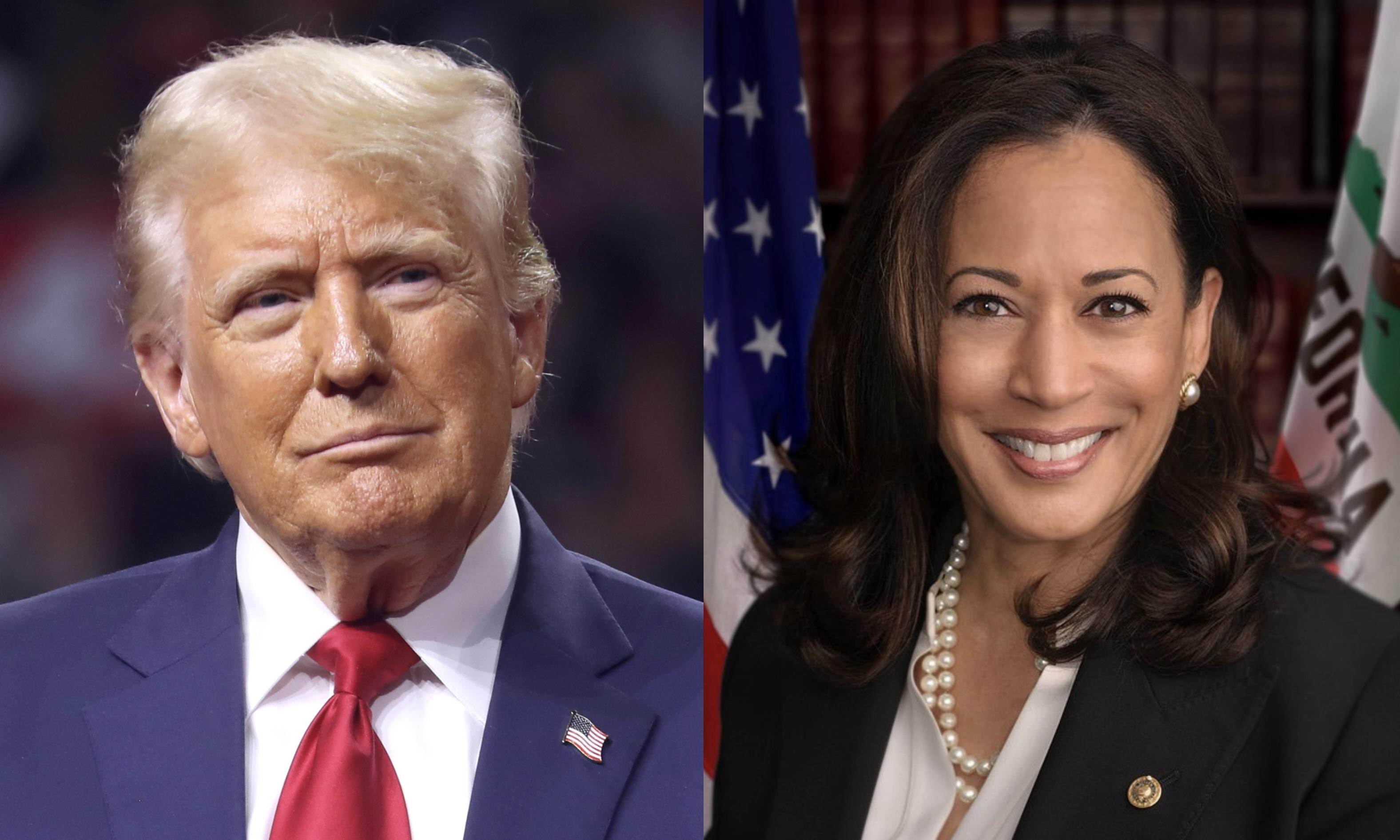
In a closely watched poll released by Monmouth University, Democrats have edged ahead of Republicans by a narrow 2-point margin on the generic congressional ballot, suggesting a potential shift in voter sentiment as the 2024 election cycle intensifies. According to the survey, conducted among 802 registered voters between October 17 and 21, 47% of respondents indicated they would back Democratic candidates in congressional races, while 45% leaned toward Republican contenders.
While the margin is tight, it marks a noteworthy lead for Democrats amidst months of fluctuating support for both major parties. For Democratic strategists, the latest figures represent a hopeful sign that their message is resonating with voters despite recent challenges. However, GOP insiders argue that the poll’s slim lead offers no clear indication of a significant shift, stressing that races across the country remain highly competitive.
The Monmouth Poll findings arrive amid heightened debates over key issues, including the economy, healthcare, immigration, and social policy. According to political analyst Jessica Greene, the Democrats’ two-point lead could reflect voter concerns around recent economic indicators and social policy shifts. “This slight lead shows that voters are listening to both parties, but there’s a nuanced lean toward Democrats right now,” Greene explained. “However, given the tight margin, the slightest misstep could sway undecided voters in either direction.”
For Republicans, the results serve as a reminder of the importance of voter engagement leading up to 2024. “The Democrats might have a slim lead today, but with a divided voter base, nothing is set in stone,” said Republican strategist Mark Hayes. “If Republicans continue to highlight core issues like inflation and border security, they stand to attract undecided and swing voters.” Hayes pointed out that midterm and off-cycle polls often reflect voter sentiment in the moment, emphasizing the need for continued campaigning across states where the competition is toughest.
The Monmouth Poll also highlighted demographic variations in voter preferences. Younger voters, for instance, leaned more Democratic, while older demographics showed stronger support for Republican candidates. Independent voters, a critical bloc for both parties, were more evenly split, underscoring the challenge each side faces in securing this decisive group.
Social media reactions to the poll were swift, with both parties’ supporters offering contrasting takes on the results. Democrats viewed the lead as a victory, with many optimistic about potential gains in Congress, while Republicans were quick to downplay the numbers, citing them as “temporary” and reflective of media influences rather than voter intentions. “Polls are nothing without the ballot box,” one GOP supporter tweeted, while a Democratic commenter responded, “This is just the beginning—get ready for a blue wave.”
Experts caution that while the Monmouth Poll offers a glimpse into current preferences, the dynamics of the upcoming election are likely to remain volatile, as both parties adapt their strategies to meet voter concerns. With nearly a year left until the 2024 election, these shifts in voter sentiment may ebb and flow based on candidates’ performances, campaign efforts, and public opinion on pressing issues.
As Democrats hold onto a slim lead, the results highlight the competitive nature of the race, setting the stage for a charged and unpredictable election season.







