


 Netanyahu’s Brief US Trip Highlights Strains With Trump
  North Korea Rejects Nuclear Test Warning, Calls Nuclear Status Irreversible
  Abbas Reaffirms November 28 Palestinian Elections
  Trump Asks Supreme Court to Restore Third-Country Deportations
  Kremlin Says No Decision Yet on Putin-Trump December Summit
  Najib Razak Seeks Stay of 15-Year 1MDB Prison Sentence
  Netanyahu Defends Israel at UN as Delegates Stage Walkout
  Ukrainian Drone Attacks Hit Russian Regions, Injuring at Least 12
  Netanyahu Takes Aim at Mamdani as Israel Election Nears
  Taiwan Thanks US for Support Ahead of Trump-Xi Summit
  Yemen Violence Displaces 130,000 as Civilian Toll Rises
  What ‘Taiwan Independence’ Means as Xi Presses Trump on US Policy
  Mexico-US Trade Talks Delayed to October as Tariff Negotiations Continue
  Ghana Says Western Support Growing for Slave Trade Reparations
  Saudi Arabia, Turkey and Pakistan Plan Urgent Defence Talks Over Houthi Attacks
  Xi Calls for Deeper U.S.-China AI Cooperation in Trump Talks
  South Korea, US Discuss Warship Building Cooperation


 Add as a preferred source on Google
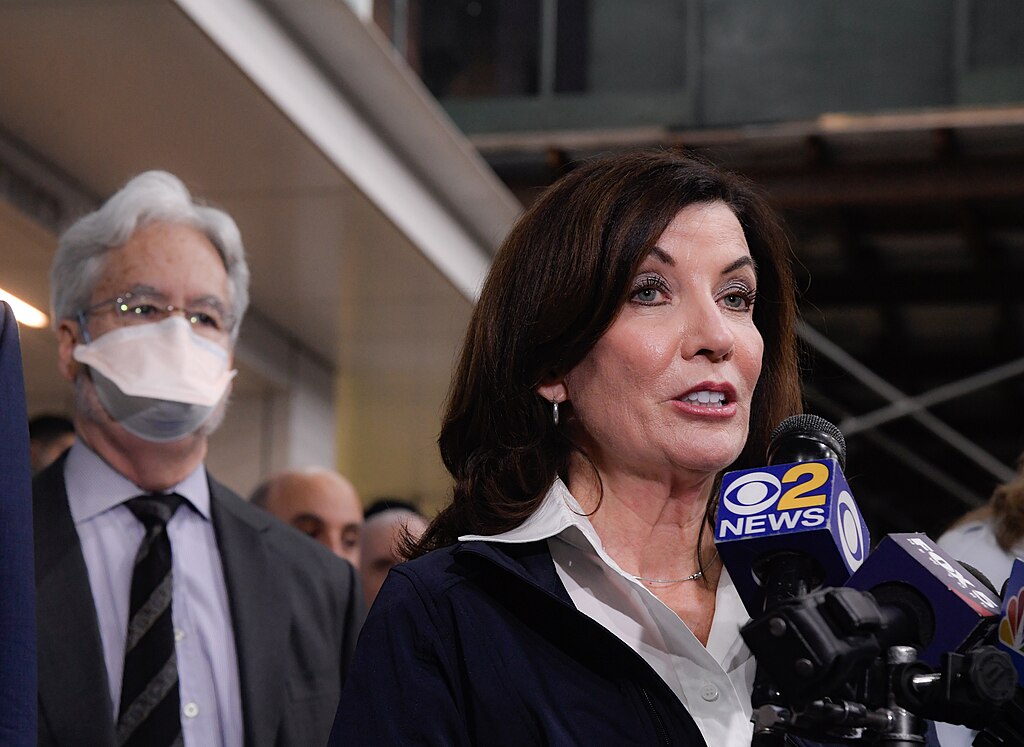
Four Democratic governors have formally urged the Trump administration to reverse its recent suspension of five offshore wind projects along the U.S. East Coast, arguing that the move is politically motivated and unsupported by evidence. In a letter sent Wednesday to U.S. Interior Secretary Doug Burgum, the governors challenged the administration’s claim that national security concerns justified the halt.
The letter was signed by New York Governor Kathy Hochul, Connecticut Governor Ned Lamont, Massachusetts Governor Maura Healey, and Rhode Island Governor Dan McKee. The governors emphasized that the offshore wind projects had already undergone extensive federal scrutiny, including environmental and national security reviews, before leases were granted. According to the governors, no federal agency, including the Department of the Interior or the U.S. Department of Defense, alerted their states to any newly identified national security risks prior to the suspensions.
The Interior Department announced earlier this week that it was suspending the leases due to national security issues. However, the governors strongly disputed that justification, stating that the sudden appearance of a “new national security threat” appeared to be a pretext rather than a legitimate finding. They suggested the decision aligns with President Donald Trump’s long-standing opposition to wind energy, which he has frequently criticized as expensive, inefficient, and visually unappealing.
The suspension represents another setback for offshore wind developers, many of whom have invested billions of dollars in large-scale renewable energy projects intended to support clean energy goals, job creation, and regional economic growth. The governors warned that continued disruptions to offshore wind development could undermine investor confidence, delay climate targets, and weaken U.S. leadership in renewable energy.
Federal agencies, including the Departments of the Interior and Commerce and the Environmental Protection Agency, have been acting under a broader directive to pause new approvals for both onshore and offshore wind projects while leasing and permitting practices are reviewed. Notably, earlier this month, a federal judge rejected the Trump administration’s attempt to halt all federal approvals for new wind energy projects, adding legal pressure to ongoing policy disputes.
As of publication, the Interior Department has not responded to requests for comment. The controversy highlights the growing tension between state-led clean energy initiatives and federal policy decisions impacting the future of offshore wind in the United States.







