


 DOJ Subpoenas New York Times Freelancer Over North Korea Military Report
  Former House Appropriations Chair Kay Granger Dies at 83
  NY Times Challenges Trump Administration Subpoenas Over Air Force One Report
  Brazil Supreme Court Tightens Jair Bolsonaro House Arrest Ahead of Election
  Brazil Rejects Visas for Trump Officials Ahead of Presidential Election
  Trump Election Order Blocked Again as Appeals Court Rejects Mail-In Voting Push in 23 States
  China Vows Retaliation Over U.S. Ban on Chinese Robots, Power Inverters
  Civil Rights Groups Sue Trump Administration Over Childcare Funding Freeze and Influencer's Role
  US-Backed Pediatric HIV Treatment Drops After Foreign Aid Changes, Study Finds
  Trump Tightens China Sourcing Rules for U.S. Defense Contractors
  Global Leaders Push Back as Trump Imposes New Forced Labor Tariffs
  Trump Administration Imposes New Forced Labor Tariffs on 60 Trading Partners
  Trump ICC Sanctions Challenged as Advocacy Groups File Free Speech Lawsuit
  Peru Court Frees Former President Ollanta Humala After Conviction Overturned
  Trump-Backed Russia Sanctions Bill Faces House Hurdles Over Tariff Powers
  AI Data Center Boom Faces New Risks as Public Backlash and Policy Scrutiny Grow
  Trump Announces Hamas Disarmament Deal Under Gaza Peace Plan


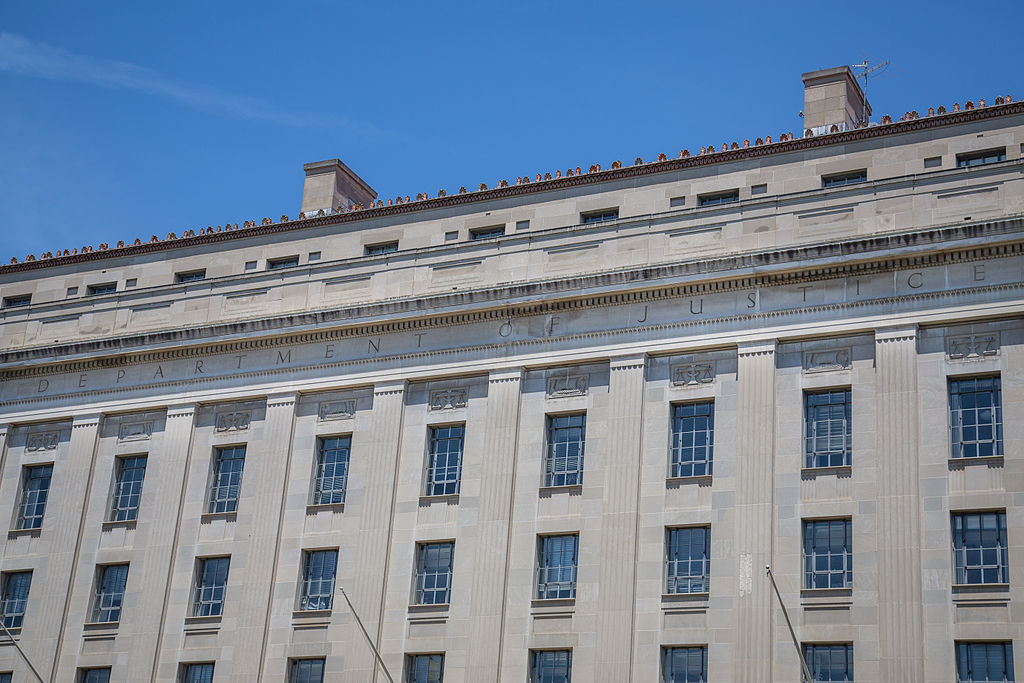
The U.S. Justice Department has rescinded an order establishing the controversial "Anti-Weaponization Fund" just days before the Senate Judiciary Committee is set to consider Todd Blanche’s nomination for attorney general, a move widely seen as addressing concerns raised by key Republican senators.
Acting U.S. Attorney General Todd Blanche announced on Sunday that he had revoked the May 18, 2026 order creating the fund. Blanche shared the signed order on X, confirming that the Justice Department had officially withdrawn the initiative before Tuesday’s Senate committee meeting on his nomination.
The decision follows objections from Republican Senators John Cornyn of Texas and Thom Tillis of North Carolina, who had delayed Blanche’s confirmation process while seeking written assurances that the Justice Department would not move forward with the fund.
The proposed Anti-Weaponization Fund had drawn criticism from opponents of President Donald Trump, who argued it could function as a taxpayer-funded mechanism to reward political allies. Critics labeled the initiative a potential "slush fund," raising concerns over how the money could be allocated and whether it might be used for partisan purposes.
Cornyn and Tillis maintained that eliminating the fund was a necessary condition for advancing Blanche’s nomination. Their opposition created uncertainty over the confirmation process, making the issue a key hurdle ahead of the Senate Judiciary Committee’s scheduled vote.
By rescinding the order, the Justice Department appears to have addressed one of the primary concerns blocking Blanche’s path to confirmation. The action could improve his prospects as lawmakers prepare to review his nomination.
The Senate Judiciary Committee is expected to meet on Tuesday to consider Blanche’s appointment as attorney general. The committee’s decision will determine whether his nomination advances to the full Senate for a confirmation vote.
The latest development underscores how policy decisions within the Justice Department can quickly become central issues in high-profile confirmation battles, with lawmakers closely scrutinizing departmental actions before approving senior leadership appointments.







