


 U.S. 10-Year Treasury Yield Hits 2007 High as Fed Rate Hike Bets Rise
  Asian Stocks Fall as Bond Yields Surge Ahead of Trump-Xi Summit
  US Dollar Hits Two-Month High as Fed Rate Hike Bets Rise
  European Stocks Fall as Bond Yields and Geopolitical Risks Weigh
  South Korea, US Discuss Warship Building Cooperation
  European Stocks Slip as Iran Tensions Offset Strong Eurozone Data
  Australia Unemployment Hits Five-Year High Despite Strong Jobs Growth
  RBI Uses $10 Billion Currency Swaps to Drain Excess Rupee Liquidity
  Wall Street Ends Flat as Oil, Treasury Yields and Fed Jitters Rattle Markets
  Trump, Xi Focus on Trade and AI at White House Summit
  China’s ‘Lipstick King’ Says AI Won’t Replace Livestream Hosts
  Oil Prices Jump 3% as Houthi Attack Revives Supply Fears
  Fed Unveils Stablecoin Rules Under GENIUS Act
  Oil Prices Surge as U.S.-Iran Diplomacy Hopes Fade
  US Stock Futures Fall as Treasury Yields Surge Ahead of Trump-Xi Summit
  Soybean Futures Slip as Traders Await Trump-Xi Trade Signals
  US 10-Year Treasury Yield at 6% Emerges as New Market Risk Threshold


 Add as a preferred source on Google
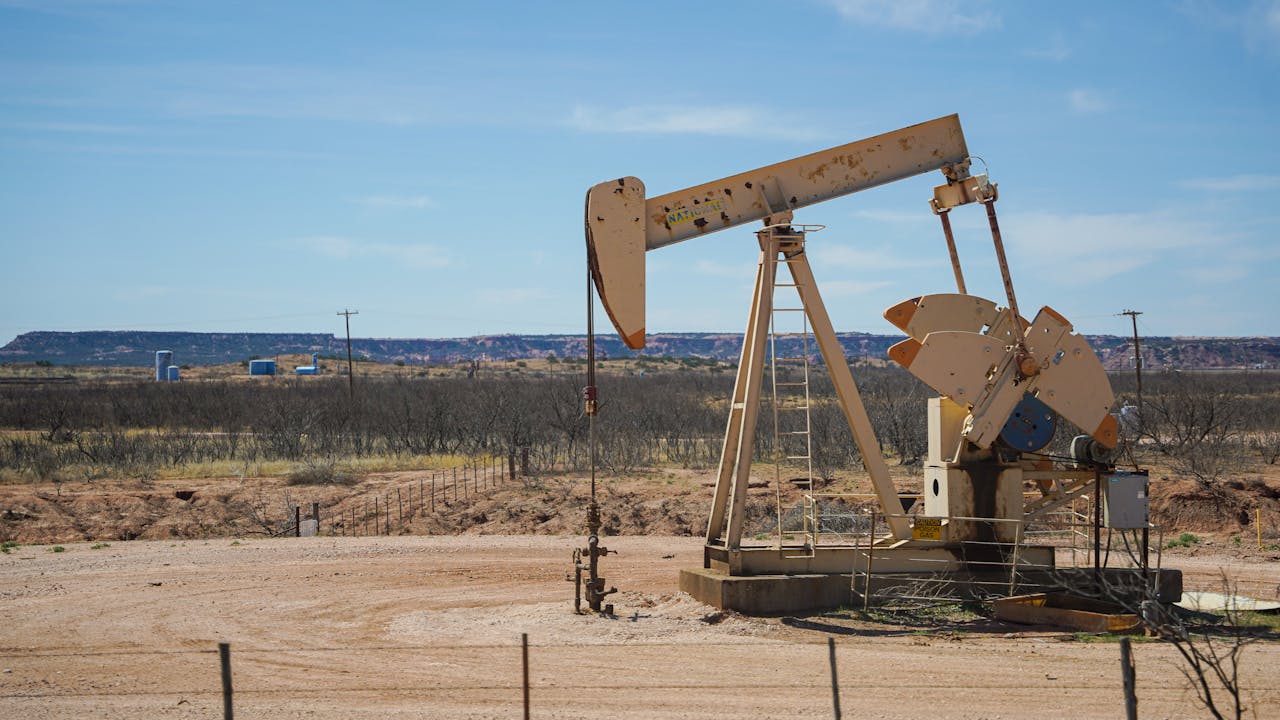
Oil prices fell sharply on Monday after U.S. President Donald Trump signaled he would delay launching a fresh military strike against Iran, raising hopes for a diplomatic agreement that could ease tensions in the Middle East and restore normal shipping through the Strait of Hormuz.
Brent crude futures dropped $4.08, or 4.64%, to $83.85 per barrel, while U.S. West Texas Intermediate (WTI) crude declined $4.01, or 4.74%, to $80.66. The decline followed a strong rally last month, when both benchmarks surged more than 20% as renewed conflict between the United States and Iran, along with attacks on oil tankers near Oman, heightened fears of supply disruptions.
Trump said on his Truth Social platform over the weekend that Iran and other Middle Eastern nations had requested additional time to finalize an agreement that would result in the immediate reopening of the Strait of Hormuz and eliminate Iran’s nuclear threat. The remarks boosted investor optimism that geopolitical risks affecting global oil supplies could begin to ease.
However, market participants remain cautious. IG market analyst Tony Sycamore warned that optimism could quickly fade if negotiations stall, noting that Iran could continue using its influence over the Strait of Hormuz through actions targeting U.S. military assets or commercial shipping.
Shipping activity remains under close watch. Two Saudi oil tankers successfully passed through the Bab el-Mandeb Strait over the weekend, while vessel traffic through the Strait of Hormuz slowed after reports of additional tanker attacks. The United Kingdom Maritime Trade Operations said three more tanker attacks had been reported since Saturday, underscoring ongoing security concerns in the region.
Meanwhile, OPEC+ agreed on Sunday to increase oil production quotas by about 188,000 barrels per day beginning in September, completing the reversal of one layer of voluntary production cuts. Despite the planned increase, analysts note that export disruptions linked to conflicts involving Iran and Ukraine have limited the real-world impact of recent OPEC+ supply hikes, leaving global oil markets highly sensitive to geopolitical developments.







