


 Saudi Arabia Shuts East-West Oil Pipeline After Drone Attack
  FDA Weighs Safety Standards for Psychedelic Therapies
  Synthetic data could ease people’s concerns about privacy breaches. But who gets to create it?
  Trump Grants Clemency to Jay-Z Associate Emory Jones
  CNN, MS NOW and Politico Sue Trump Over White House Media Ban
  Burnham Eyes UK Leadership Role in AI Ahead of Trump Meeting
  Australia Tightens Student Visa Rules, Targets Migration Cut by 2028
  US Immigration Arrests Surge as Deportations Lag Behind
  Trump Scales Back Endangered Species Act Protections
  Pentagon Restarts Testosterone Testing for US Troops
  US, Japan and South Korea Back Taiwan Ahead of Trump-Xi Summit
  Zelenskiy Meets CIA Chief John Ratcliffe at Ireland’s Shannon Airport
  Vietnam, US Trade Deal Could Be Signed Soon, To Lam Says
  Who should own the knowledge that underpins AI technology?
  Michelle Bachelet Withdraws From UN Secretary-General Race
  Carney Condemns Belleville Synagogue Shooting That Wounded Police Officer
  Trump-Xi Summit Puts Trade Truce and Taiwan in Focus


 Add as a preferred source on Google
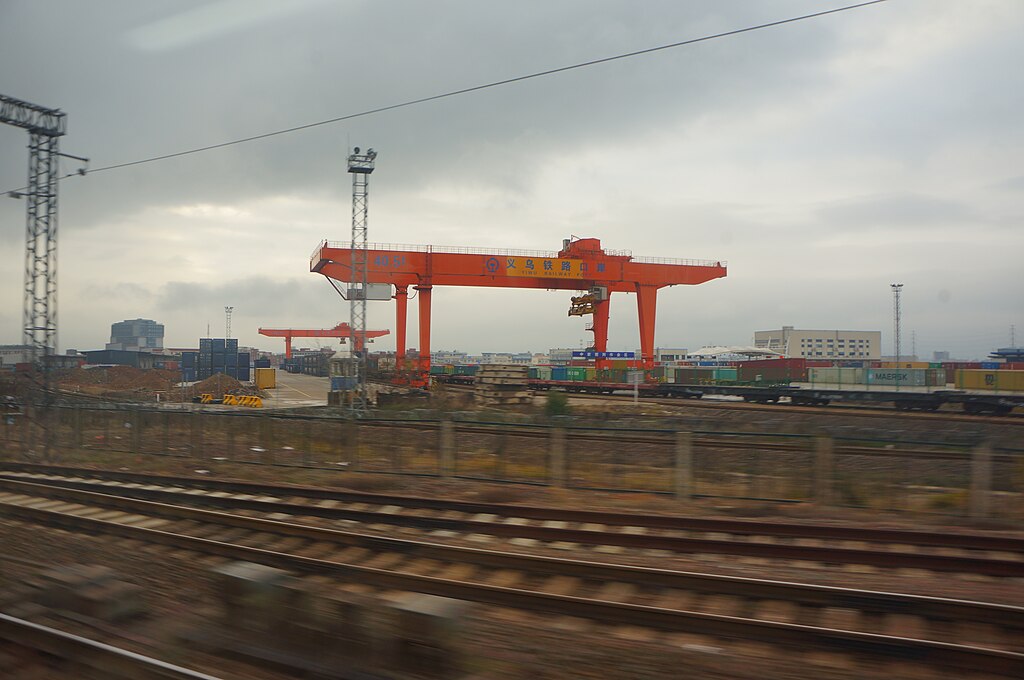
China on Thursday pledged to "resolutely retaliate" if the United States moves forward with restrictions targeting new Chinese-made robots and power inverters, escalating tensions in the ongoing U.S.-China technology and trade dispute.
In a statement, China’s Ministry of Commerce urged Washington to immediately withdraw the proposed measures, arguing that they unfairly discriminate against Chinese companies and products. The ministry said the restrictions represent another attempt to suppress Chinese industries under the guise of national security.
The response follows new measures announced by the U.S. Federal Communications Commission (FCC) on Tuesday. The agency said the proposals are designed to safeguard America’s expanding artificial intelligence infrastructure from potential national security risks while supporting efforts to bring critical manufacturing and advanced technology production back to the United States.
Beijing criticized the FCC for disregarding China’s repeated objections and continuing to tighten restrictions on Chinese technology firms. According to the commerce ministry, the United States has repeatedly expanded the definition of national security to justify trade barriers and investment restrictions.
Chinese officials argued that the proposed import ban on robots and power inverters distorts market competition and undermines global supply chains. The ministry described the measures as unilateral actions that harm the legitimate interests of both Chinese and American businesses, warning they could further disrupt commercial cooperation between the world’s two largest economies.
The latest dispute comes amid broader efforts by the United States to reduce reliance on Chinese technology in sectors considered strategically important, including artificial intelligence, advanced manufacturing, telecommunications, and clean energy infrastructure. Washington has increasingly cited national security concerns when imposing restrictions on Chinese technology products and suppliers.
China maintained that such policies violate the principles of fair competition and international trade while creating unnecessary uncertainty for global businesses. Beijing reiterated that it will take firm steps to protect its economic interests if the U.S. proceeds with the proposed restrictions, signaling that trade tensions between the two countries could intensify further as both sides continue to compete for leadership in emerging technologies.







