


 Lebanon Lawyers Seek Probe Into Banker Over Alleged Netanyahu Dinner in Washington
  Brazil Court Bars Flavio Bolsonaro From Visiting Jair Bolsonaro Ahead of Election
  U.S., Saudi Forces Launch Precision Strikes on Iran-Backed Militants in Iraq
  Warner Bros. Discovery Shares Rise as Newsom Pushes Settlement in $110 Billion Merger Fight
  North Korea Warns U.S. Forces Japan Expansion Raises Korea Conflict Risk
  EEOC Drops Penn Subpoena in Antisemitism Probe, Investigation Continues
  Trump Says U.S. ICC Campaign Aims to Protect Netanyahu, Not Himself
  Spain Deploys Troops as Ceuta Faces Major Migrant Surge From Morocco
  Juan Orlando Hernandez Seeks Dismissal of Honduras Charges After Trump Pardon
  Trump-Backed Russia Sanctions Bill Faces House Hurdles Over Tariff Powers
  Johnson & Johnson Proposes $5.5 Billion Talc Settlement to Resolve U.S. Ovarian Cancer Lawsuits
  Suez Canal Shipping Faces New Risk After Drone Strike on Gas Tankers in Egypt
  Brazil Supreme Court Tightens Jair Bolsonaro House Arrest Ahead of Election
  DOJ Refuses to Release Unredacted Jeffrey Epstein Files to New Mexico Investigation
  UN Warns of Rising Israeli Settler Violence in West Bank as Palestinian Death Toll Grows


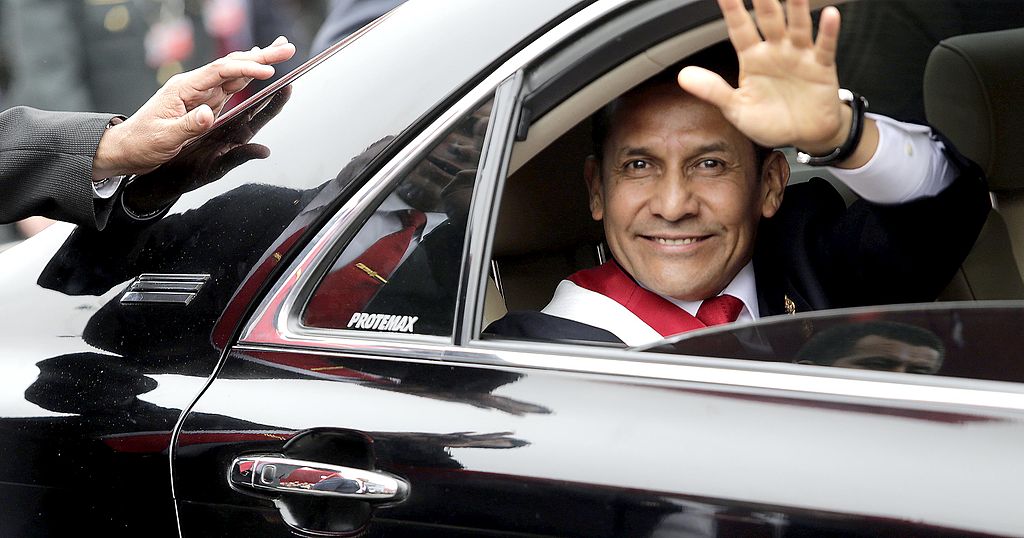
Former Peruvian President Ollanta Humala was released from prison on Friday after Peru’s Constitutional Court overturned his 15-year conviction for money laundering, marking a significant development in one of the country’s most closely watched political corruption cases.
Humala walked free from a special detention facility that houses several former Peruvian presidents who have faced criminal investigations or convictions. His release follows the Constitutional Court’s decision to reverse the sentence that had kept him behind bars after he was found guilty last year.
The former president had been convicted over allegations that his 2011 presidential campaign received illegal financial support from Brazilian construction company Odebrecht, now known as Novonor. The case was part of the broader Odebrecht corruption scandal, which has implicated political leaders and public officials across Latin America and triggered multiple investigations into campaign financing and public contracts.
Humala consistently denied wrongdoing throughout the legal proceedings. However, prosecutors argued that illicit campaign funds were funneled into his successful bid for Peru’s presidency, leading to the money laundering charges that resulted in his original conviction and 15-year prison sentence.
The Constitutional Court’s ruling effectively nullifies that conviction, allowing Humala to leave prison while adding another twist to Peru’s long-running legal and political battles involving former heads of state. The decision is expected to draw renewed attention to the country’s judicial system and the handling of high-profile corruption cases linked to the Odebrecht investigation.
The Odebrecht scandal has reshaped Latin American politics over the past decade, with numerous politicians, business executives, and government officials facing investigations or criminal charges related to alleged bribery and illegal campaign financing. Humala’s case became one of Peru’s most prominent examples of those investigations.
Humala’s release is likely to fuel further debate over judicial accountability, political corruption, and campaign finance laws in Peru. It also underscores the continuing legal and political fallout from the Odebrecht scandal, which remains one of the largest corruption investigations in the region and continues to influence Peru’s political landscape.







