


 CNN, MS NOW and Politico Sue Trump Over White House Media Ban
  Macron Challenges Trump’s Gaza Peace Claims at UN
  Meta Agrees to $18 Billion Settlement, Tightens Teen Social Media Rules
  Taiwan Vows to Advance US Arms Sales Ahead of Trump-Xi Meeting
  Kremlin Says No Grounds Yet for Ukraine Peace Talks
  Zelenskiy Meets CIA Chief John Ratcliffe at Ireland’s Shannon Airport
  Trump Administration Prepares Sanctions Against Entire ICC
  Nvidia-Groq AI Chip Deal Faces U.S. Antitrust Probe
  US Plans Two New Military Bases in Greenland Under Arctic Deal
  US Court Approves airBaltic Chapter 11 Restructuring
  Yindjibarndi Appeals Fortescue Mining Compensation Ruling
  Lula and Flavio Bolsonaro Tied in Brazil Runoff Poll
  Mahmoud Khalil Sues Columbia Over Alleged Pro-Palestinian Harassment
  Carney Condemns Belleville Synagogue Shooting That Wounded Police Officer
  Vietnam, US Trade Deal Could Be Signed Soon, To Lam Says
  Najib Razak Granted House Arrest Until 2028
  Trump Says ‘Freedom’ Is Coming to Cuba


 Add as a preferred source on Google
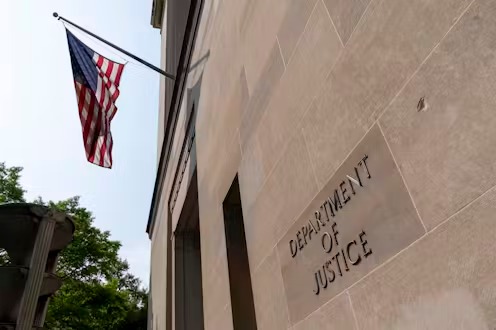
A federal appeals court has refused to let President Donald Trump's administration enforce key parts of his executive order tightening mail-in voting rules in 23 states, dealing another legal setback to the administration ahead of the November midterm elections that will determine control of Congress.
In a 2-1 decision on Saturday, the Boston-based 1st U.S. Circuit Court of Appeals declined the Justice Department's request to pause a lower court injunction issued on June 25. The ruling keeps the restrictions on hold while the administration continues its appeal.
The Justice Department argued that the lawsuit was premature because federal agencies had not yet finalized policies to implement Trump's March executive order. However, the appeals court agreed with U.S. District Judge Indira Talwani that the states already faced immediate pressure to prepare for new election procedures before the September and November elections.
The judges said the executive order imposed strict deadlines requiring states to coordinate with federal agencies and adjust election procedures, leaving them with little choice but to respond before the rules officially took effect.
The Trump administration has indicated it could ask the U.S. Supreme Court to intervene after a federal judge in Washington, D.C., previously rejected a separate Democratic challenge on procedural grounds.
Trump signed the executive order in March as part of his broader effort to strengthen election security and tighten mail-in voting rules. The order directs the Department of Homeland Security to compile lists of confirmed U.S. citizens eligible to vote using federal databases. It also instructs the U.S. Postal Service to deliver mail ballots only to voters listed on each state's approved mail-in ballot rolls and encourages the Department of Justice to prioritize investigations involving allegedly ineligible voters.
Talwani ruled that the president lacked legal authority to require DHS to create voter eligibility lists for states or authorize USPS to establish binding mail-in voting regulations. She also found that directing federal prosecutors to prioritize cases against local election officials could improperly pressure state election administrators.
The lawsuit was filed by a coalition of 23 Democratic-led states and the District of Columbia, led by California, Massachusetts, Nevada and Washington, which argued that the executive order exceeded presidential authority and violated the Constitution.







