


 NASA Artemis II: First Crewed Moon Mission Since Apollo Takes Four Astronauts on 10-Day Lunar Journey
  Blue Origin New Glenn Explosion Could Delay Launch Operations Until 2028
  Eli Lilly’s Inluriyo Gains FDA Approval for Advanced Breast Cancer Treatment
  SpaceX Prioritizes Moon Mission Before Mars as Starship Development Accelerates
  FDA Pilot Program Eases Rules for Nicotine Pouch Makers
  Senate Sets December 8 Vote on Trump’s NASA Nominee Jared Isaacman
  Trump Administration Releases New UFO Files and Apollo Mission Records
  Trump Signs Executive Order to Boost AI Research in Childhood Cancer
  Is space worth the cost? Accounting experts say its value can’t be found in spreadsheets
  Trump and Merck KGaA Partner to Slash IVF Drug Costs and Expand Fertility Coverage
  SpaceX Delays Starship V3 Launch Ahead of Potential Record IPO


 Add as a preferred source on Google
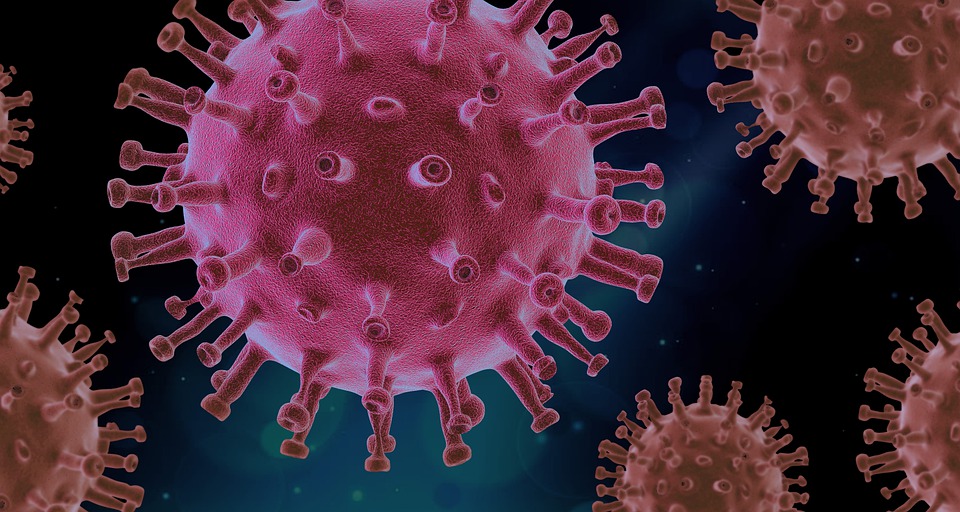
Cases of coronavirus continue to rise in many countries all over the world since its outbreak in 2019. However, as the world waits for a cure or vaccine, a scientist from Wuhan has warned that more viruses may make the jump from animals to humans.
According to Dr. Shu Zhengli, a virologist from Wuhan, China, where the virus was first reported, more similar coronaviruses may make the leap from animals to humans. Dr. Shu warned that viruses similar to COVID-19 may be found circulating amongst animals that are in South Asian countries. The virologist made these remarks while speaking at a virtual seminar hosted by French medical and veterinary schools. However, even with her warnings, Dr. Shu and her team have not found the virus in local animals or wildlife.
There has yet to be a definitive origin of the Sars-CoV-2 virus, which causes COVID-19. It is widely believed that the virus was transmitted from bats found in Wuhan; however, Dr. Shu and other scientists believe that the virus was transmitted from bats to humans through another animal. So far, pangolins have been theorized to be the missing link between the transmission of the virus from bats to humans. This is because the scales of pangolins are seen as a local delicacy and as a staple in traditional Chinese medicines.
Although Dr. Shu did not confirm that pangolins were the intermediary animal, she suggested that the virus may have been present in the animal for a while. This was also echoed by another scientist, Professor Edward Holmes of the University of Sydney, who said that it is possible that the first process of cross-transmission did not happen in Wuhan, but rather in Hubei. However, Professor Holmes noted that should it have occurred in Hubei, then there are more possible animals to test.
Meanwhile, millions of people remain infected with COVID-19, and doctors are still struggling to find a cure among existing medications until a vaccine is developed. Previously, a study by researchers from the University of Oxford looked into the possibility of a drug used to treat gout as a possible coronavirus cure. The drug, known as Colchicine, was being added to the list of medicines that are being tested as part of the university’s RECOVERY program, the biggest clinical trial for COVID-19 patients.







