


 NASA's Artemis II Crew Arrives in Florida for Historic Moon Mission
  SpaceX Pivots Toward Moon City as Musk Reframes Long-Term Space Vision
  FDA Pilot Program Eases Rules for Nicotine Pouch Makers
  SpaceX Delays Starship V3 Launch Ahead of Potential Record IPO
  Eli Lilly’s Inluriyo Gains FDA Approval for Advanced Breast Cancer Treatment
  Blue Origin’s New Glenn Achieves Breakthrough Success With First NASA Mission
  Tabletop particle accelerator could transform medicine and materials science
  Trump Administration to Launch Autism Initiatives Targeting Acetaminophen Use and New Treatment Options
  SpaceX Prioritizes Moon Mission Before Mars as Starship Development Accelerates
  Trump and Merck KGaA Partner to Slash IVF Drug Costs and Expand Fertility Coverage
  Trump Signs Executive Order to Boost AI Research in Childhood Cancer
  Blue Origin New Glenn Rocket Explodes During Launch Pad Test, Delaying Space Ambitions


 Add as a preferred source on Google
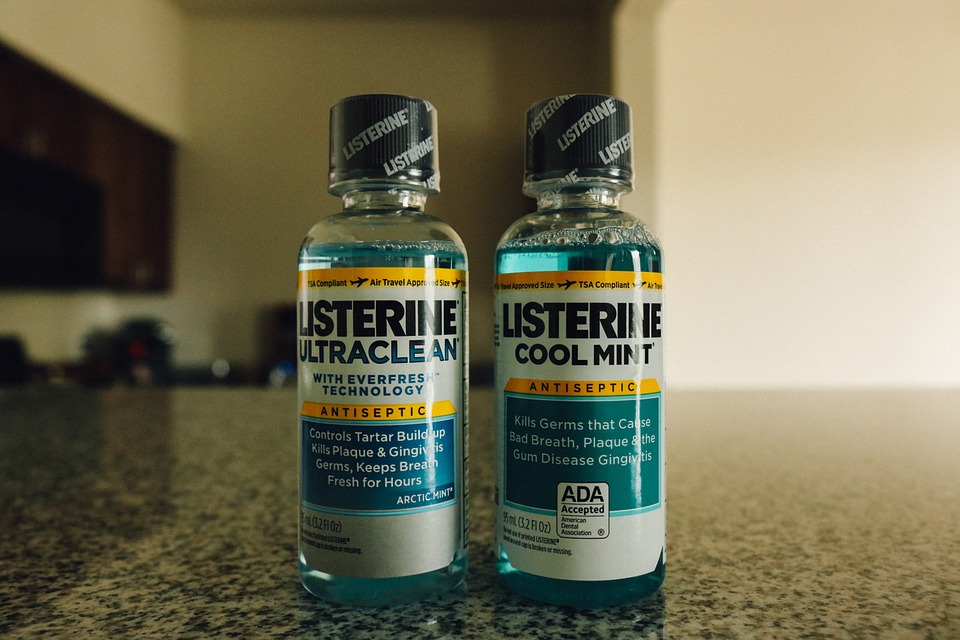
To this day there has yet to be a cure that is made widely available all over the world as firms are still undergoing more tests for a possible cure or vaccine for COVID-19. While frequent hand washing is key to prevent transmission among other guidelines, a new study suggests that mouthwash may be able to kill the virus in saliva.
A study by researchers from the University of Cardiff suggests that coronavirus in saliva may be killed by simply using mouthwash that is already available in the market. The study has yet to be peer-reviewed or published in a medical journal. Despite being able to kill the COVID-19 virus in saliva, this does not mean it would cure the person or treat the virus in the body.
These findings follow the preliminary trials in the University Hospital of Wales, which will look into how effective mouthwash can be in killing the virus in human saliva. This could potentially reduce the virus found in the saliva of COVID-19 patients. The researchers tested a few ready-made mouthwashes that contained ethanol/essential oils, cetylpyridinium chloride, and povidone-iodine. They found that three of these mouthwashes that were tested were able to kill the virus.
“This study adds to the emerging literature that several commonly available mouthwashes designed to fight gum disease can also inactivate the SARS-CoV-2 coronavirus (and other related coronaviruses) when tested in the laboratory under conditions designed to mimic the oral/nasal cavity in a test tube,” said Dr. Richard Stanton who is also the study’s lead author.
Meanwhile, the US is making progress in the development of a COVID-19 cure, with celebrity Dolly Parton being recognized as among those who donated for coronavirus cure research. Pharmaceutical company Moderna announced this week that they were already close to achieving a cure for COVID-19, revealing that their cure was proven to be 94.5 percent effective. Parton was namechecked in the preliminary reports.
The singer, under her Dolly Parton COVID-19 Research Fund, donated $1 million to the researchers at the Vanderbilt University Medical Center. When asked about her donation back in April, Parton said that her friend Dr. Naji Abumrad, a researcher at Vanderbilt, told her that they were making progress in COVID-19 cure research. Thus, Parton said, she donated to help further the research while encouraging others to donate as well.







