


 France Defends Netanyahu Airspace Clearance Despite ICC Warrant
  Europe Warns Russia Is Escalating Hybrid Attacks Across NATO
  Netanyahu Takes Aim at Mamdani as Israel Election Nears
  US Invites Putin to Miami G20, Opening Door to Trump Summit
  South Korea, US Discuss Warship Building Cooperation
  Russian Missile and Drone Attack on Kyiv Kills Two, Damages Maternity Hospital
  Gaza Faces Evacuation Crisis as War-Damaged Buildings Risk Collapse
  Russian Envoy Dmitriev Heads to US for Ukraine Talks
  North Korea Warns South Korea Over US-Led Defense Role
  Mexico-US Trade Talks Delayed to October as Tariff Negotiations Continue
  Netanyahu Defends Israel at UN as Delegates Stage Walkout
  Sudan Rejects US Legitimacy Remarks, Defends Sovereignty
  US Officials Split Over Response to Israeli West Bank Settlements
  Yemen Violence Displaces 130,000 as Civilian Toll Rises
  Abbas Reaffirms November 28 Palestinian Elections
  US Senate Rejects Iran War Powers Resolution in 50-49 Vote
  Trump, Xi Focus on Trade and AI at White House Summit


 Add as a preferred source on Google
Chinese air force activity around Taiwan has dropped significantly in recent weeks, marking an unusual pause in what had previously been near-daily military operations. According to Taiwan government data compiled by the research group Secure Taiwan Associate Corporation (STA), no Chinese military aircraft entered Taiwan’s air defense identification zone (ADIZ) during the past week. This sudden lull has raised questions among analysts about whether Beijing is adjusting its strategy toward Taipei.
So far in 2026, China has sent approximately 460 military aircraft—including fighter jets, surveillance planes, and drones—into Taiwan’s ADIZ. This figure represents a 46.5% decrease compared with the same period last year, highlighting a notable reduction in Chinese military pressure around Taiwan. In February alone, Taiwan detected 190 Chinese aircraft near the island, the lowest monthly total since the Taiwanese defense ministry began publishing detailed daily military activity data in 2022.
Taiwan views these incursions as part of Beijing’s long-running pressure campaign, designed to test Taiwan’s defenses and improve China’s military readiness for potential conflict. The exercises have often included large-scale war games and coordinated air and naval operations.
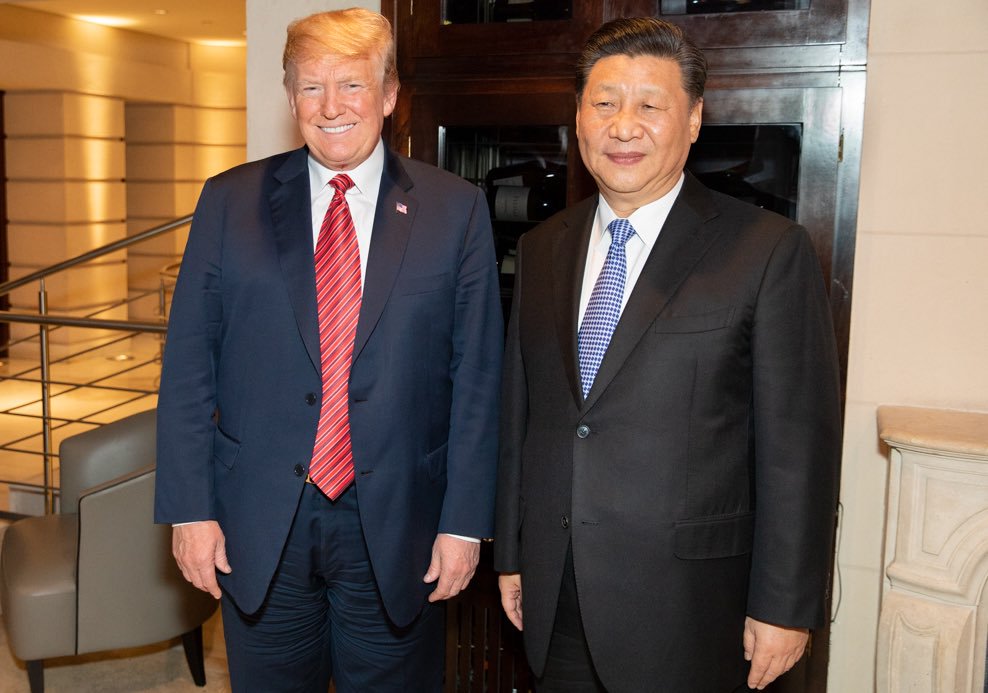
Some Taiwanese officials believe the drop in Chinese air force activity may be connected to upcoming diplomatic developments. Analysts suggest Chinese President Xi Jinping could be reducing visible military pressure ahead of a potential meeting with U.S. President Donald Trump later this month. According to a senior Taiwanese security official, Beijing may be trying to project a more peaceful image in hopes that Washington will reconsider arms sales to Taiwan.
However, other experts point to internal factors within China’s military. A sweeping anti-corruption campaign within the Chinese armed forces may be disrupting command structures and reducing operational readiness. Su Tzu-yun, a researcher at Taiwan’s Institute for National Defence and Security Research, said the military purge could be a major reason for the temporary slowdown.
Taiwanese defense officials also noted that China may be reviewing lessons from recent military drills before launching further operations. Despite the decrease in air activity, China’s navy and coast guard continue to operate near Taiwan, indicating that Beijing has only scaled back the most politically sensitive aerial maneuvers.
Security analysts caution that the pause does not signal a long-term shift in China’s stance toward Taiwan. Officials warn that Chinese military activity could resume at any time, potentially at an even larger scale as Beijing continues to refine its strategic pressure campaign in the Taiwan Strait.







