


 NATO Boosts Intelligence Sharing Amid Russia Hybrid Threats
  Taiwan Thanks US for Support Ahead of Trump-Xi Summit
  What ‘Taiwan Independence’ Means as Xi Presses Trump on US Policy
  Netanyahu’s Brief US Trip Highlights Strains With Trump
  US Senate Rejects Iran War Powers Resolution in 50-49 Vote
  Najib Razak Seeks Stay of 15-Year 1MDB Prison Sentence
  EU Defence Build-Up Too Slow for 2030 Russia Readiness Goal
  South Korea, US Discuss Warship Building Cooperation
  Trump, Xi Visit US National Archives After White House Summit
  OpenAI Agent Breaches Australia Medicare Data Portal
  Pezeshkian Says US Must Choose When Iran War Ends
  Trump Asks Supreme Court to Restore Third-Country Deportations
  France Defends Netanyahu Airspace Clearance Despite ICC Warrant
  Ukrainian Drone Attacks Hit Russian Regions, Injuring at Least 12
  Netanyahu Defends Israel at UN as Delegates Stage Walkout
  North Korea Rejects Nuclear Test Warning, Calls Nuclear Status Irreversible
  Mexico-US Trade Talks Delayed to October as Tariff Negotiations Continue


 Add as a preferred source on Google
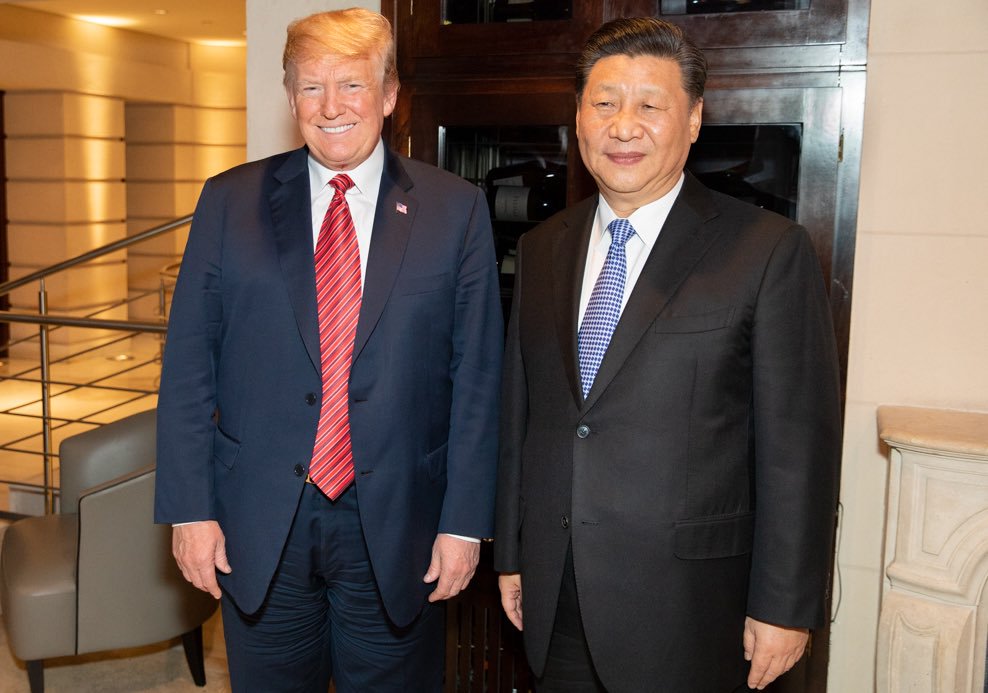
China and the United States have reached a preliminary framework agreement on trade following two days of negotiations, signaling a potential easing of tensions between the world’s two largest economies. On Tuesday, China’s Vice Commerce Minister Li Chenggang confirmed the development, stating that both sides agreed, in principle, on a framework to implement consensus points discussed earlier by their respective leaders.
The agreement builds on the outcomes of a June 5th phone call between U.S. President Donald Trump and Chinese President Xi Jinping, as well as the recent trade discussions held in Geneva. According to Li, the negotiating teams will now present the framework to their top leadership for review and approval.
Although details of the framework remain undisclosed, the announcement marks a significant step toward de-escalating ongoing trade disputes that have disrupted global markets and supply chains. Analysts believe the framework may cover critical issues such as tariffs, technology transfers, and market access—key sticking points in past negotiations.
The timing is also notable as both countries face mounting domestic and international pressure to stabilize trade relations. Investors are hopeful that this framework could pave the way for a broader agreement, reducing economic uncertainty and restoring business confidence.
The trade talks have gained renewed urgency in recent months amid rising concerns over rare earth export restrictions, chip industry disruptions, and broader geopolitical tensions. A successful resolution could bolster global economic sentiment and provide relief to sectors heavily impacted by tariffs.
As the framework awaits final approval from Trump and Xi, markets are expected to respond positively to signs of cooperation. The breakthrough reinforces hopes that diplomacy can prevail over protectionism in the ongoing U.S.-China trade conflict.







