


 Bank of England Expected to Hold Interest Rates at 3.75% as Inflation Remains Elevated
  Trump’s Inflation Claims Clash With Voters’ Cost-of-Living Reality
  Trump Endorses Japan’s Sanae Takaichi Ahead of Crucial Election Amid Market and China Tensions
  China Extends Gold Buying Streak as Reserves Surge Despite Volatile Prices
  Why Trump’s new pick for Fed chair hit gold and silver markets – for good reasons
  U.S. Stock Futures Slide as Tech Rout Deepens on Amazon Capex Shock
  ECB’s Cipollone Backs Digital Euro as Europe Pushes for Payment System Independence
  RBI Holds Repo Rate at 5.25% as India’s Growth Outlook Strengthens After U.S. Trade Deal
  South Korea’s Weak Won Struggles as Retail Investors Pour Money Into U.S. Stocks
  Oil Prices Slide on US-Iran Talks, Dollar Strength and Profit-Taking Pressure
  Russian Stocks End Mixed as MOEX Index Closes Flat Amid Commodity Strength
  Fed Confirms Rate Meeting Schedule Despite Severe Winter Storm in Washington D.C.


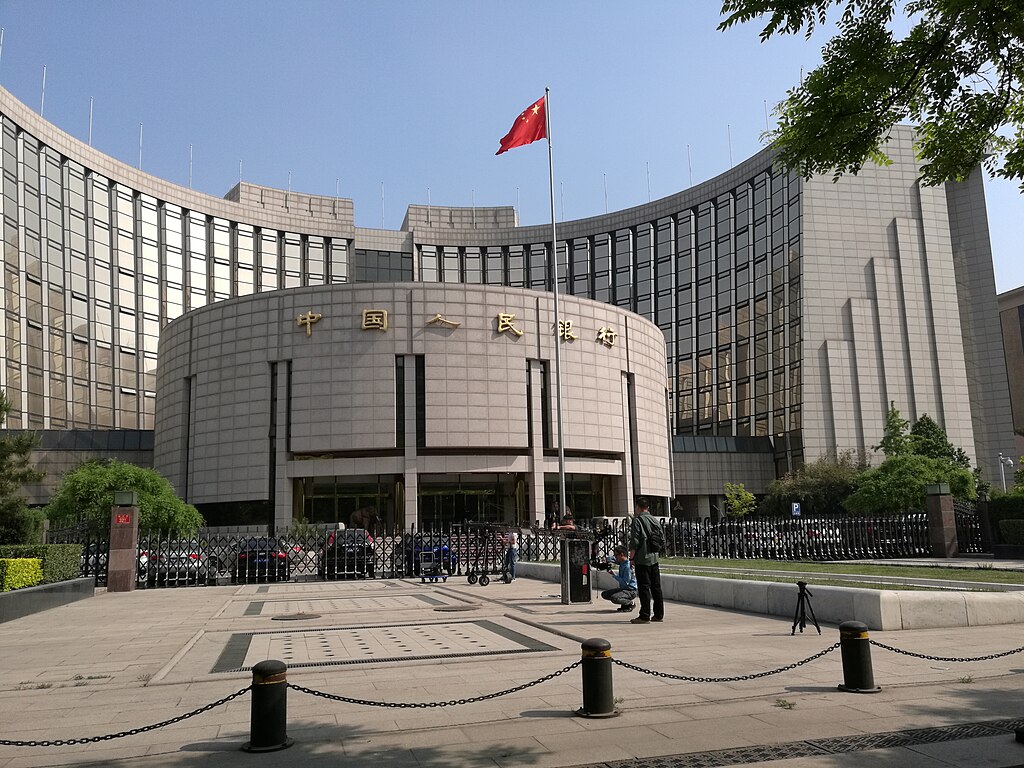
The People’s Bank of China (PBOC) held its benchmark loan prime rate (LPR) steady on Monday, maintaining a cautious stance as U.S.-China trade tensions intensified. The decision aligns with market expectations, as Beijing continues balancing economic stability with external pressure from Washington.
The PBOC kept the one-year LPR at 3.0% and the five-year LPR, a key benchmark for mortgage rates, at 3.50%. Both rates remain at record lows, signaling that China is committed to sustaining an accommodative monetary policy to counter persistent disinflation and sluggish domestic demand. The LPR, calculated using input from 18 major commercial banks, serves as the foundation for most lending and mortgage rates across the country.
Analysts widely anticipated the rate hold, citing Beijing’s desire to maintain policy flexibility amid geopolitical uncertainty. Recent threats from U.S. President Donald Trump to impose 100% tariffs on Chinese imports have added to market jitters, although he later softened his stance. China has indicated it is prepared to respond firmly if trade tensions escalate further.
Despite the central bank’s efforts, China’s economy continues to face headwinds. Recent data show weakening manufacturing activity, sluggish consumer spending, and continued disinflation — all weighing on growth momentum in the world’s second-largest economy. Economists believe that Beijing will likely roll out additional monetary and fiscal support measures in the coming months to bolster recovery and restore confidence.
By maintaining record-low interest rates, the PBOC aims to support lending, stimulate investment, and stabilize growth amid global uncertainty. However, policymakers are treading carefully to avoid financial risks while steering the economy through a challenging external environment.













