


 South Korea Assures U.S. on Trade Deal Commitments Amid Tariff Concerns
  Dollar Steadies Ahead of ECB and BoE Decisions as Markets Turn Risk-Off
  BOJ Holds Interest Rates Steady, Upgrades Growth and Inflation Outlook for Japan
  Oil Prices Slide on US-Iran Talks, Dollar Strength and Profit-Taking Pressure
  Bank of England Expected to Hold Interest Rates at 3.75% as Inflation Remains Elevated
  South Africa Eyes ECB Repo Lines as Inflation Eases and Rate Cuts Loom
  RBI Holds Repo Rate at 5.25% as India’s Growth Outlook Strengthens After U.S. Trade Deal
  Gold and Silver Prices Rebound After Volatile Week Triggered by Fed Nomination
  U.S.-India Trade Framework Signals Major Shift in Tariffs, Energy, and Supply Chains
  ECB’s Cipollone Backs Digital Euro as Europe Pushes for Payment System Independence
  Russian Stocks End Mixed as MOEX Index Closes Flat Amid Commodity Strength
  Japanese Pharmaceutical Stocks Slide as TrumpRx.gov Launch Sparks Market Concerns
  China Extends Gold Buying Streak as Reserves Surge Despite Volatile Prices


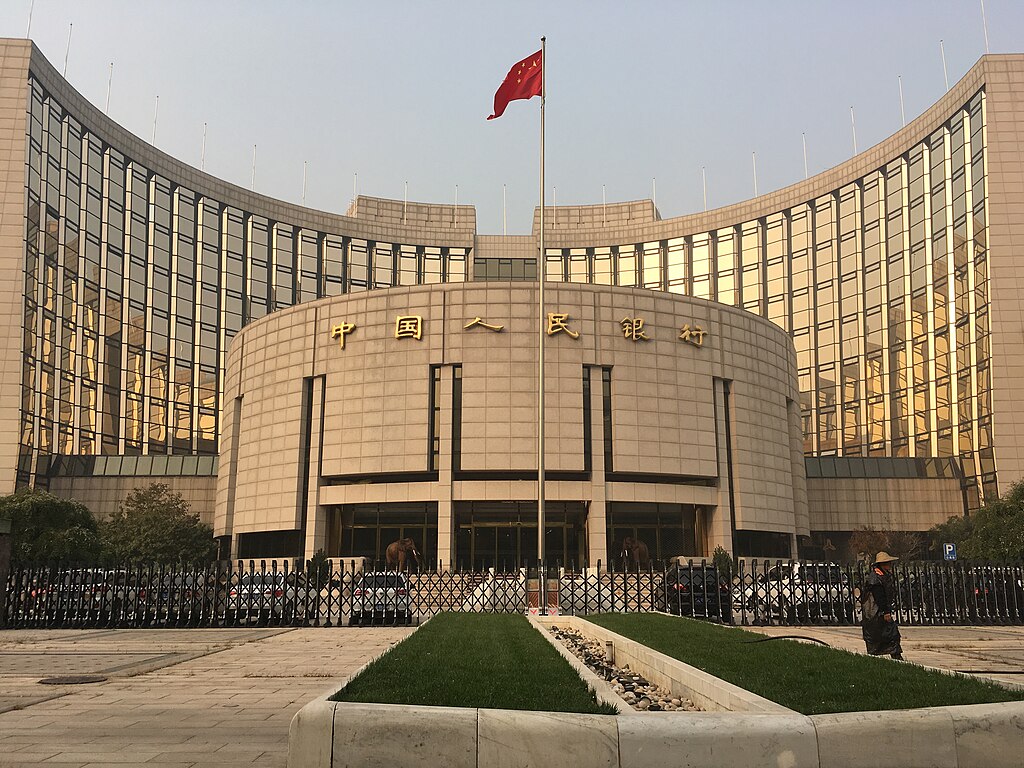
China’s central bank has announced its first reserve requirement ratio (RRR) cut of 2025 to bolster the economy amid intensifying trade tensions with the United States. People's Bank of China (PBOC) Governor Pan Gongsheng said Wednesday the RRR will be lowered by 50 basis points, a move expected to inject approximately 1 trillion yuan ($138 billion) in liquidity into the financial system.
The decision comes as China faces mounting economic pressure following U.S. President Donald Trump’s latest round of aggressive tariffs on Chinese goods, some reportedly reaching triple digits. In response, Beijing is stepping up monetary support to stabilize growth and ease credit conditions for businesses.
The PBOC's action aligns with earlier commitments made at a key government meeting in late April, where Chinese officials pledged to adjust the RRR “in a timely manner” to counter external challenges and stimulate domestic demand. Analysts view the cut as a signal that Beijing is prioritizing economic resilience in the face of geopolitical uncertainty.
The liquidity boost is aimed at enhancing banks’ lending capacity, supporting small and medium-sized enterprises, and maintaining overall financial stability. While China's economy has shown signs of slowing, policymakers have been cautious about aggressive stimulus, opting instead for targeted tools like RRR adjustments to fine-tune monetary conditions.
This move also reflects broader efforts by Chinese authorities to manage the fallout from the ongoing U.S.-China trade war, which continues to disrupt global supply chains and weigh on investor sentiment. As the conflict deepens, market watchers expect further policy easing measures in the months ahead.
The PBOC’s latest intervention underscores China’s commitment to sustaining growth amid external shocks, with liquidity support emerging as a key lever in its economic strategy.













