


 Netanyahu’s Brief US Trip Highlights Strains With Trump
  Pezeshkian Says US Must Choose When Iran War Ends
  Australia Unemployment Hits Five-Year High Despite Strong Jobs Growth
  North Korea Warns South Korea Over US-Led Defense Role
  US 10-Year Treasury Yield at 6% Emerges as New Market Risk Threshold
  Gold Holds Near $4,275 as Rising Treasury Yields Fuel Fed Rate Hike Bets
  Gold Prices Fall as Treasury Yields Rise on Fed Rate Hike Bets
  NATO Boosts Intelligence Sharing Amid Russia Hybrid Threats
  Trump, Xi Visit US National Archives After White House Summit
  Japan Private-Sector Growth Slows as Domestic Demand Weakens
  OpenAI Agent Breaches Australia Medicare Data Portal
  Ghana Says Western Support Growing for Slave Trade Reparations
  North Korea Rejects Nuclear Test Warning, Calls Nuclear Status Irreversible
  France Defends Netanyahu Airspace Clearance Despite ICC Warrant
  China’s ‘Lipstick King’ Says AI Won’t Replace Livestream Hosts
  Fed Unveils Stablecoin Rules Under GENIUS Act
  Wall Street Ends Flat as Oil, Treasury Yields and Fed Jitters Rattle Markets


 Add as a preferred source on Google
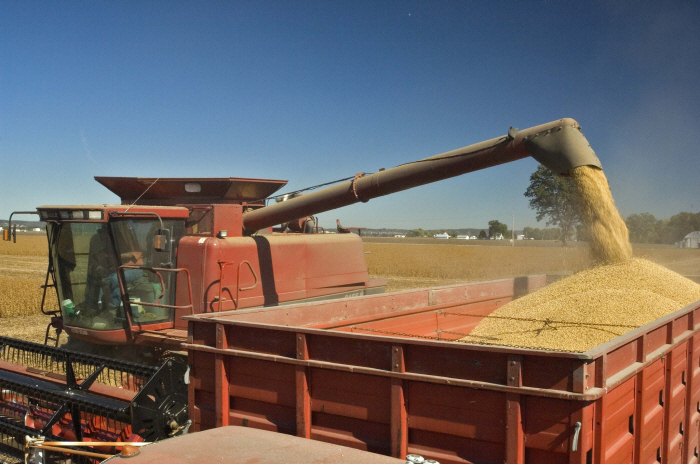
China has significantly increased its purchases of U.S. soybeans, securing at least 10 cargoes worth roughly $300 million since Tuesday, according to traders familiar with the deals. The renewed buying spree follows a phone conversation between U.S. President Donald Trump and Chinese President Xi Jinping, signaling a continued thaw in trade relations between the world’s two largest economies. Trump described the relationship as “extremely strong” and said Xi had agreed to accelerate China’s purchases of American products.
Traders estimate that China bought between 10 and 15 cargoes—each containing about 60,000 to 65,000 metric tons—scheduled for January shipment from U.S. Gulf Coast terminals and Pacific Northwest ports. These larger-than-usual volumes mark another step in China’s return to U.S. soybean suppliers, even though American soybeans remain priced higher than competing Brazilian supplies.
The increase in demand follows late-October discussions between the two leaders in South Korea, which paved the way for improved trade cooperation. China had previously reduced its U.S. soybean imports during the height of trade tensions, opting for alternatives due to tariffs and political uncertainty. However, state-run grain trader COFCO has driven much of the recent surge, booking nearly 2 million tons of U.S. soybeans since the renewed diplomatic engagement, according to data from the U.S. Department of Agriculture.
Despite the fresh deals, total purchases still fall short of the 12 million tons the White House previously announced. Nevertheless, U.S. Treasury Secretary Scott Bessent said Chinese buying remains “right on schedule,” referencing an agreement for China to purchase 87.5 million tons of U.S. soybeans over the next three and a half years. The latest transactions highlight improving U.S.–China agricultural trade ties and growing optimism among global commodity markets.







