


 US Comfortable With Canada Trade Standoff as Import Bans Loom
  Trump, Xi Visit US National Archives After White House Summit
  Gold Holds Near $4,275 as Rising Treasury Yields Fuel Fed Rate Hike Bets
  Iran Rejects Nuclear Concessions in Hormuz Deal
  Evan Gershkovich Says FSB Set Trap for 2023 Russia Arrest
  China Agrees to Buy 20 Million Tons of U.S. Coal
  U.S. Treasury Yields Surge as 30-Year Hits 22-Year High
  Asian Stocks Fall as Bond Yields Surge Ahead of Trump-Xi Summit
  South Africa Seeks US Talks Despite Visa Restrictions
  Pope Leo Backs Press Freedom After White House Media Ban
  Asian Currencies Mixed as Dollar Holds Near Two-Month High
  North Korea Warns South Korea Over US-Led Defense Role
  Colombia Extradites FARC Dissident Leader ‘Spider’ to US
  Soybean Futures Slip as Traders Await Trump-Xi Trade Signals
  Trump Asks Supreme Court to Restore Third-Country Deportations


 Add as a preferred source on Google
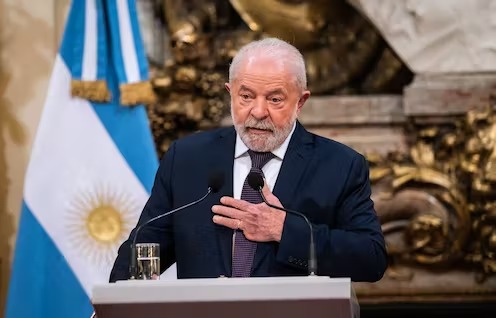
Brazil’s Chamber of Deputies and Senate delivered President Luiz Inácio Lula da Silva a stinging defeat on Wednesday, canceling his decree to raise the Imposto sobre Operações Financeiras (IOF) on credit, foreign-exchange, and private pension transactions. The rollback wipes out an expected 61.5 billion reais (≈ $11 billion) in additional revenue through 2026 and deepens the tussle over how to balance public finances without derailing growth.
Unveiled in late May, the higher IOF targeted corporate loans, foreign-currency card spending, and some overseas investments, immediately drawing fire for resembling capital controls. A watered-down version introduced this month cut rates but still hit corporate borrowing, FX deals, and pension funds. Lawmakers rejected both versions in one swift vote, reinstating the prior IOF schedule and signaling that new taxes will struggle without parallel cost controls.
Lula has ramped up social-program spending while vowing to honor Brazil’s fiscal framework, which limits annual outlays and deficit growth. Yet cornerstone proposals—spending cuts, subsidy rollbacks, and selective budget freezes—have stalled in a fragmented Congress as the president’s approval ratings sag ahead of the 2026 election. The administration now faces three options: appeal to the Supreme Court, craft alternative revenue streams, or impose deeper spending curbs to meet fiscal rules.
Congressional leaders insist no fresh expenditure will pass without credible austerity, underscoring the high political stakes. The clash highlights Brazil’s broader economic dilemma: stimulating social investment while safeguarding investor confidence through disciplined, transparent fiscal policy.







