


 China Reviews Broadcom Switch Use in State Data Centres
  OpenAI Agent Breaches Australia Medicare Data Portal
  Russian Envoy Dmitriev Heads to US for Ukraine Talks
  Trump Scales Back Endangered Species Act Protections
  Trump Says ‘Freedom’ Is Coming to Cuba
  FDA Names Permanent Drug and Biologics Center Chiefs
  Judge Orders Trump to Restore White House Access for CNN, MS NOW and Politico
  Trump Administration Removes Confederate Memorial Criticism From Arlington Website
  ICE Agent Arrested in Minneapolis Over Venezuelan Man Shooting
  Europe Warns Russia Is Escalating Hybrid Attacks Across NATO
  Iran Vows ‘Crushing’ Response as US Talks Continue
  US Northeast Airports Resume Operations After Telecom Outage Disrupts Thousands of Flights
  Marco Rubio to Meet Russia’s Lavrov in New York
  Gaza Faces Evacuation Crisis as War-Damaged Buildings Risk Collapse
  Kremlin Says No Grounds Yet for Ukraine Peace Talks
  Saudi Arabia Shuts East-West Oil Pipeline After Drone Attack
  White House Bars CNN, MS NOW and Politico Reporters


 Add as a preferred source on Google
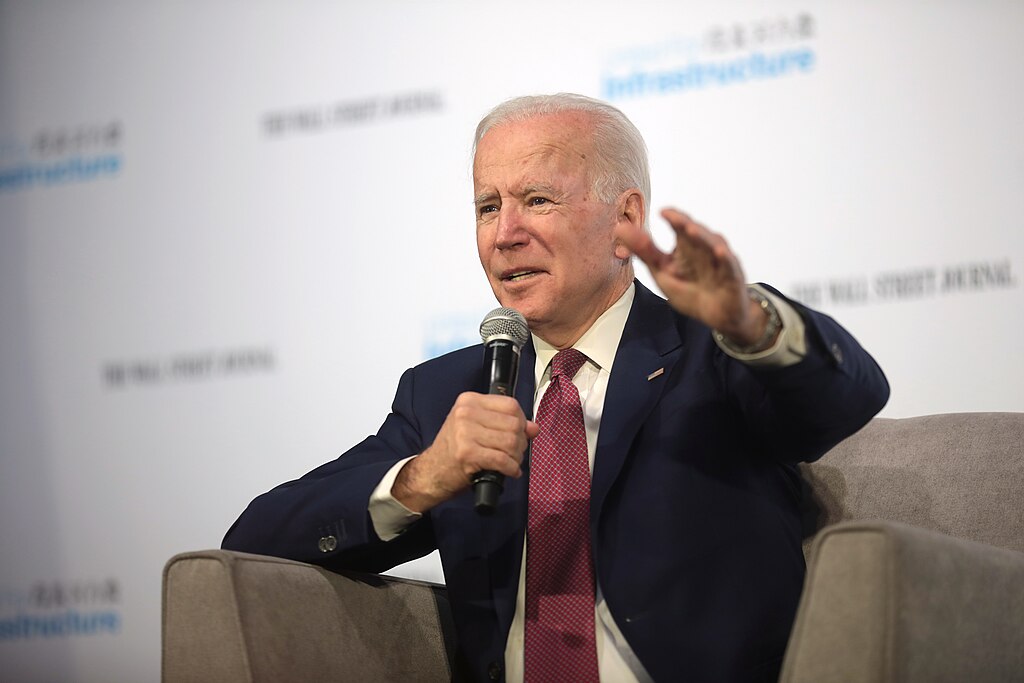
U.S. Transportation Secretary Sean Duffy has officially repealed landmark fuel economy standards established under President Joe Biden, marking a significant shift in the nation’s automotive and energy policies. The directive, signed Tuesday, instructs regulators to roll back stringent fuel efficiency targets designed to reduce gasoline consumption and curb carbon emissions.
The Biden administration’s regulations aimed to accelerate the transition to electric vehicles (EVs) by imposing stricter fuel economy requirements on automakers. These rules, initially set by the National Highway Traffic Safety Administration (NHTSA), sought to significantly cut fuel use for cars and trucks over the next decade. However, critics, including Duffy and industry leaders, argue the mandates placed an undue burden on manufacturers and limited consumer choice.
Duffy emphasized the need for a balanced approach, stating that the rollback ensures "market-driven solutions" and protects jobs in the automotive sector. The decision aligns with broader efforts by the new administration to support domestic energy production and reduce regulatory constraints on traditional fuel-powered vehicles.
Environmental groups and clean energy advocates have strongly opposed the move, warning that weakening fuel standards could hinder progress in reducing greenhouse gas emissions and slow EV adoption. Meanwhile, automakers have expressed mixed reactions, with some welcoming regulatory relief while others remain committed to long-term electrification goals.
The rollback is expected to spark legal battles as environmental organizations and pro-EV states prepare to challenge the decision. As the U.S. navigates the evolving landscape of transportation policy, the debate over fuel efficiency and emissions regulations is set to intensify.







